Malta becomes first country to offer ChatGPT Plus access through national AI literacy plan
The OpenAI partnership will give eligible residents, citizens, and Maltese citizens abroad one year of ChatGPT Plus after completing a course designed by the University of Malta.

Malta maps national AI rollout with ChatGPT Plus access
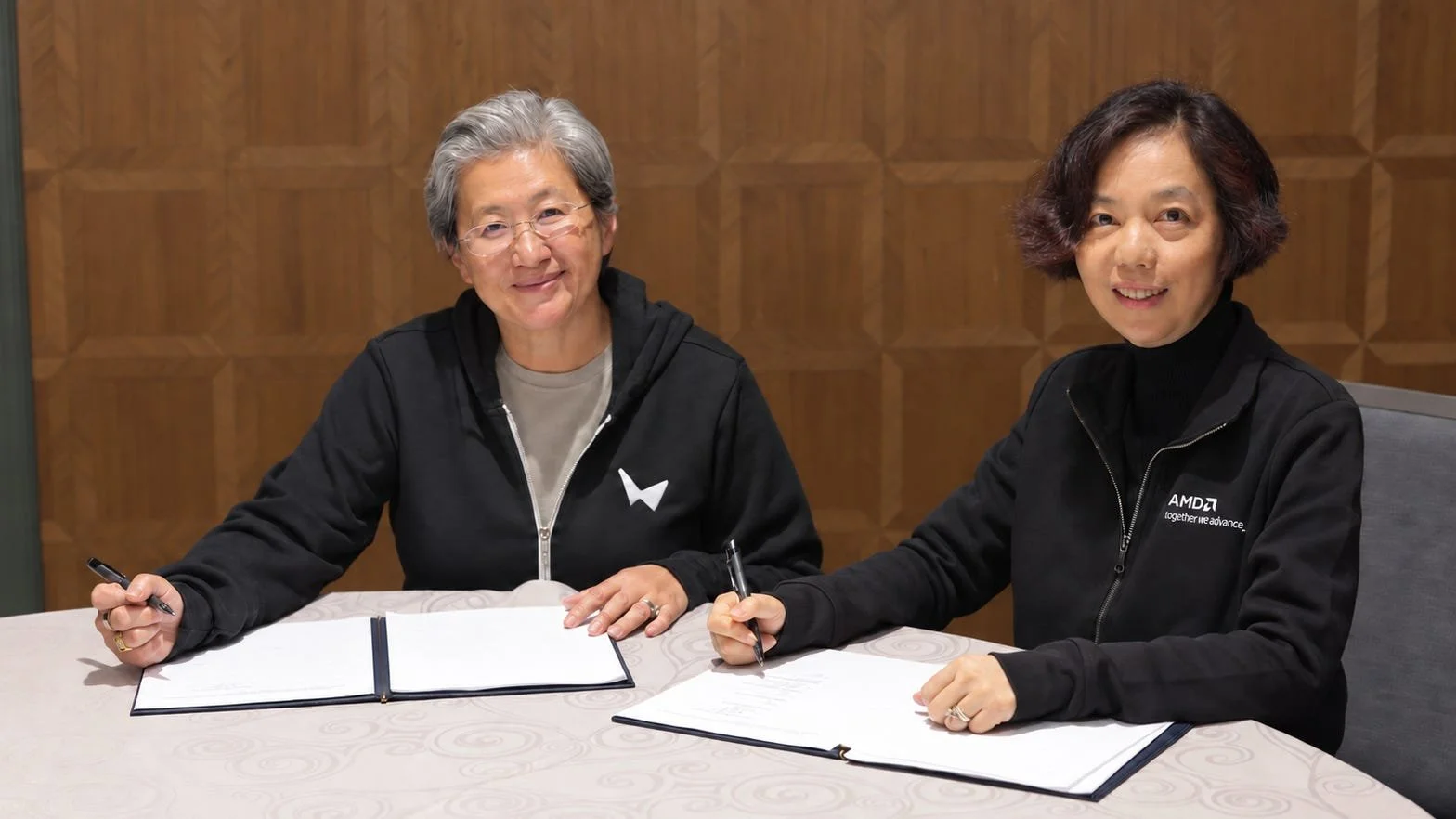
OpenAI and the Government of Malta have signed a partnership to make ChatGPT Plus available for one year to eligible residents and citizens who complete a national AI literacy course.
The agreement, described by OpenAI as a world first, sits within Malta’s AI for All initiative and brings together OpenAI, the University of Malta, and the Malta Digital Innovation Authority. The program will give eligible participants access to a course covering what AI can and cannot do, how to use it responsibly, and how the technology can support tasks at home, in education, and at work.
The first phase will launch in May, with the Malta Digital Innovation Authority managing distribution. The program will scale as more Maltese residents and citizens abroad complete the course.
Course completion unlocks ChatGPT Plus access
Malta’s AI for All course was developed by the University of Malta and will be available in English and Maltese. OpenAI said the course was designed to help people understand AI’s capabilities, limitations, and responsible use.
After completing the course, eligible participants will receive free access to ChatGPT Plus for one year. The approach links tool access to AI literacy, rather than giving out subscriptions without training.
Silvio Schembri, Maltese Minister for Economy, Enterprise and Strategic Projects, said: "Through this AI for everyone course we are making sure that every citizen, regardless of their background, has the chance to build the confidence and skills needed to thrive in a digital world. By pairing this education with free access to the most advanced digital tools available today, we are turning an unfamiliar concept into practical assistance for our families, students, and workers.
"Malta is the first country to launch a partnership of this scale because we refuse to let our citizens stay behind in the digital age. We are putting our people at the very forefront of global change."
The program covers Maltese citizens abroad as well as eligible residents and citizens in Malta.
OpenAI for Countries expands national AI work
The Malta partnership is part of OpenAI for Countries, the company’s program for working with governments and institutions on national AI adoption.
Former UK Chancellor, George Osborne, Head of OpenAI for Countries, posted on LinkedIn that Malta was "leading Europe and the globe in bringing AI to all its people." He described the agreement as "a first for the world" and said the course was built around practical, real-world applications.
OpenAI framed the agreement as part of its wider view that intelligence was becoming a public infrastructure layer.
Osborne said: "With this partnership, Malta is leading Europe and the world in bringing AI to all its citizens."
He added: "Intelligence is becoming a national utility and all governments have an important role to play in making sure their populations have both the access and the skills to make the most of AI. So I congratulate the Maltese authorities for their vision and ambition on behalf of their people. This is exactly the kind of strategic initiative that will speed AI adoption and bring the benefits of this transformative technology to the economy and the everyday lives of people. Where Malta leads, I hope others will follow."
OpenAI said its work through OpenAI for Countries was tailored to local priorities, including education, workforce training, public services, startup support, and AI literacy. The company said it was already working with governments in countries including Estonia and Greece to support national education systems.
In his LinkedIn post, Osborne linked the rollout to everyday use cases, including a student understanding a hard concept, a worker moving faster, a parent reclaiming time, and a small business owner developing an idea.