Anthropic puts Claude into education and workforce programs through $200 million Gates Foundation deal

Anthropic and the Gates Foundation have announced a $200 million partnership covering AI tools for education, health, and economic mobility
Anthropic and the Gates Foundation have agreed a $200 million partnership that will put Claude into education, health, and workforce programs in the United States and international markets over the next four years.
The commitment includes grant funding, Claude usage credits, and technical support for programs covering global health, life sciences, K-12 education, agriculture, and economic mobility. The education strand will put Claude into tools used for K-12 tutoring, college advising, curriculum design, literacy, numeracy, and career guidance, while also funding public benchmarks designed to test whether those tools work before they scale.
The partnership also gives Anthropic a larger role in the development of AI evaluation infrastructure, with the company planning to create benchmarks, datasets, and knowledge graphs that can be released as public goods.
Claude to be used in K-12 tutoring and advising
Anthropic says the education strand of the partnership will focus on K-12 students in the US, sub-Saharan Africa, and India.
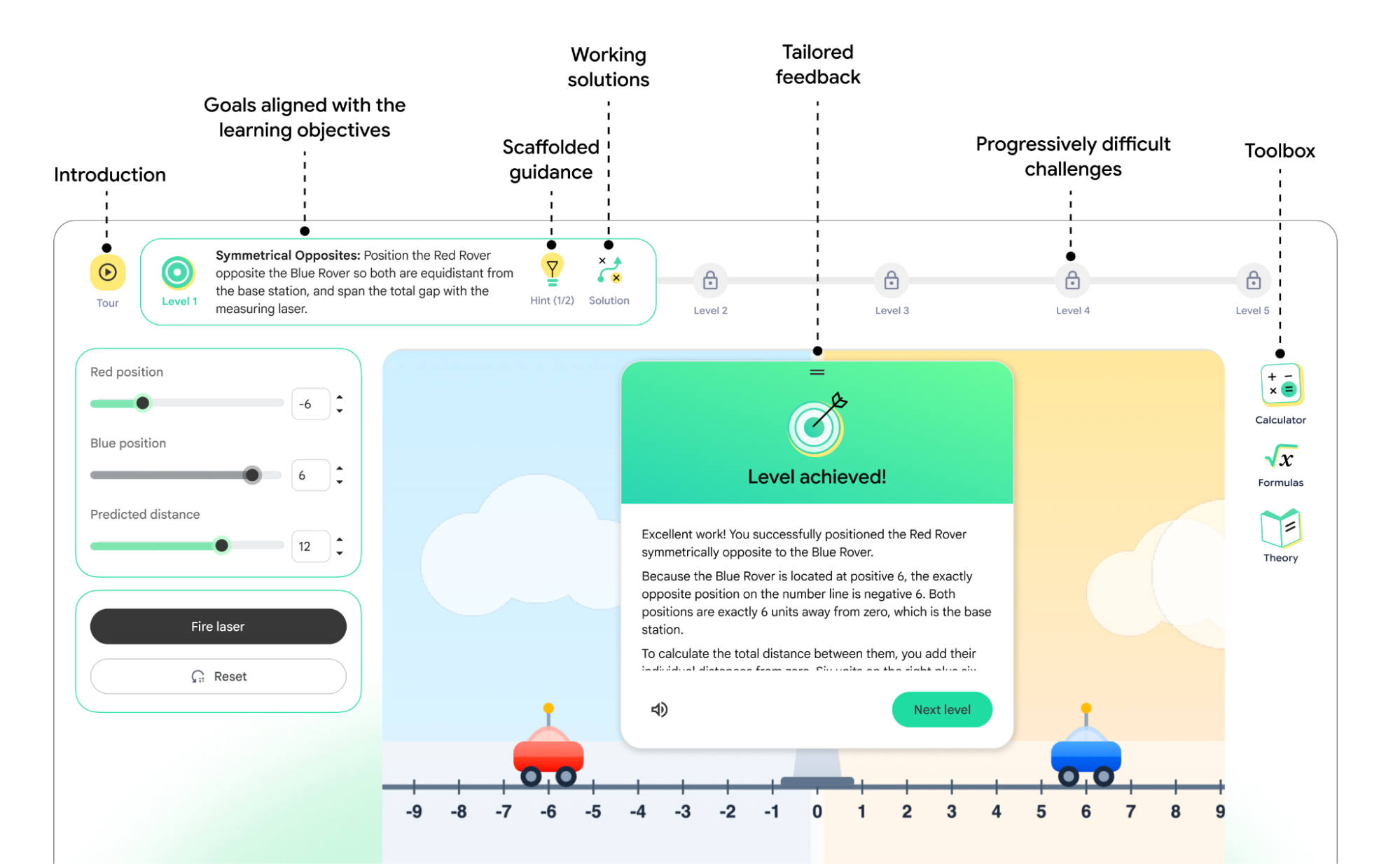
In the US, Claude will power tools for evidence-based tutoring, as well as career guidance for students moving toward the workforce. The partnership will also support AI tools for math tutoring, college advising, and curriculum design, with the first public goods due to be released later this year.
In sub-Saharan Africa and India, Anthropic and the Gates Foundation are working on AI-powered apps to support foundational literacy and numeracy programs. The work has started through the Global AI for Learning Alliance, known as GAILA, alongside other partners.
The focus on benchmarks and datasets is likely to be watched closely by education institutions and EdTech developers. As AI tutoring tools move further into schools, the sector is still dealing with questions around evidence, quality, safety, and whether systems can show learning value beyond engagement.
Health work takes the largest share
The education plans sit within a wider partnership where global health and life sciences will receive the largest share of activity.
Anthropic says the health work will focus on low- and middle-income countries, where around 4.6 billion people lack access to essential health services. The company will work with the Gates Foundation and partners on programs linked to vaccine development, therapy discovery, health data, and decision-making by governments and frontline health workers.
Part of the work will involve developing connectors that give Claude access to other platforms and tools, alongside benchmarks and evaluation frameworks for healthcare-related AI tasks.
The partnership will also use Claude for research on high-burden and neglected diseases, starting with polio, human papillomavirus, and eclampsia and preeclampsia. Anthropic says Claude is already used by scientists to identify patterns in systematic reviews and large datasets, as well as to screen potential drug and vaccine candidates.
The company will also work with the Institute for Disease Modeling, a research group within the Gates Foundation, to make disease forecasts easier for practitioners and researchers who are not modeling specialists to use.
Economic mobility work links skills, jobs, and outcomes
The economic mobility strand moves the partnership into workforce skills and employment data.
In the US, Anthropic says the work will cover portable records of skills and certifications that can move across schools and jobs, career guidance for people entering the labor market or retraining, and tools that link training program data to employment outcomes.
Rather than focusing only on AI content or tutoring, the work includes records, guidance, and outcome measurement across education and employment pathways.
The partnership will also support agriculture-focused AI work tied to the Gates Foundation’s work with smallholder farmers. Anthropic says this will include agriculture-specific improvements to Claude, local crop datasets, and benchmarks to evaluate model performance in agricultural applications.
Anthropic says the work will be led by its Beneficial Deployments team, which provides Claude credits and engineering support to partners. The team also develops AI-related public goods, including public health datasets and evaluation benchmarks, and offers discounted Claude access to nonprofits and education institutions.
The first education-related benchmarks, datasets, and knowledge graphs are expected later this year.