Australia signs AI safety agreement with Anthropic as research and skills investment expands
New agreement signals closer alignment between government and AI developers, with funding directed at research, workforce skills, and national infrastructure planning.

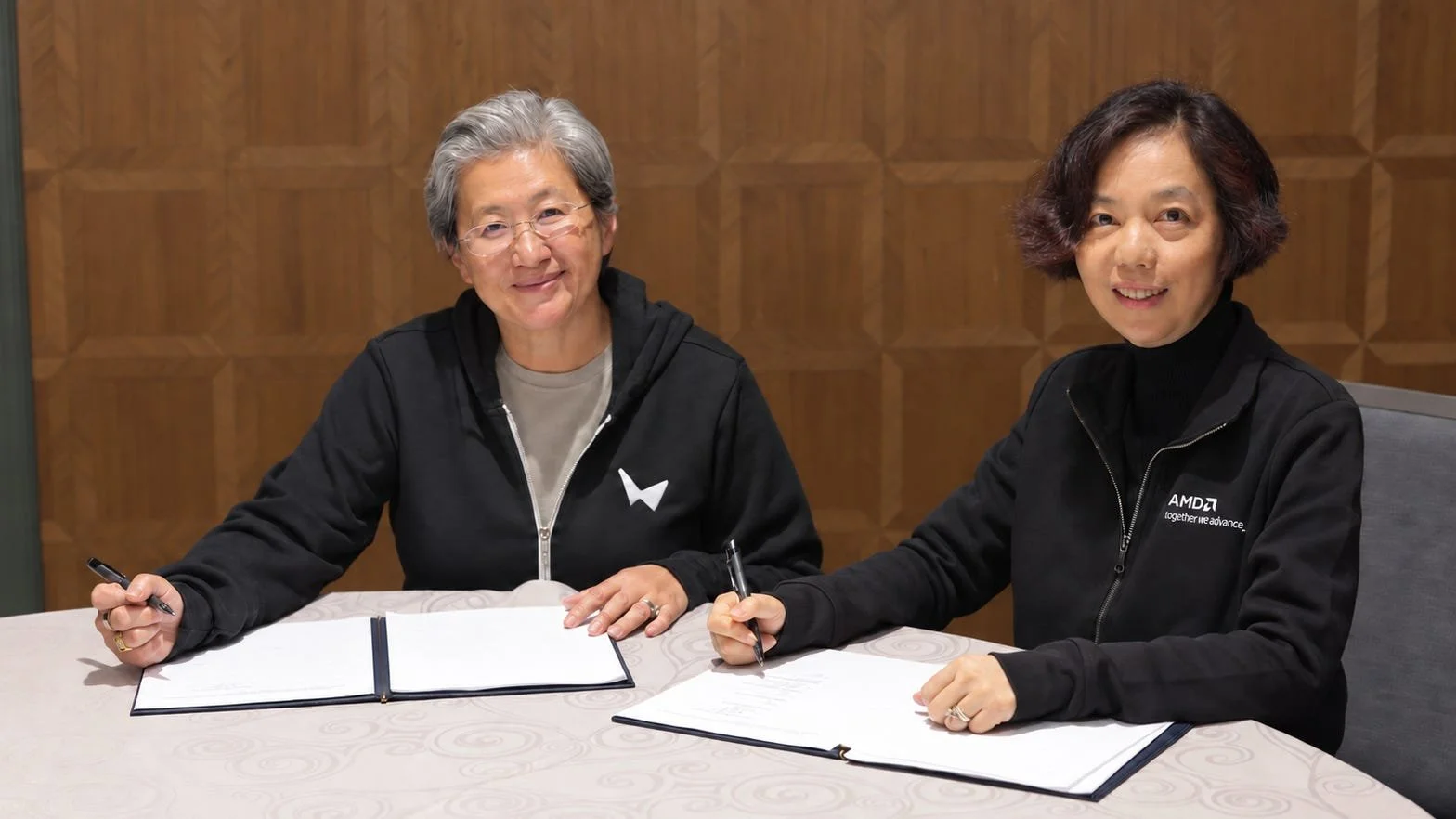
The Australian government and Anthropic have signed a Memorandum of Understanding (MOU) focused on AI safety, research collaboration, and workforce development, marking a deeper alignment between public policy and frontier AI development.
The agreement, formalized during a meeting between Anthropic CEO Dario Amodei and Prime Minister Anthony Albanese in Canberra, sets out plans for joint safety evaluations, economic impact tracking, and expanded research partnerships. It also includes AUD$3 million in funding to support AI-driven research across Australian institutions.
AI safety and economic impact move into focus
A core element of the MOU is collaboration with Australia’s AI Safety Institute, where Anthropic will share insights into emerging model capabilities and risks. The agreement also outlines joint safety and security evaluations, alongside research collaboration with academic institutions.
Anthropic will provide data from its Economic Index to help the government monitor AI adoption across key sectors, including healthcare, agriculture, natural resources, and financial services. The aim is to better understand productivity gains, workforce impact, and how AI is being applied in practice.
The agreement also references workforce development, with both parties exploring approaches to expand AI education and training as adoption increases.
“Australia’s investment in AI safety makes it a natural partner for responsible AI development. This MOU gives our collaboration a formal foundation,” says Anthropic CEO Dario Amodei. “ I'm particularly excited by the work Australian research institutions will be doing with Claude to advance disease diagnosis and treatment."
Research partnerships target healthcare and computing education
Anthropic has committed AUD$3 million in Claude API credits to four institutions as part of its AI for Science program expansion into Australia. The funding supports work across clinical genomics, pediatric research, and computing education.
At the Australian National University, researchers are using Claude to analyze genetic sequencing data linked to rare diseases, while computing programs are integrating the technology into teaching.
The Garvan Institute of Medical Research is applying Claude across two projects focused on translating genetic variation into disease insights and automating analysis for rare condition diagnosis. Work is also underway with the Centre for Population Genomics and the Murdoch Children’s Research Institute, including applications in stem cell research and childhood heart disease.
Curtin University’s data science institute is using Claude across multidisciplinary research, spanning health sciences, law, engineering, and business.
Startup support and infrastructure plans signal longer-term strategy
Anthropic has also launched a startup API credit program in Australia, offering up to USD$50,000 in credits to venture-backed companies working in areas such as drug discovery, climate modeling, and medical diagnostics.
Alongside research and startup activity, the MOU includes plans to explore investment in data center infrastructure and energy systems, aligned with the government’s expectations for AI infrastructure development.
The agreement is positioned as a framework for collaboration rather than a binding commitment, with both parties able to pursue additional partnerships and initiatives over time. It also does not provide Anthropic with preferential access to government procurement or funding programs.
The move signals Australia’s intent to play a more active role in shaping how AI is developed, deployed, and governed, while linking safety, skills, and economic impact into a single policy direction.