OpenAI’s Small Business Jam shows how AI literacy translates into real-world gains
A new after-action report from OpenAI Academy outlines how hands-on, workflow-led AI training helped small business owners apply generative AI to everyday operations.

OpenAI has published a detailed after-action report on its 2025 Small Business Jam, setting out how hands-on, mentor-supported AI training helped small business owners across five U.S. cities apply ChatGPT to real operational challenges.
The findings offer a closer look at how AI literacy initiatives outside large enterprises can translate into practical outcomes for businesses operating with limited time, staff, and technical support.
From AI concepts to usable workflows
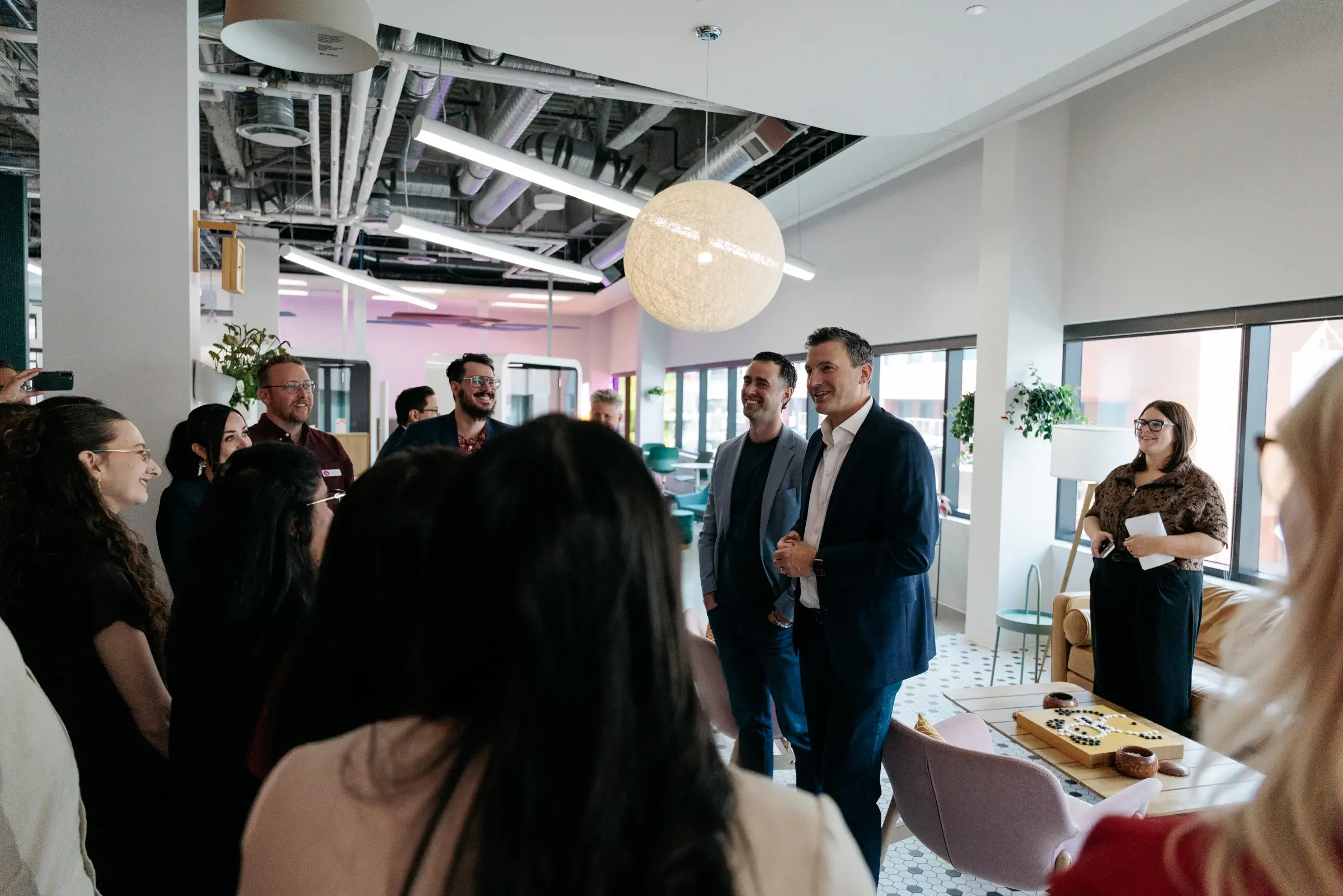
The Small Business Jam was delivered through OpenAI Academy, OpenAI’s AI literacy and education initiative, and took place across Detroit, Houston, Miami, New York City, and San Francisco. The program brought together hundreds of small business owners alongside OpenAI staff and partner organizations, including DoorDash and SCORE, for a full day of hands-on problem solving.
In a LinkedIn post reflecting on the initiative, Alex Nawar, who works on OpenAI Academy, wrote that the Jam was designed to understand “how people use AI to solve real problems—and what it takes for new tools to translate into real-world outcomes.” He described spending the day with restaurant owners, consultants, and solo founders who were “stretched thin—and still showed up ready to build,” noting how quickly ChatGPT became useful once learning was anchored in tasks participants already needed to complete.
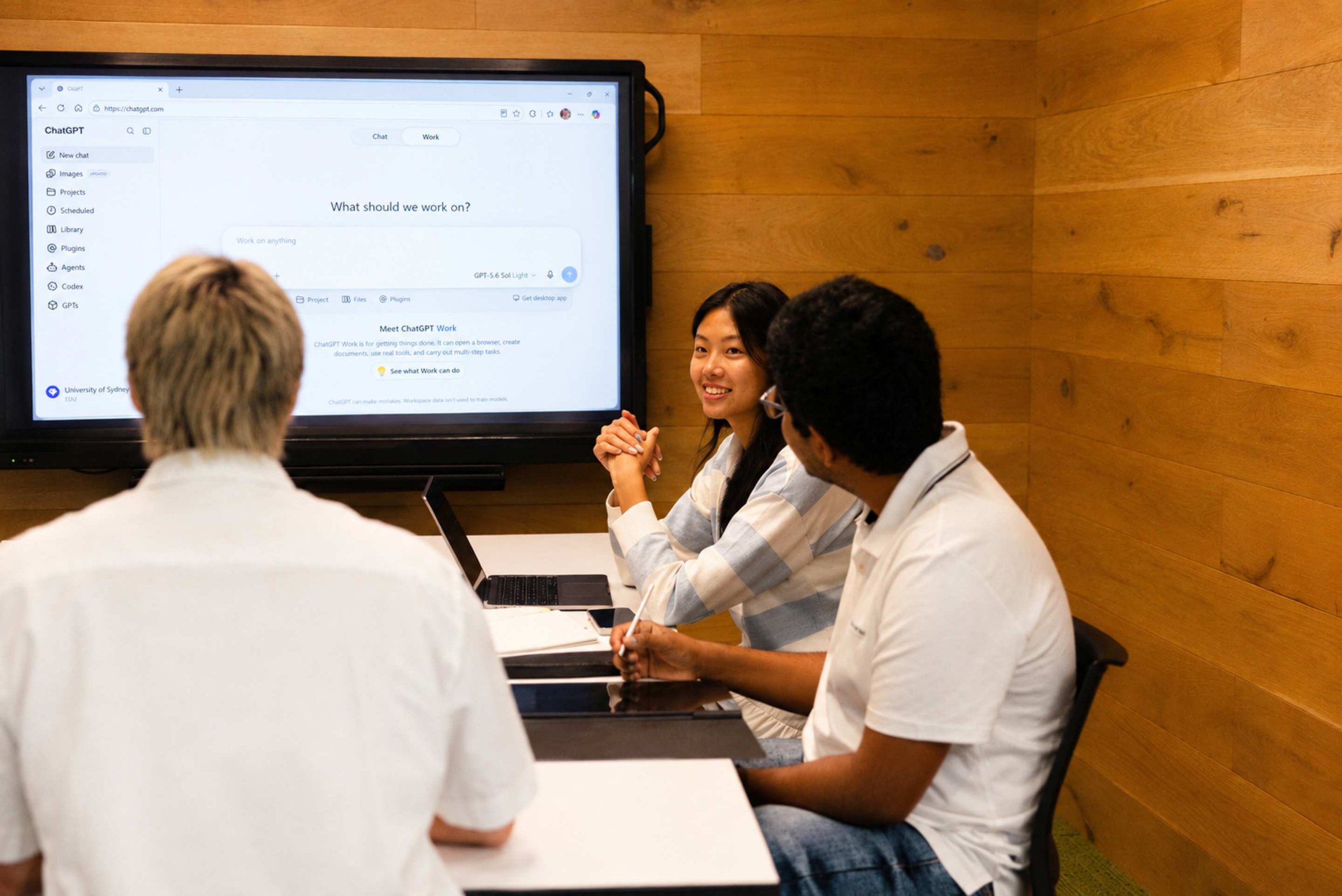
Rather than focusing on general AI education, sessions were structured around repeatable work such as drafting customer communications, managing inventory, planning marketing activity, and converting unstructured notes into usable systems. Participants were encouraged to leave with workflows they could reuse immediately, often built during the event itself.
Confidence, time savings, and early adoption
Post-event feedback highlighted strong short-term impact. Most participants reported leaving with at least one functional workflow and said they planned to apply what they learned within weeks rather than months. Time savings emerged as the most consistent benefit, particularly for owners handling multiple roles without dedicated operational support.
Several first-time AI users described rapid confidence gains. Marcus Belardes, vice president of operations and managing partner at Oren’s Hummus in San Francisco, said, “This was the single most impactful learning I have had in years!” He added, “I walked into the Jam with ZERO experience with AI and have leveraged my learnings almost daily since.” Belardes also noted that the tools were already saving time, saying, “This is already saving me time and I've created multiple uses in minutes for what would have taken me hours.”
For many attendees, the value of the session came less from advanced features and more from achieving simple, repeatable wins. Turning a blank document into a usable draft or automating a recurring task was often described as the point at which AI shifted from novelty to utility.
What scaled across cities
Patterns were consistent across all five locations. Progress was fastest when participants started with a task they already performed every week, rather than beginning with general AI concepts. Peer learning also played a central role, with many owners citing examples shared by other participants as catalysts for faster adoption.
The report positioned the Small Business Jam as both an education program and a learning exercise for OpenAI itself. By observing how small business owners applied AI under real operational constraints, OpenAI Academy gathered insight into how tools need to be designed, taught, and supported to deliver value outside large enterprise environments.
The Jam also forms part of OpenAI Academy’s broader effort to expand AI literacy beyond corporate settings, with follow-up virtual skill labs planned to support continued adoption and experimentation.