Florida State University deepens AWS partnership as cloud and AI reshape research workflows
Florida State University expands access to cloud and AI tools, highlighting how compute power is becoming central to research, skills development, and student innovation.
Florida State University and Amazon Web Services have expanded their collaboration to provide researchers and students with greater access to cloud computing and AI tools, as universities increasingly rely on scalable infrastructure to accelerate research and skills development.
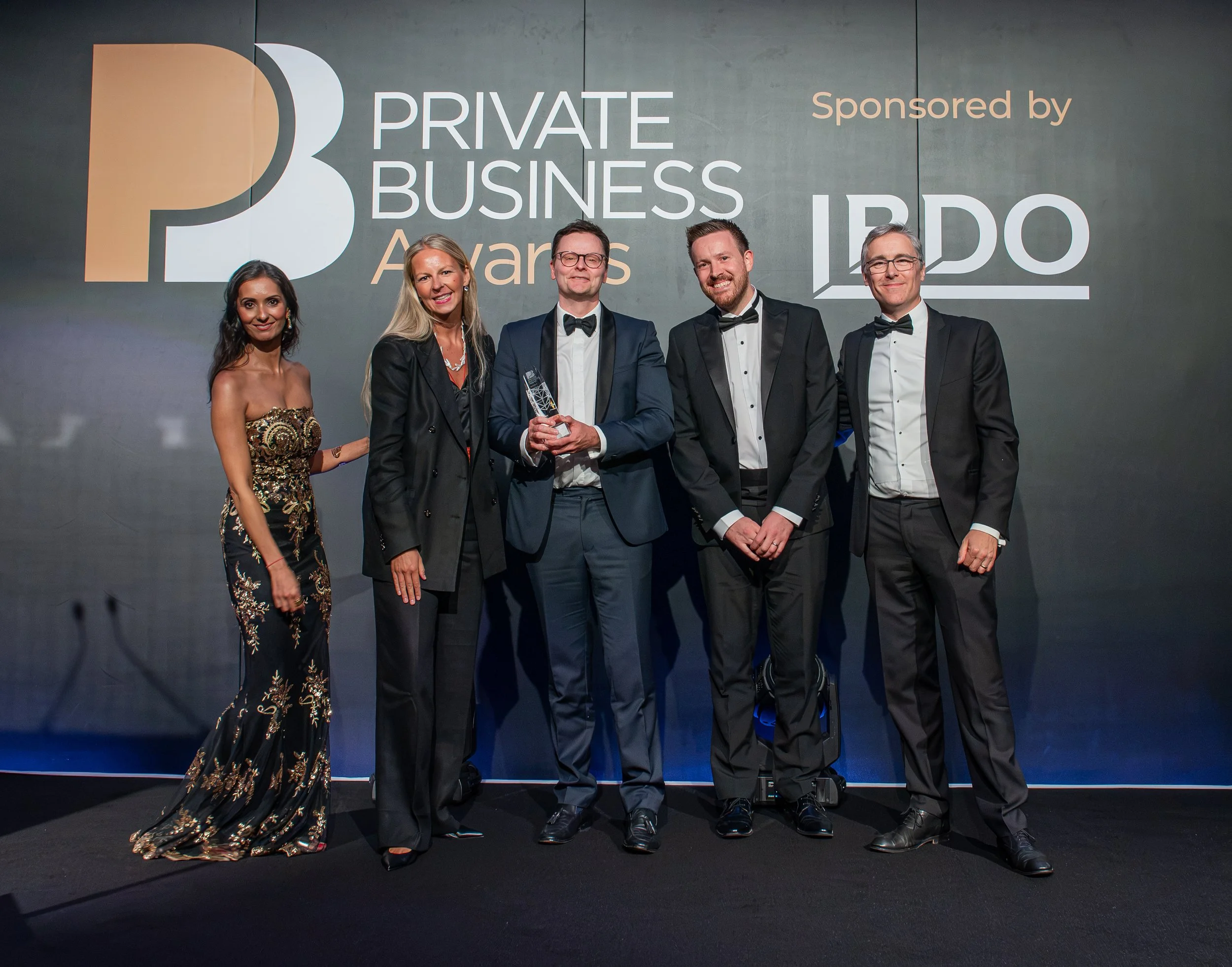
The partnership, highlighted at a recent FSU-AWS Researcher Showcase and Awards event, reflects a growing shift in higher education toward cloud-based environments that enable large-scale data analysis, machine learning, and applied AI projects. The move positions compute access as a core enabler of research output, rather than a background resource.
In a LinkedIn post, Kim Majerus, Vice President of Global Education, U.S. State, and Local Government at AWS, said: “Proud to celebrate the ongoing collaboration between Florida State University and Amazon Web Services (AWS), empowering researchers with CloudComputing and AI tools to accelerate discovery. From intersection safety systems to health prediction models, FSU scholars are transforming research timelines and unlocking innovation that serves communities.”
Cloud access accelerates research timelines
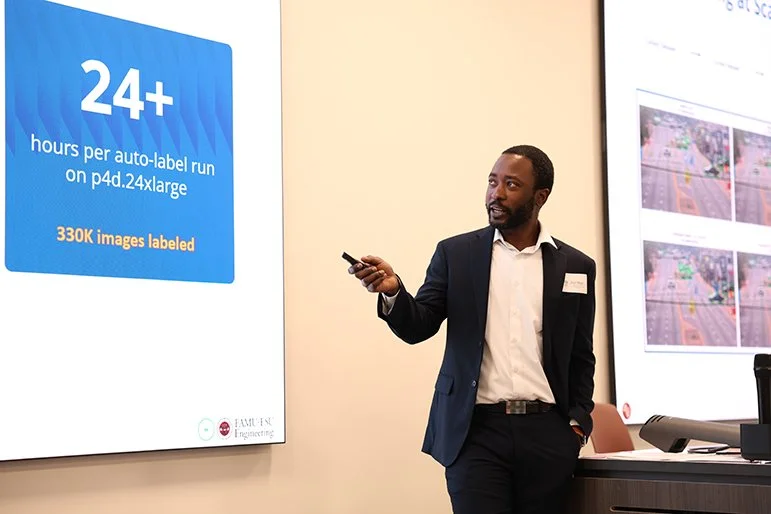
The partnership is already shaping how research is conducted across the university. At the Center for Advanced Power Systems, researcher Paul Bupe is using AWS tools to analyze large datasets for a predictive intersection safety system, processing more than 1.7 million objects across images and maps.
He says: “Without AWS, we wouldn’t have been able to make this research happen.”
Bupe adds: “In AI and machine learning, data is the most valuable thing. This gave us the capabilities that truly allowed for innovation.”
The use of cloud infrastructure allows researchers to scale compute resources on demand, reducing the time required to train models and process data. For projects that rely on high-volume datasets, this shift is increasingly determining what research is feasible.
AWS positions this as a way to compress research timelines. Michael Curry, a senior leader at AWS, says: “Our goal as a technology provider and an industry partner is to help accelerate researchers’ work at a low cost.” He adds: “As one of our presenters said, ‘I don’t need this to be a six-month project. I want it to be a six-day or six-week project.’ They’re trying to accelerate that time to science, and that is what this technology is helping to accomplish.”
Infrastructure replaces traditional research constraints
University leaders framed the partnership as part of a wider shift toward digital research environments. Jonathan A. Fozard, Associate Vice President and Chief Information Officer at FSU, says: “This partnership is a powerful example of how Florida State is delivering on the strategic vision of President McCullough by investing in the technology infrastructure that drives cutting-edge research.”
He adds: “Removing traditional compute barriers and broadening access to secure cloud and AI tools allows our researchers and scholars to move faster, design transformative research and secure the large-scale grants that empower long-term impact.”
The model extends beyond individual projects. Through the FSU/AWS Research Acceleration Fund, 11 researchers received up to $20,000 in AWS credits to support work across disciplines including education, engineering, health sciences, and communication.
Vice President for Research Stacey Patterson says: “Modern research is increasingly data-intensive. Whether we are talking about quantum materials, generative AI or predictive safety systems, the lab is no longer just a physical space — it is a digital one.” She adds: “This partnership demonstrates the art of the possible. Our goal is simple but ambitious: we want to provide FSU researchers with a world-class environment that accelerates discovery.”
At the project level, the shift also affects how sensitive data is handled. Faculty researcher Balu Bhasuran says: “Sharing our models and patient-based information extraction were problems for us, but working with AWS cloud, it seems that the problem is solved.”
Students gain access to the same tools as researchers
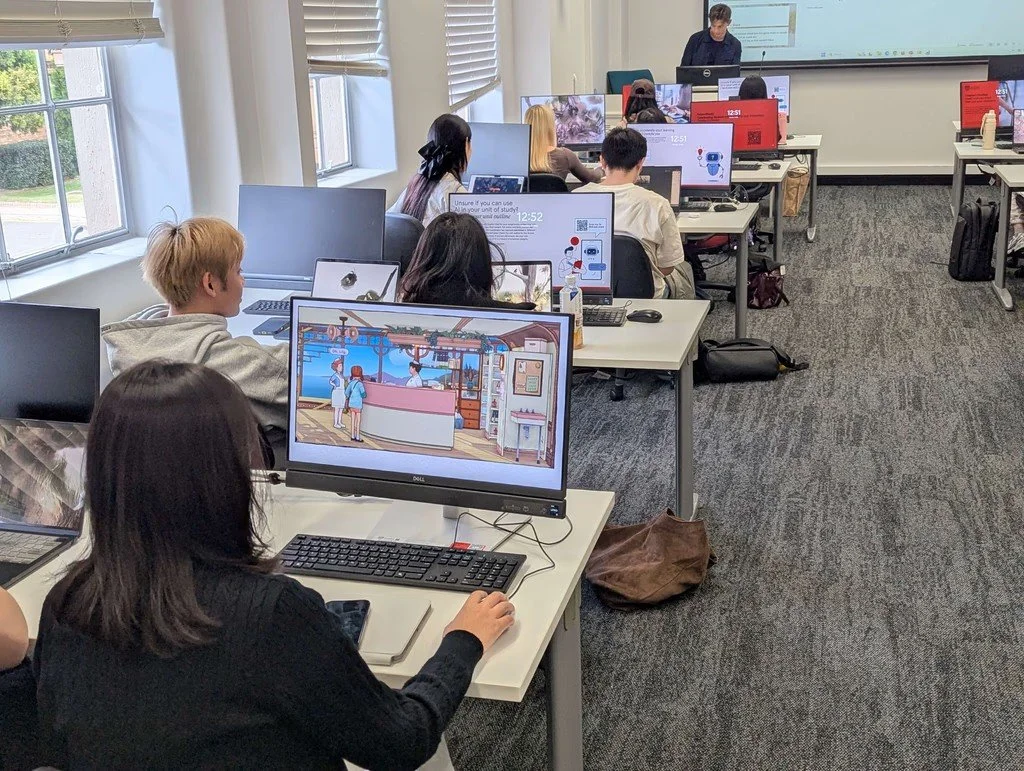
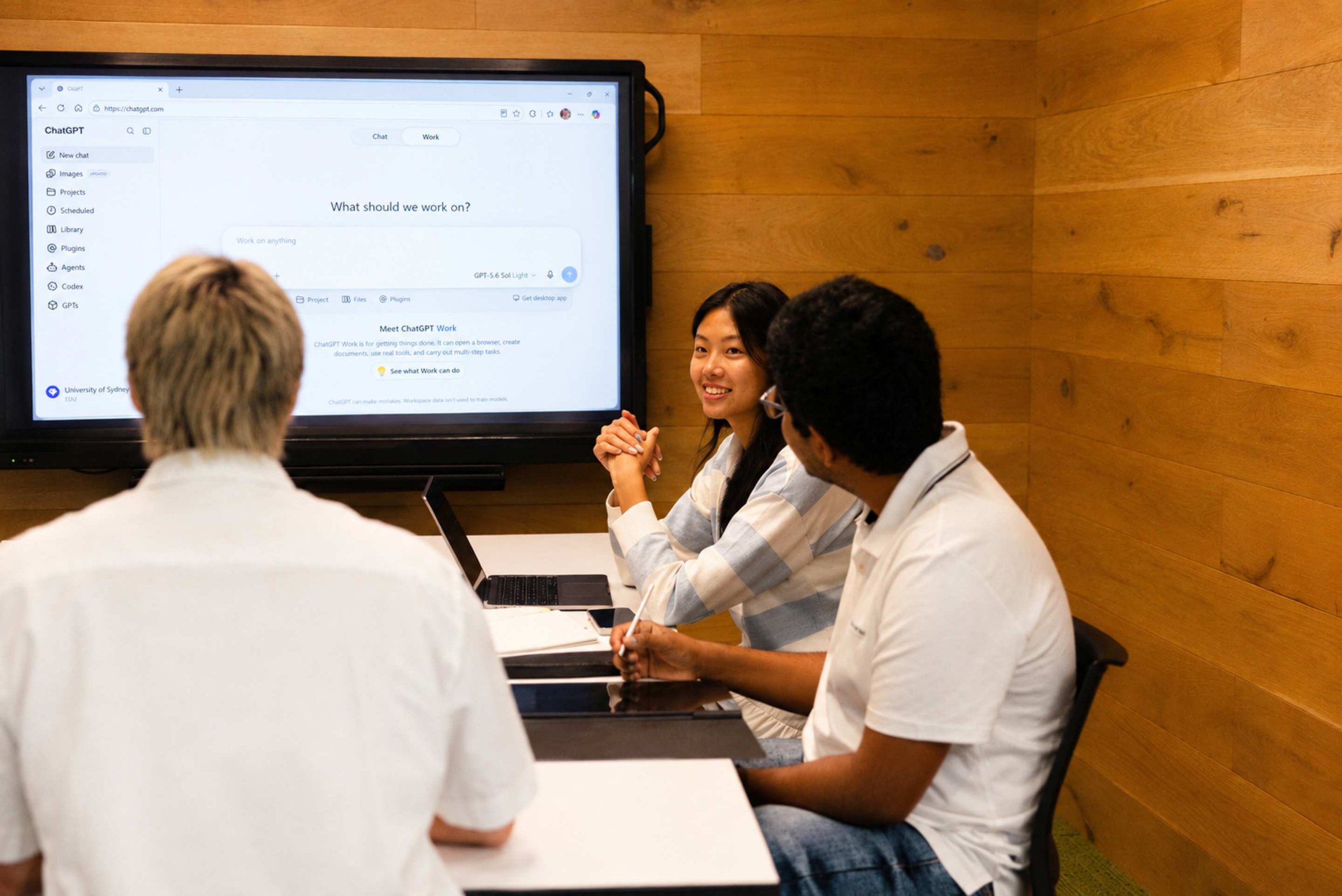
The partnership is also extending into student learning and skills development. At the FSU AI Maker Challenge, a 48-hour development event, students used cloud-based AI tools to build applications, including a system to match researchers with funding opportunities.
Alexis Gollman, a senior student, says: “Despite never having written a single line of code, the ‘agentic’ capabilities of AI and the guidance of my mentors made it possible for me to build this platform.” She adds: “I’m incredibly honored that the community saw the passion behind my pitch. It is surreal to be able to use these AI tools as a student to bring a deeply personal vision to life. Being perhaps the only non-computer science or engineering student in the challenge, I’m grateful to FSU for opening doors to information and technology that I otherwise wouldn’t have accessed.”
AWS Account Manager Marisa Halluska says: “It’s exciting to see what students can do when they get their hands on just a little bit of training and these tools. These are very accessible, and that’s what these students are proving.”
In a separate LinkedIn post, Fozard said: “A wonderful event celebrating the continued partnership between Florida State University and Amazon Web Services (AWS). Together, we are advancing critical research, creating new opportunities for our faculty and students, and helping prepare the next generation of technology leaders. Partnerships like this demonstrate what is possible when higher education and industry move forward together.”
What emerges is a shift in how universities define research capability. Access to cloud infrastructure and AI tools is no longer optional or experimental—it is becoming the baseline. The question is not whether institutions adopt these systems, but how quickly they can extend access across faculty and students without creating new gaps between those who can use them and those who cannot.
ETIH Innovation Awards 2026
The ETIH Innovation Awards 2026 are now open and recognize education technology organizations delivering measurable impact across K–12, higher education, and lifelong learning. The awards are open to entries from the UK, the Americas, and internationally, with submissions assessed on evidence of outcomes and real-world application.