U.S. Department of Labor outlines AI workforce strategy at SCSP AI+ Education Summit
Conversation with Deputy Secretary Keith Sonderling highlights federal plans for AI literacy, apprenticeships, and workforce training as policymakers rethink how workers prepare for the AI economy.
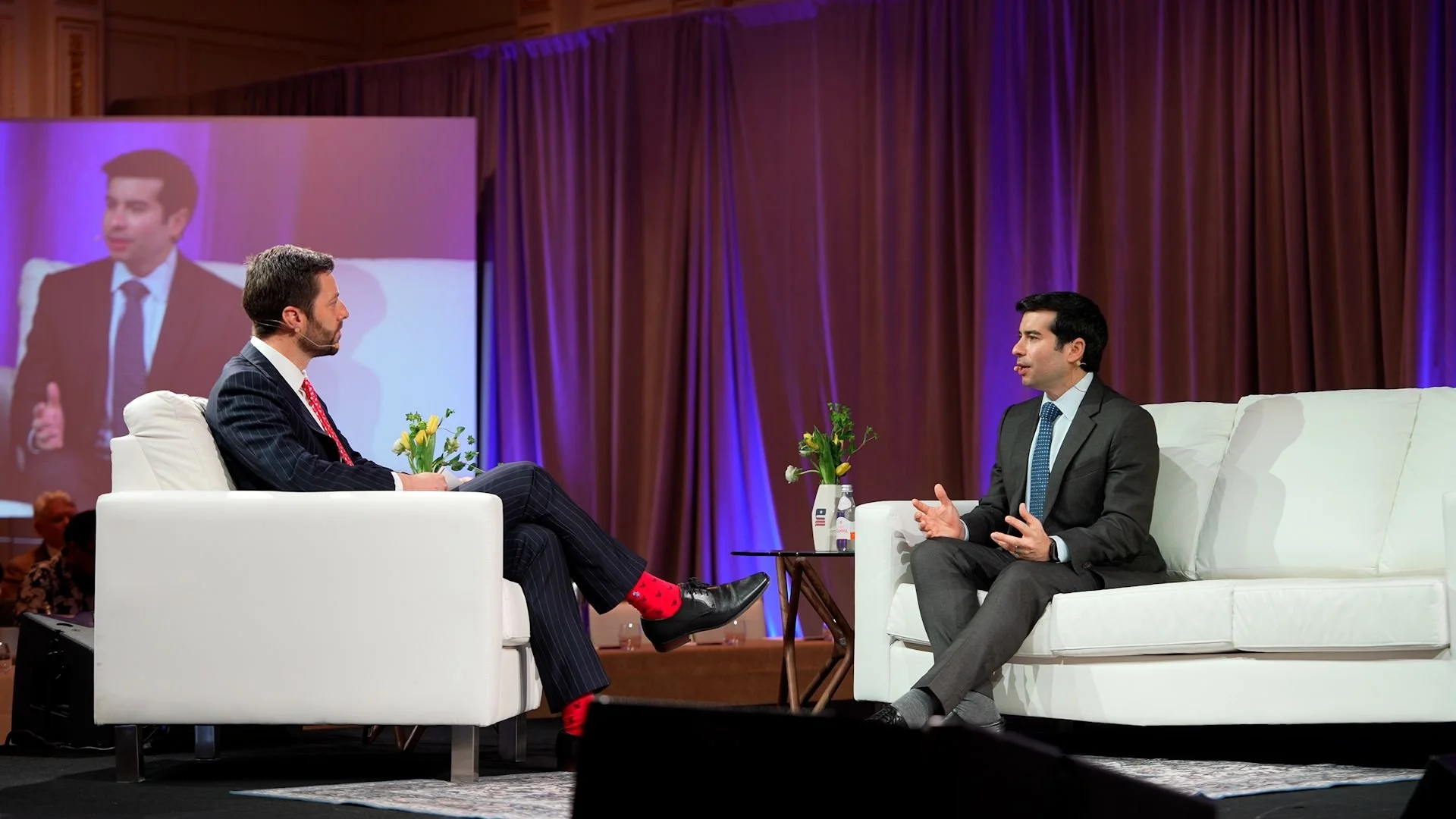
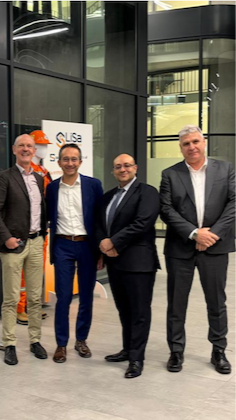
Photo credit: Martijn Rasser
The U.S. Department of Labor is expanding its focus on artificial intelligence workforce development, outlining new strategies for AI literacy, apprenticeships, and skills training during the Special Competitive Studies Project (SCSP) AI+ Education Summit in Washington, D.C.
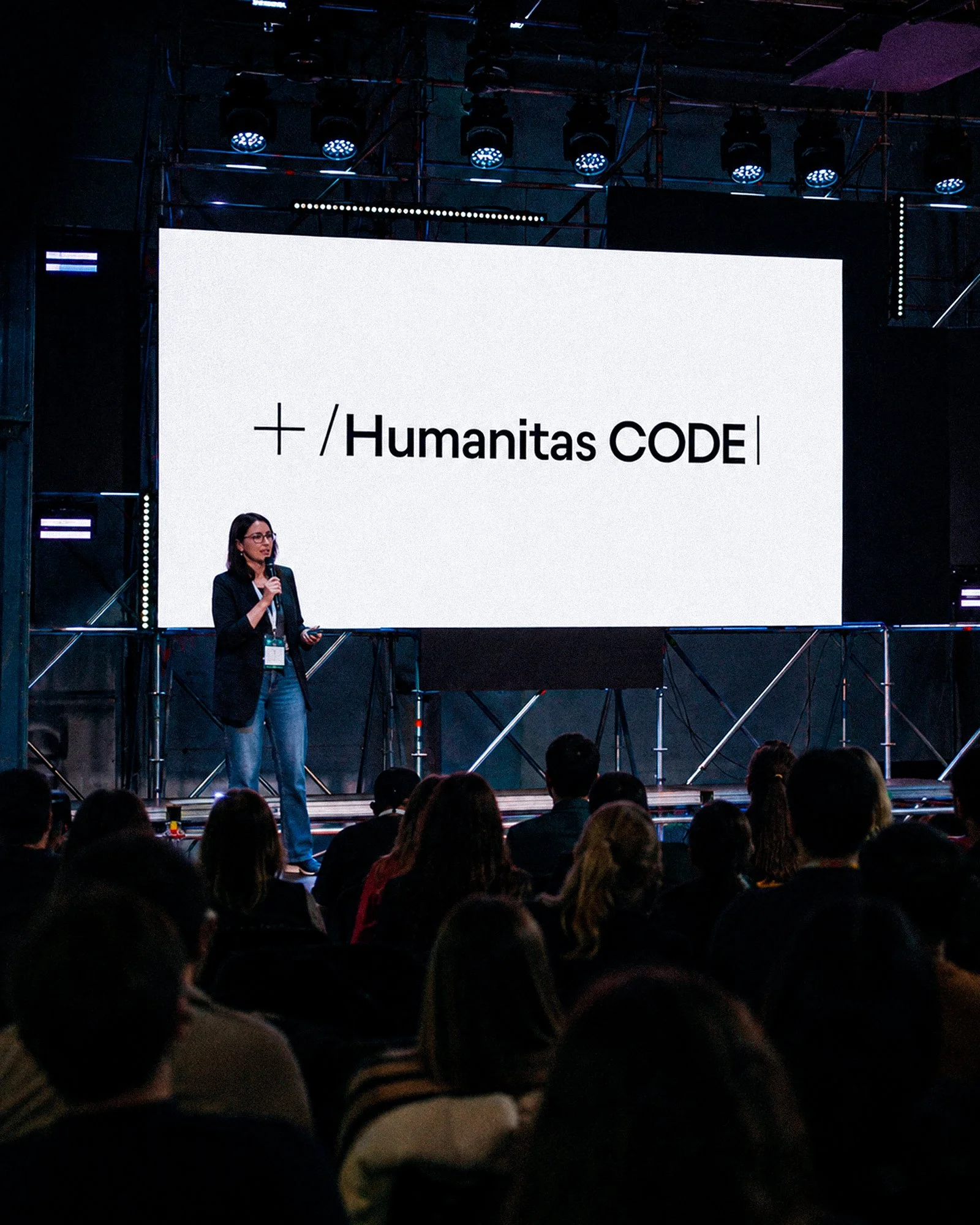
Speaking during a fireside chat moderated by Martijn Rasser, Vice President of the Technology Leadership Directorate at SCSP, Deputy Secretary of Labor Keith Sonderling discussed how federal policy is shifting toward practical workforce preparation as AI adoption accelerates across industries.
The event brought together more than 500 attendees and focused on how government, education providers, and employers are preparing workers for the growing role of AI in the economy.
Federal strategy shifts toward AI workforce development
During the session, Sonderling discussed the Trump administration’s emerging workforce approach, including the development of an AI literacy framework and expanded apprenticeship programs connected to the technology sector.
According to Rasser, who summarized the discussion on LinkedIn, federal policy is moving away from a traditional “college-for-all” model toward expanded training pathways aligned with employer demand.
He wrote that the administration’s America’s Talent Strategy is targeting one million new apprenticeships, including programs connected to AI-related roles.
The discussion also highlighted a recently released AI Literacy Framework from the Department of Labor designed to guide workforce boards, community colleges, training providers, and employers as they develop AI education programs.
AI literacy framework to guide workforce programs
The framework outlines five core content areas and seven delivery principles intended to support AI literacy initiatives across workforce training programs.
According to the Department of Labor, the guidance is intended to help organizations design practical training initiatives that prepare workers to use AI tools across different industries.
Rasser noted that the framework is designed to influence how federal workforce funding supports AI skills development.
He wrote: “The AI Literacy Framework DOL released last month is a serious document. It establishes five foundational content areas and seven delivery principles designed to guide how workforce boards, community colleges, training providers, and employers build AI literacy programs. This isn't abstract guidance. It's the architecture for how federal workforce development funding will flow toward AI skills training at every level.”
AI Workforce Hub planned as central resource
The Department of Labor is also developing an AI Workforce Hub, intended to serve as a centralized resource connecting workforce training programs, labor market data, and AI upskilling strategies.
Rasser said he raised questions during the discussion about how federal AI resources will reach smaller organizations and rural communities, not just large technology companies.
He wrote: “The AI Workforce Hub will serve as a centralized resource connecting upskilling strategies, labor market data, and training programs. I pushed Deputy Secretary Sonderling on equitable access, specifically how a small business in a rural community gets the same benefit from these federal AI resources as a tech giant in Silicon Valley. His answer was compelling and concrete.”
The conversation reflects growing policy attention in the United States on how AI adoption will reshape workforce skills and training pathways, particularly as governments attempt to align education systems, employers, and workforce development programs around emerging technology needs.
ETIH Innovation Awards 2026
The ETIH Innovation Awards 2026 are now open and recognize education technology organizations delivering measurable impact across K–12, higher education, and lifelong learning. The awards are open to entries from the UK, the Americas, and internationally, with submissions assessed on evidence of outcomes and real-world application.