Microsoft grows AI for Good program with Uruguay research hub
New research hub at LATU Innovation Park expands Microsoft’s AI for Good program and reflects growing collaboration between governments, researchers, and technology companies around applied AI.
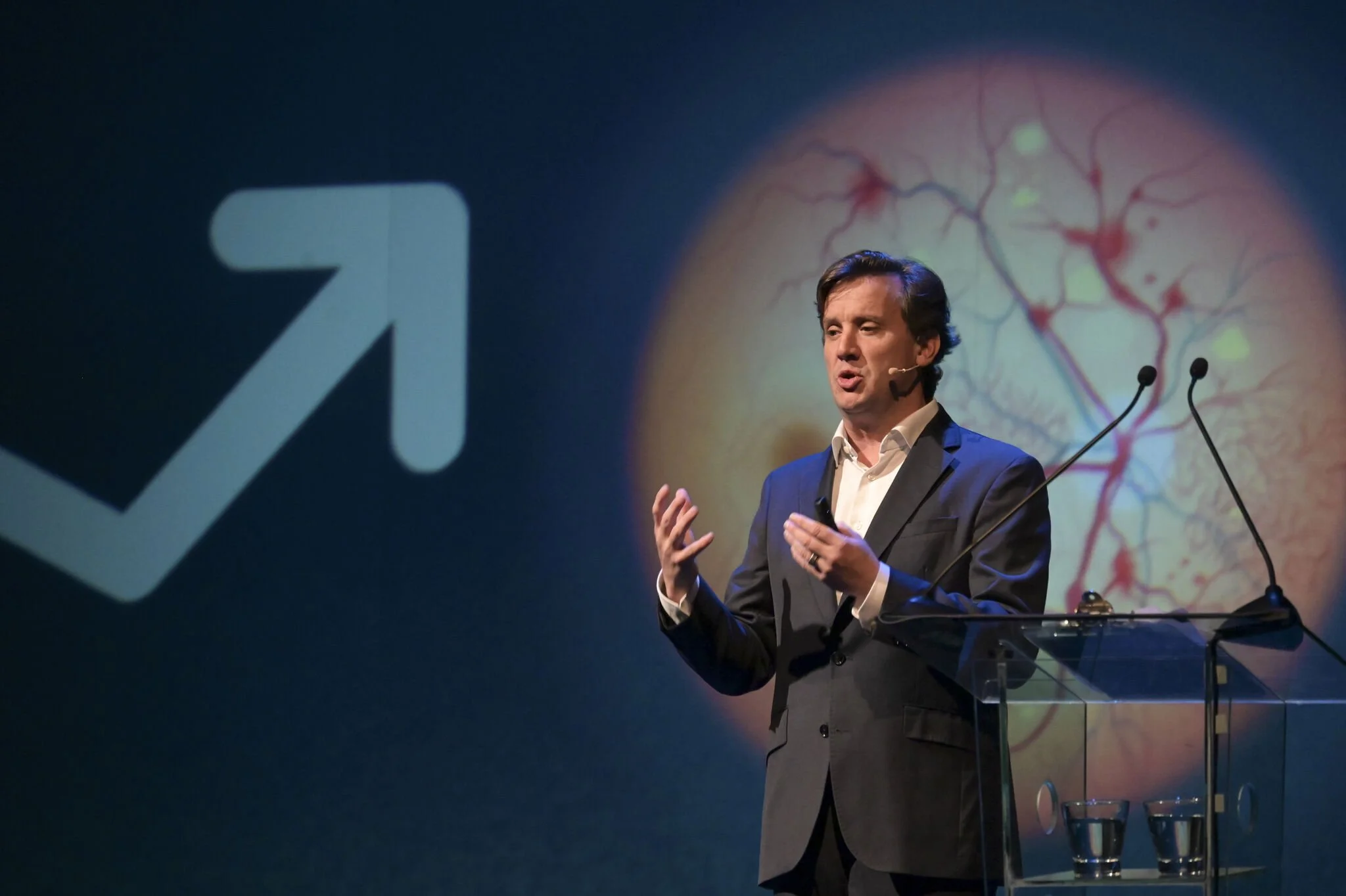
Photo credit: Juan M. Lavista Ferres
Microsoft has launched a new AI for Good Lab in Uruguay, expanding its global research program focused on applying artificial intelligence to social, environmental, and humanitarian challenges.
The lab will be based at the LATU Innovation Park in Montevideo and has been developed in partnership with the Government of Uruguay.
The announcement was shared on LinkedIn by Juan M. Lavista Ferres, Corporate Vice President and Chief Data Scientist at Microsoft, who leads the company’s AI for Good Research Lab. The initiative reflects a broader effort to combine local research ecosystems with global technology capabilities as AI development accelerates.
Public–private collaboration around AI research
Lavista Ferres said the launch represents a new phase of collaboration between the technology sector and national institutions working on applied AI research. “I am proud to announce the launch of the AI for Good Lab in Uruguay,” he wrote.
The new lab is located at the LATU – Laboratorio Tecnológico del Uruguay Innovation Park, a technology and research hub that supports innovation, entrepreneurship, and technology transfer across multiple sectors.
Lavista Ferres said the project brings together government partners, researchers, and technology organizations working to develop AI systems that address real-world challenges: “Together with the Government of Uruguay and located in the LATU - Laboratorio Tecnológico del Uruguay Innovation Park, this expansion of the Lab represents a new chapter in public–private collaboration to build AI that serves not only the country and the region, but also the world through the global reach of the AI for Good Lab's work.”
Uruguay’s growing role in regional AI development
Lavista Ferres also pointed to Uruguay’s expanding technology ecosystem and its national strategy around artificial intelligence as factors behind the new research hub: “Uruguay has built a strong technology ecosystem and has emerged as a regional leader in AI adoption, with a clear vision that brings together the public sector, private organizations, academia, and civil society.”
Microsoft’s AI for Good initiative brings together researchers and data scientists working on projects linked to climate science, healthcare, accessibility, and humanitarian response.
According to Lavista Ferres, combining local talent with global research infrastructure is central to how the program operates: “At Microsoft, we believe AI must be in service of people. When world-class technology is combined with local talent and a commitment to responsible AI, it becomes a powerful tool to tackle some of society’s greatest challenges.”
AI research expands beyond traditional tech hubs
Lavista Ferres announced the new lab during an event at Teatro Solís in Montevideo, one of South America’s oldest theaters.
Reflecting on the setting, he said the moment highlighted the broader cultural and societal impact of emerging technologies: “I was honored to make this announcement at the Teatro Solís. Presenting what I believe to be one of the most consequential technologies of our time in South America's oldest theatre was a reminder of how AI can amplify the best of humanity, and that together we can shape the future we want for generations to come.”
The launch signals continued expansion of Microsoft’s AI for Good program and reflects a wider trend in which governments, research institutions, and technology companies are working together to apply artificial intelligence to global challenges.
ETIH Innovation Awards 2026
The ETIH Innovation Awards 2026 are now open and recognize education technology organizations delivering measurable impact across K–12, higher education, and lifelong learning. The awards are open to entries from the UK, the Americas, and internationally, with submissions assessed on evidence of outcomes and real-world application.