OpenAI Codex on Campus session to examine how AI tools are being used across universities

OpenAI is set to host a Codex on Campus session on April 14, highlighting how AI coding tools are being used across universities beyond engineering teams.
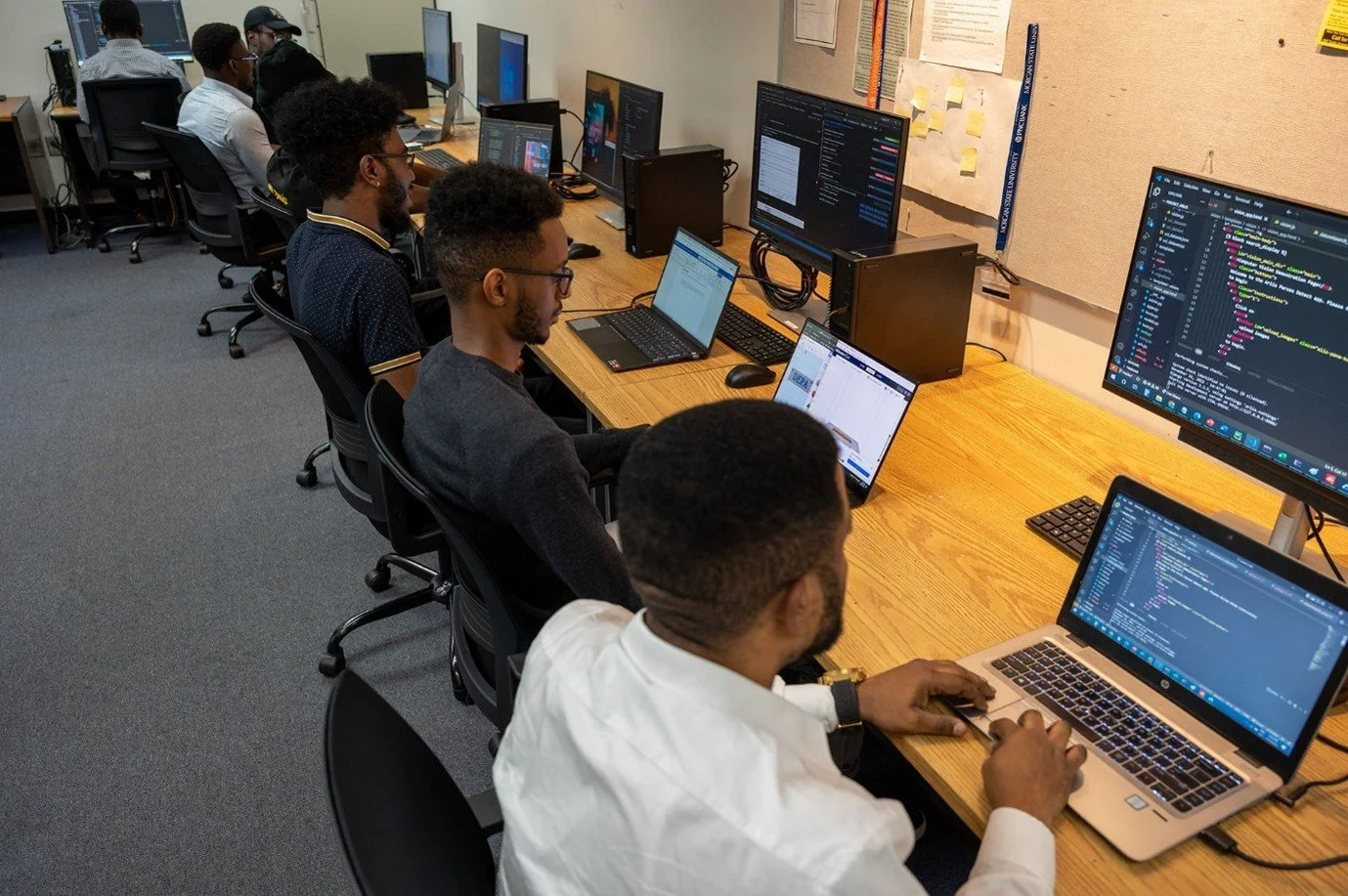
The session will explore how faculty, administrative staff, and students are applying these tools in day-to-day workflows, pointing to a shift in how AI development is taking shape within higher education.
Keelan Schule, Solutions Engineer at OpenAI, shared details of the session on LinkedIn, outlining how institutions are already using AI tools to build applications and automate processes. The session will focus on what is being developed today and how access to these tools is expanding across campus roles.
Broader use cases emerging across campus
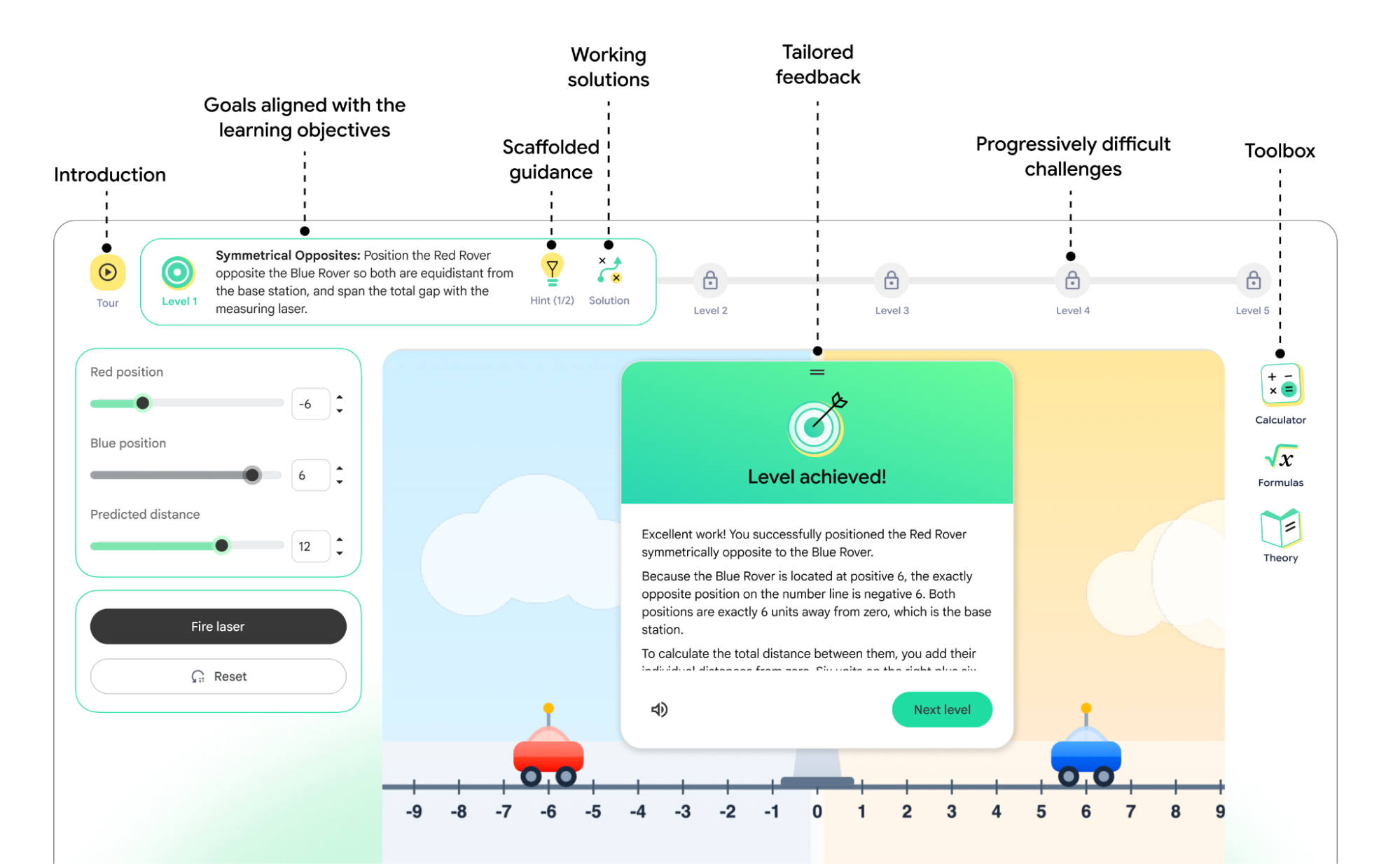
Schule’s post points to a range of applications already being developed within universities. These include course planning tools built by faculty, workflow automation for administrative teams, and student-led applications addressing areas such as course registration, study support, and campus navigation.
Examples highlighted include ADHD study planners, scholarship tracking tools, and systems for reporting campus issues. The use cases suggest that AI development is moving closer to end users, with tools being created to solve specific, localized problems rather than large-scale system deployments.
Schule stated: “Most think AI coding tools only belong in engineering teams. They don’t.”
He added: “We’re seeing teams go from idea → working application in hours, not weeks. In some cases, without writing a single line of code. It’s not just faster development, it’s expanding who gets to build on campus.”
From technical skill to wider access
The session is positioned for a broad audience, including CIOs, faculty leaders, innovation teams, and non-technical users. According to the event description, Codex on Campus is designed “for the entire campus community—not just developers or technical users—making it accessible across roles and levels of technical experience.”
The content will focus on what is currently being built, who is using these tools, and how institutions can introduce them into existing workflows. This includes practical guidance on integrating AI into academic and administrative processes, with an emphasis on reducing manual workload and supporting faster decision-making.
The event description states it will show “how it can support productivity, creativity, and reducing administrative burden across campus.”
The session will also examine how universities can operationalize these tools, moving from isolated experimentation to broader adoption. This includes identifying where AI tools fit within daily routines and how they can be introduced without requiring advanced technical expertise.
The event is scheduled as a livestream on April 14, with OpenAI highlighting real-world examples from campus environments.