Microsoft puts $60 million behind DOE push to bring AI into the laboratory
The three-year commitment combines Azure credits, engineering support and a new coordination hub for scientific work spanning US national laboratories and universities.
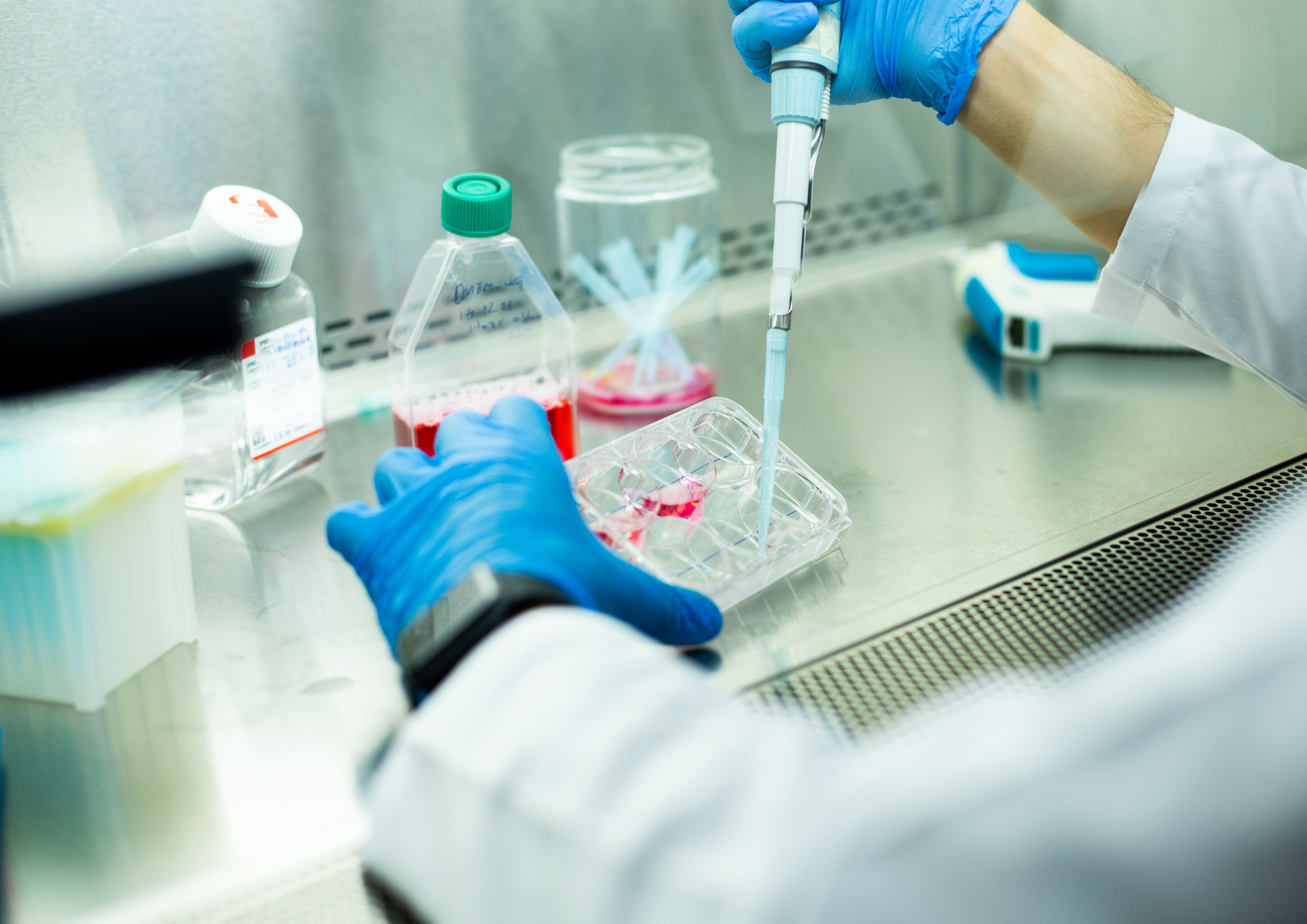
Microsoft’s Genesis Mission commitment will support AI projects across US national laboratories, universities and federal research programs
Microsoft is putting $60 million of cloud capacity and engineering support behind a US Department of Energy effort to bring AI into the daily work of scientists, from designing new materials to preparing nuclear safety documentation.
The Genesis Mission is not simply seeking better AI models. Its stated goal is to connect AI with experimental facilities, scientific data and laboratory systems across the Department of Energy’s 17 National Laboratories, with universities and federal researchers also involved.
Ashley Llorens, Corporate Vice President at Microsoft Research, captured that distinction in a LinkedIn post announcing the commitment: “This is precisely the kind of research to impact acceleration that matters most in this phase of our AI transformation: not just training better models but connecting them to the real scientific workflows where discoveries happen.”
Of the $60 million package, $40 million will take the form of Microsoft Azure compute and AI credits distributed over three years. The remaining $20 million will fund engineering, architecture, deployment, adoption and acceleration support.
The commitment is therefore being provided through technology and services, rather than as direct grant funding. Microsoft has not disclosed how the package will be divided among individual laboratories, universities or research projects.
From model to autonomous laboratory
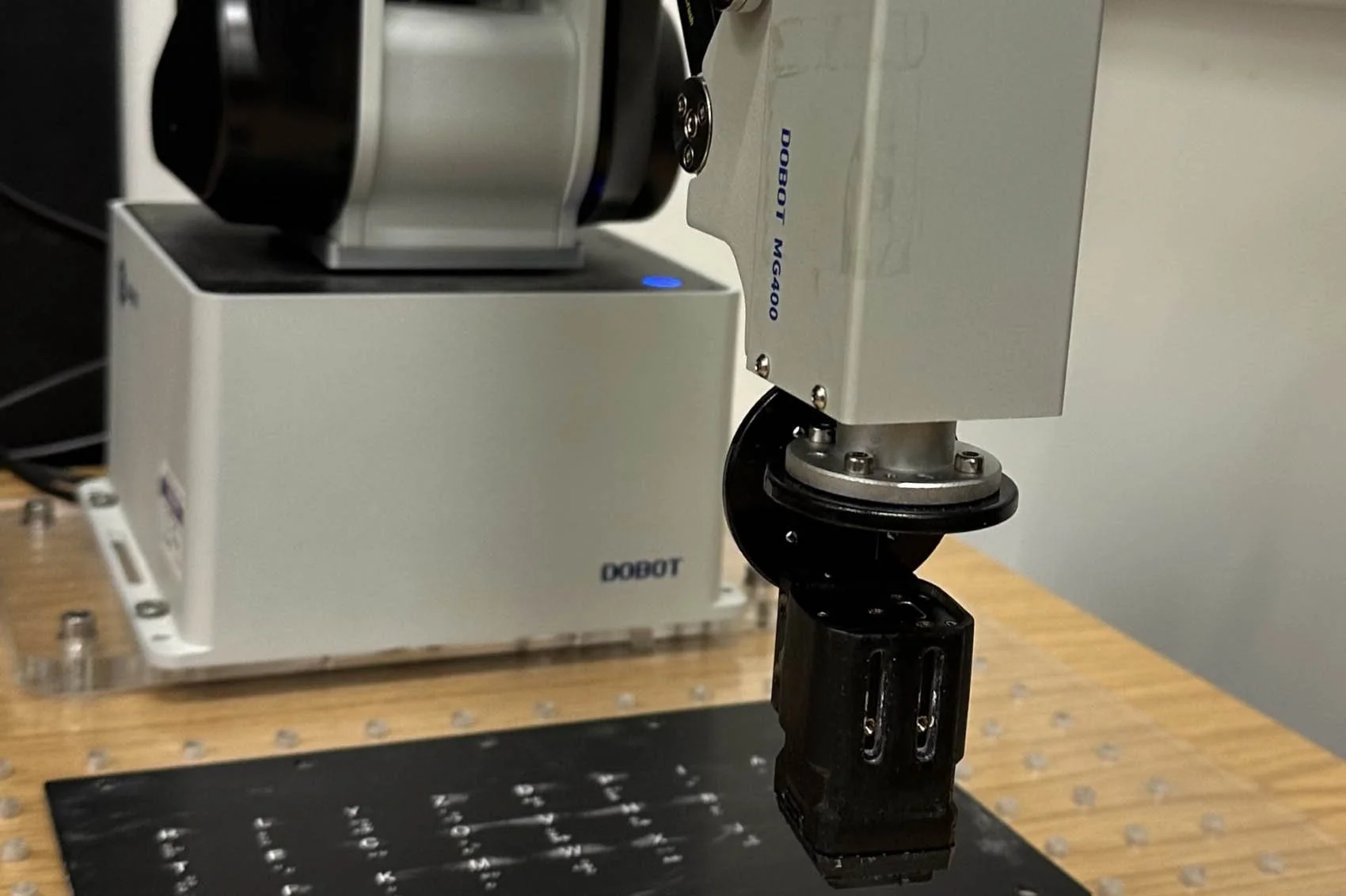
One of the clearest examples comes from Microsoft’s work with Johns Hopkins University Applied Physics Laboratory, where AI models and simulation tools are being connected with autonomous laboratories researching structural materials and superconductors.
The project combines automated experimentation with MatterGen and MatterSim, Microsoft Research tools for generating and simulating materials. Instead of researchers manually moving through each stage, the intended process allows AI to propose materials, simulations to narrow the options and laboratory systems to test the most promising candidates.
“We are seeing the emergence of a new scientific loop: AI proposes, simulation narrows the space, autonomous labs test, results feed back into the system, and improvements compound,” Llorens wrote. “That loop has the potential to dramatically shorten the path from hypotheses to validated discoveries across the sciences.”
Llorens previously worked as a researcher and engineer at the Applied Physics Laboratory. In his LinkedIn post, he described Microsoft’s current role as supporting the laboratory’s autonomous systems through the integration of models and tools.
“We are supporting the advancement of APL's autonomous laboratories through the integration of models and tools, including Microsoft Research's MatterGen and MatterSim, to dramatically shorten the path from scientific hypothesis to validated, manufacturable, mission-enabling materials,” he wrote.
Microsoft says the approach allows researchers to explore a larger materials design space than would be possible through traditional experimental methods. The announcement does not provide performance figures or a timetable for the project.
SPARK will connect researchers with Microsoft teams
The company has established a new program office and coordination hub to manage its involvement in the Genesis Mission.
Scientific Partnership Advancing Research & Knowledge, known as SPARK, is intended to act as a single entry point for collaboration with Microsoft. It will connect Department of Energy teams with the company’s research, engineering, security, compliance, program and partner specialists.
A dedicated program management office will oversee project intake, prioritization, reporting and coordination with the department. An AI for Science Center of Excellence will help move selected use cases from initial concepts into secure and scalable deployments.
Training is part of that remit. Microsoft says the center will provide office hours, hackathons and training grounded in responsible AI and reproducible research. SPARK will also manage technical services, direct Azure credits toward selected projects and coordinate research jointly developed by Microsoft researchers and Department of Energy scientific leaders.
Publication arrangements and intellectual property terms for this joint research will be agreed between the parties.
Researchers will also receive access to Microsoft Discovery, a generally available platform that connects AI models, simulations, scientific data and experimental workflows. Its functions include autonomous laboratory orchestration, data curation and reasoning across scientific datasets.
A local desktop version, the Microsoft Discovery app, is currently in preview. Microsoft says Department of Energy and National Laboratory teams will receive early access to the app, which is designed for researchers, students and scientific teams.
Microsoft has also placed its quantum computing work within the broader technical package for the Genesis Mission. However, none of the four initial projects detailed in the announcement is described as using quantum computing.
Four projects take AI into working research programs
The first named projects span materials science, biosystems, biosecurity and nuclear energy.
At Pacific Northwest National Laboratory, AI is being applied to the search for energy storage materials and the analysis of scientific datasets. Microsoft Discovery is also being connected with the laboratory’s automation infrastructure to create workflows that can design, run and refine biological experiments.
Lawrence Livermore National Laboratory is combining AI with bioinformatics to identify emerging biological threats and support the development of responses. Microsoft positions the work as contributing to US biosecurity and biodefense priorities, although no results or implementation timeline are included.
At Idaho National Laboratory, the focus shifts from experimental discovery to the paperwork surrounding nuclear energy. AI is being used to support the preparation of engineering and safety analysis materials for licensing, permitting and regulatory review.
The laboratory has also demonstrated how secure, distributed cloud infrastructure could support autonomous remote operations for nuclear power generators. The announcement does not identify a live deployment or state when those capabilities could move into wider operation.
Together, the four projects show how broadly the Genesis Mission defines AI for science. The work ranges from autonomous experiments and materials simulation to regulatory documentation, with Microsoft supplying the computing capacity and technical teams intended to move projects from concept into operation.
The Department of Energy’s wider ambition is to double the productivity and impact of American research and innovation within a decade.