Interledger Foundation partners with universities to embed open payments in higher education
New programs across four continents aim to embed open finance skills into higher education as demand grows for interoperable payment systems.

The Interledger Foundation has partnered with more than 10 universities across North America, Europe, Africa, and Australia to introduce open payments into higher education programs, as institutions begin to address skills gaps in financial infrastructure and digital payments.
The initiative brings the Interledger Protocol (ILP) into university courses, with students building and testing payment systems designed to work across platforms and borders. The move reflects growing interest in how payments are taught within business, fintech, and technology programs as demand increases for graduates who can work across fragmented financial systems.
Universities move from theory to applied payments
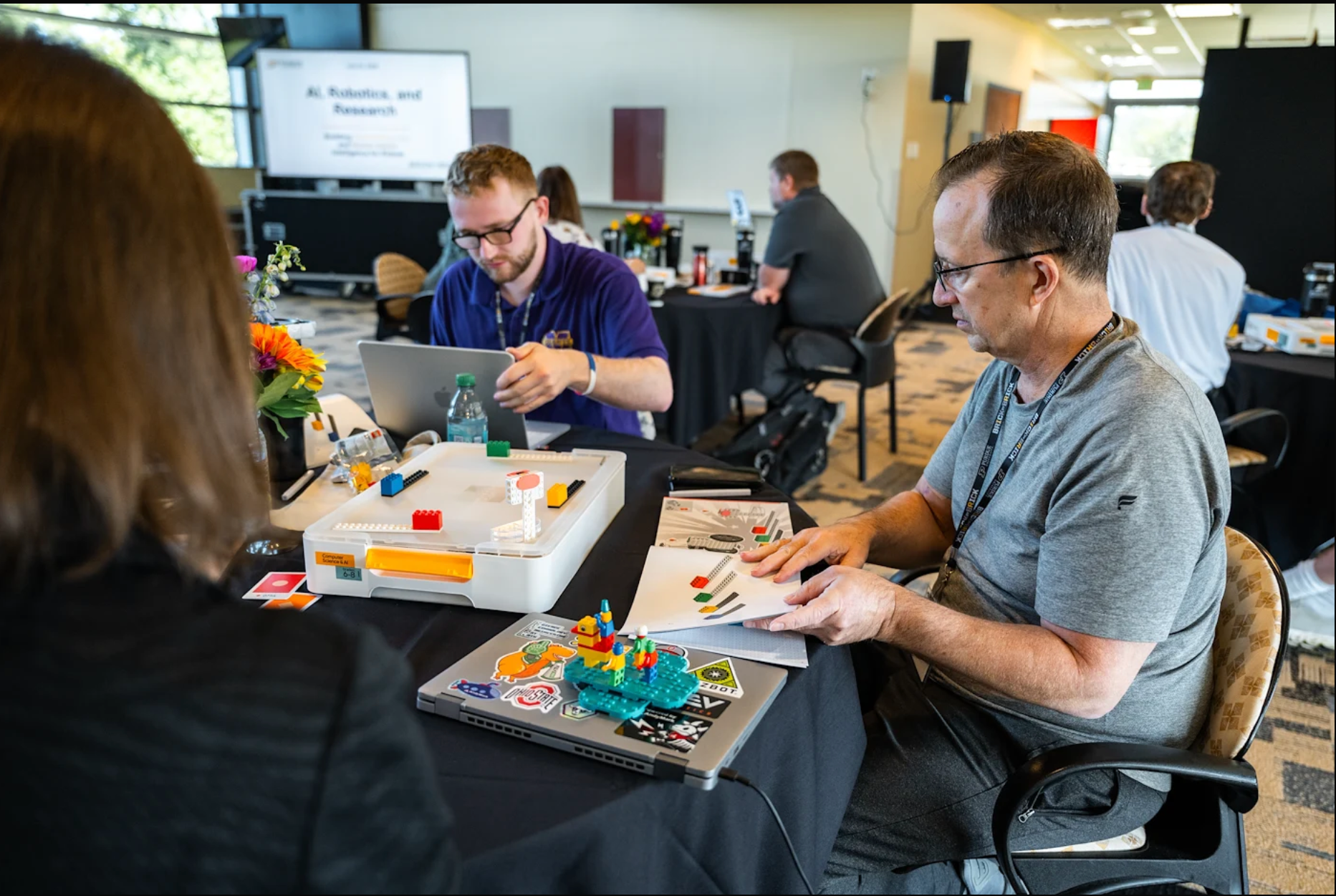
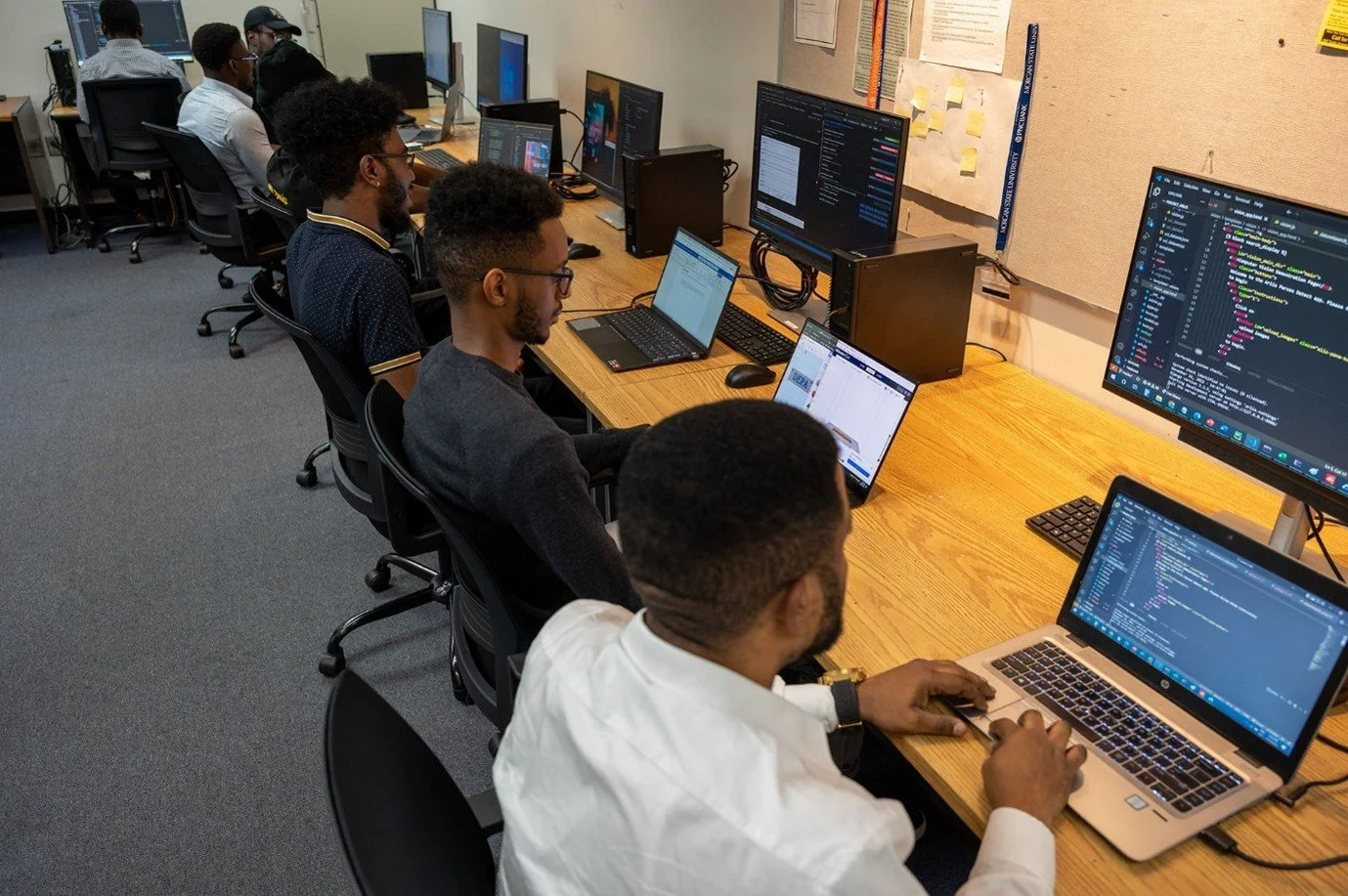
Programs are being delivered through credit-bearing courses, internships, and project-based learning, with students expected to design and build interoperable payment tools.
In the US, universities including Alabama A&M University, Benedict College, and Bowie State University are embedding open payments into business and engineering pathways, while the Atlanta University Center Consortium is bringing together students from historically Black colleges and universities to develop solutions addressing financial inequities.
Elsewhere, The Hague University of Applied Sciences is introducing an interdisciplinary course spanning finance, law, and technology, while institutions in Nigeria, Kenya, South Africa, and Australia are integrating ILP into fintech, entrepreneurship, and cybersecurity programs.
Focus shifts to interoperability
The curriculum is centered on the limitations of current payment systems, where multiple platforms operate separately and require different integrations, slowing transactions and increasing costs.
The Interledger Foundation is positioning ILP as a way to enable payments to move across systems and currencies without relying on closed networks, with potential applications in cross-border transactions and digital public infrastructure.
Briana Marbury, President and CEO of the Interledger Foundation, says: “The next generation of leaders has the opportunity to build payment systems that improve the closed, siloed systems of the past. Working with these universities, we have the opportunity to instill in students the knowledge and tools they need to design for interoperability from day one, so open payments become the standard, rather than the exception.”
The Interledger Foundation says it plans to expand the program further, with additional university partnerships expected later in the year.