ETIH Innovation Awards 2026: spotlight on Best STEM Learning Solution
We’re continuing our series exploring each category in the ETIH Innovation Awards 2026, taking a closer look at what the judges expect and what makes a strong submission.
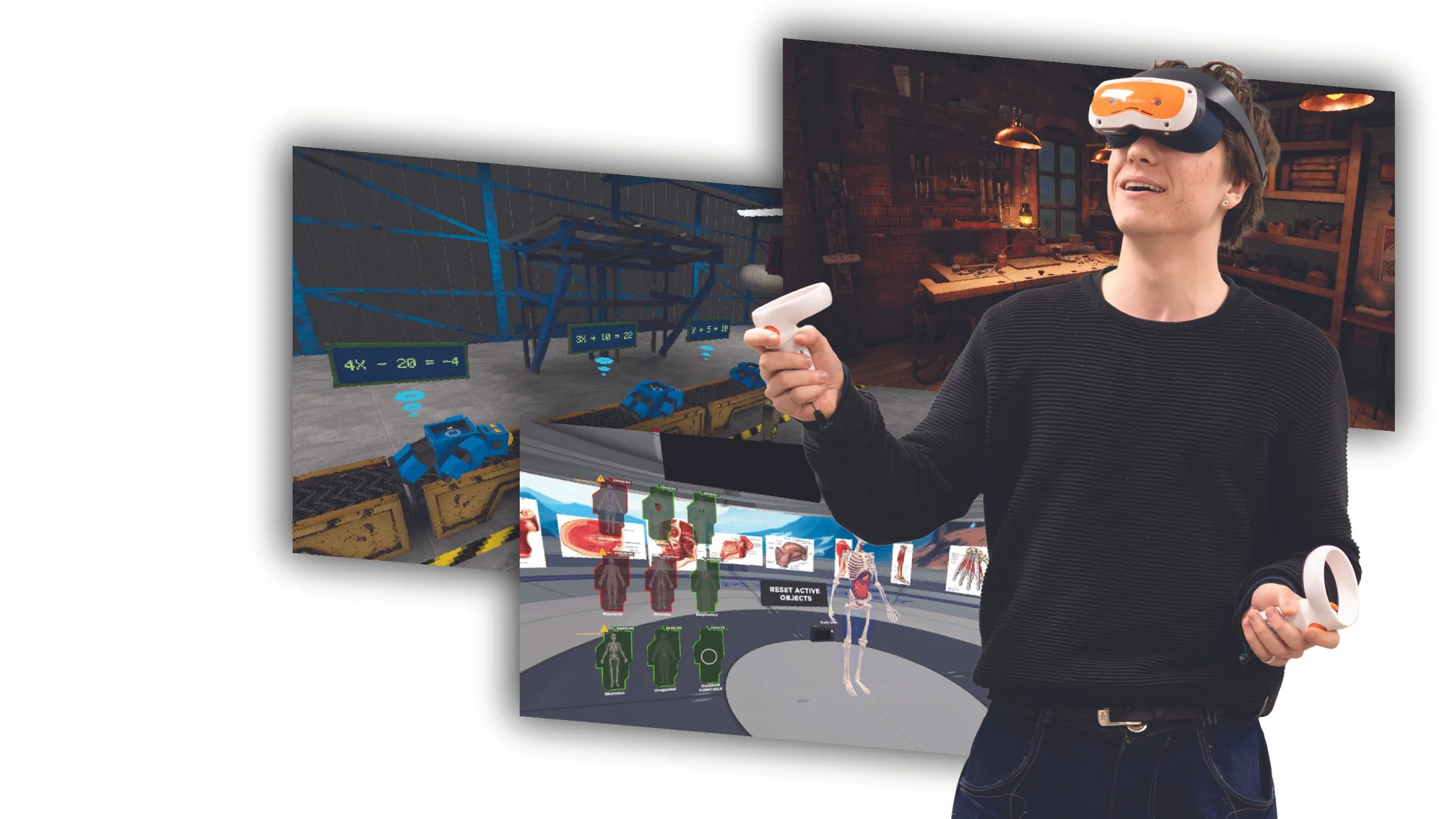
This edition focuses on Best STEM Learning Solution, a category that highlights technologies designed to enhance learning in science, technology, engineering, and mathematics. Entries should demonstrate how the solution supports critical thinking, problem-solving, creativity, and practical exploration.
What this category covers
This category celebrates solutions that bring STEM learning to life across schools, colleges, universities, and informal learning environments. Eligible entries include platforms, tools, and resources that help students build core STEM skills and apply concepts in meaningful ways.
Entries may include solutions for:
STEM curriculum design, delivery, and alignment to learning standards
digital and interactive STEM content
coding, robotics, and engineering projects
hands-on experimentation and virtual labs
data literacy, modeling, and simulation
AI-enhanced learning experiences
problem-based and inquiry-led learning
STEM enrichment, competitions, or extracurricular programs
Solutions must demonstrate measurable engagement or outcomes in STEM settings.
What judges will look for
Judges will assess whether the solution effectively develops core STEM competencies and supports educators and learners.
Entries should address:
the specific STEM challenge or learning need the product responds to
how the solution promotes critical thinking, creativity, or real-world problem-solving
the role of technology, including AI or simulation, in deepening understanding
evidence of measurable improvements in STEM engagement, confidence, or attainment
user feedback from students, educators, or program facilitators
how the solution supports diverse learners and broadens access to STEM
Strong submissions will combine evidence of learning impact with clear design rationale.
How to strengthen your submission
Entrants are encouraged to outline the research, curriculum alignment, or industry insights that shaped the solution. This allows judges to understand how the product addresses real STEM education needs.
Submissions will be strengthened by clear evidence of how the tool improves outcomes, supports teaching practice, or drives sustained engagement. Demonstrating how the solution integrates with broader STEM pathways or careers can further strengthen the case.
Feedback from educators, students, or institutional partners, including surveys, pilot findings, or case studies, will help illustrate effectiveness.
Why enter this category
Best STEM Learning Solution offers organizations an opportunity to highlight STEM-focused innovation at a time when global demand for digital, analytical, and engineering skills continues to grow. Shortlisted entries will be featured on edtechinnovationhub.com and across ETIH channels, reaching institutions, industry partners, and policymakers.
Entries are reviewed by an independent judging panel with expertise across STEM education, EdTech, and digital learning. Many entrants use the submission process to clarify their impact story and strengthen their evidence base.
How to enter
To enter, visit the categories page, select Best STEM Learning Solution, and complete the form. The entry deadline is Friday, 27 March 2026. The shortlist will be announced on Tuesday, 2 April 2026, and winners will be revealed on Monday, 27 April 2026.
Entry costs £80 per submission, or £150 for two or more entries. Payment can be made via our website. Once your entry form and payment have been received, confirmation will be sent by email.
For questions or further information, please contact Director of Content Emma Thompson.