MacArthur awards $100 million to Harvard and MIT-led Sentinel pandemic project

The MacArthur Foundation has awarded a $100 million grant to the Broad Institute of MIT and Harvard to support the continuation and expansion of Sentinel, a large-scale outbreak surveillance framework designed to detect and prevent pandemics through community-led approaches.
The funding, announced as part of MacArthur’s 100&Change competition, will provide multi-year support for Sentinel, a joint effort co-led by Pardis Sabeti at the Broad Institute and Christian Happi at the Institute of Genomics and Global Health at Redeemer’s University in Nigeria. The award positions Sentinel as one of the most highly funded global health surveillance initiatives to date, with implications for data science, AI-enabled monitoring, and public health education.
Scaling outbreak surveillance through local capacity
Sentinel focuses on strengthening early detection and response to infectious disease outbreaks by equipping local communities with tools, training, and data-driven systems. According to MacArthur, more than 3,000 public health workers from 53 of 54 countries in Africa have already been trained through Sentinel’s approach.
The new funding will support further development of Sentinel’s framework in Nigeria and Sierra Leone, while extending its reach to three additional African countries over the next five years. The goal is to shift outbreak response from reactive global intervention to locally led detection and containment.
John Palfrey, President at the MacArthur Foundation, says: “In a moment where investments in global public health are at risk, the Sentinel project will transform infectious disease surveillance and response through cutting-edge technology, global collaboration, and local empowerment. Infectious diseases kill millions of people every year, disrupt regional security and economic stability, and can escalate into global crises. Sentinel detects, prevents, and preempts outbreaks to save lives and strengthen global health security.”
Data, technology, and cross-disciplinary collaboration
Sentinel brings together researchers, technologists, and public health experts across institutions and regions. Among the contributors is Ben Fry, a Media Lab alumnus, lecturer in the MIT Department of Architecture, and founder of Fathom Information Design. Fry and his team have contributed data visualization work to the Sentinel project as part of the broader collaboration, according to a post shared by MIT Media Lab on LinkedIn.
The project combines epidemiology, genomics, data science, and local health infrastructure, reflecting a growing emphasis on technology-supported public health systems that rely on both advanced tools and community trust.
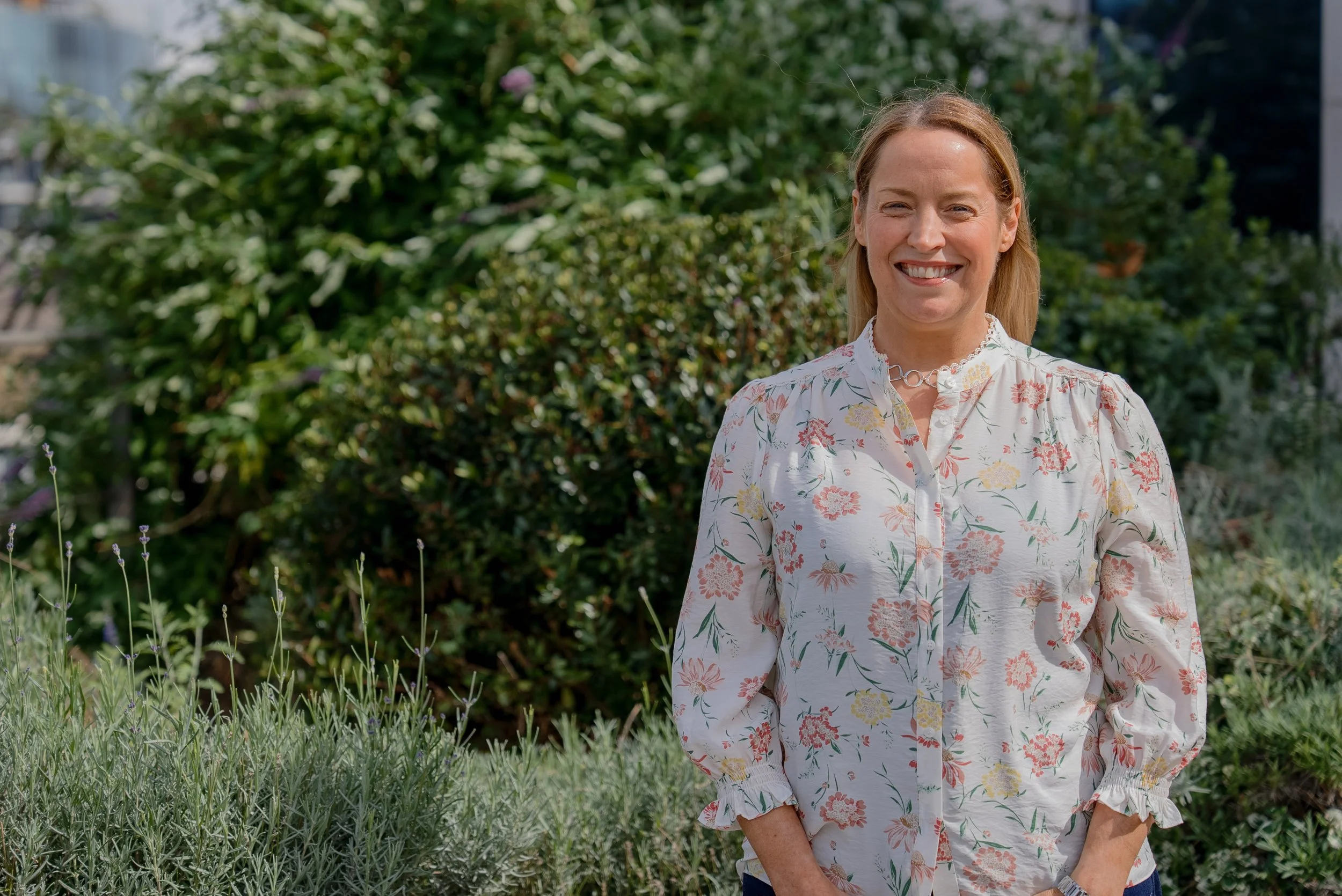
Pardis Sabeti, co-director of Sentinel and Institute Member at the Broad Institute, says: “We are deeply grateful to the MacArthur Foundation for this transformative investment. With this support, we can build a future where every community has the tools, knowledge, and power to detect and stop outbreaks before they spread. It’s an opportunity to show what’s possible when science, innovation, and a sense of solidarity come together to protect humanity.”
Global health leadership and long-term impact
Christian Happi, co-director of Sentinel and Director of the Institute of Genomics and Global Health at Redeemer’s University, emphasizes the importance of where leadership sits within the project.
“This investment affirms that solutions to global health challenges can be led from Africa,” Happi says. “Sentinel is about trust, collaboration, and building the systems that allow every country to respond swiftly and confidently to disease threats. With the MacArthur Foundation’s support, we can create lasting resilience together.”
Sentinel was selected from five finalists in the third round of the 100&Change competition, which aims to fund a single proposal capable of delivering measurable progress on a critical global challenge. Other finalists included the Organized Crime and Corruption Reporting Project, Pratham USA, Texas Children’s Hospital, and the Wikimedia Foundation.