OpenAI convenes labor leaders to address AI impact on jobs and skills
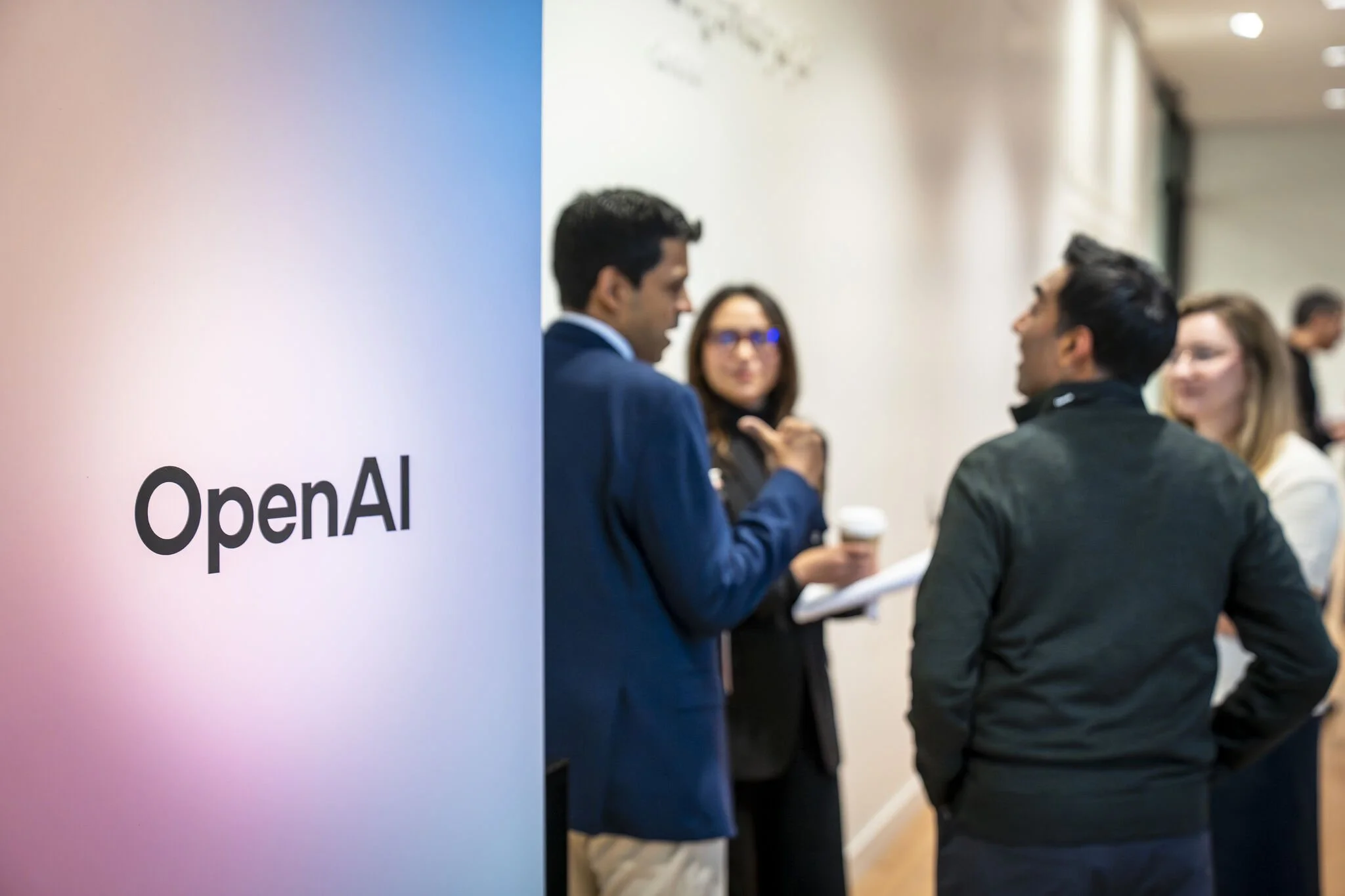
OpenAI convened labor leaders, policymakers, and workforce organizations in Washington, DC to examine how artificial intelligence is reshaping jobs, wages, and skills, signaling a shift from theoretical debate to real-world labor market impact.
The Worker Participation Forum, referenced in LinkedIn posts from OpenAI executives and participants, brought together representatives from unions, government, and workforce development groups, alongside OpenAI’s policy and economics teams.
Workers are already using AI for career and pay decisions
A central theme from the discussion was that workers are already using AI tools such as ChatGPT to navigate pay, job choices, and career decisions, particularly where reliable benchmarks are limited.
Reflecting on this shift, OpenAI Chief Economist Aaron Chatterji said: “the economic impact of AI will depend not just on what the technology can do, but on whether workers have the information and support they need to use it well.”
He pointed to how this is already playing out in practice, adding: “We are seeing that workers are already turning to ChatGPT for help understanding pay, earnings, and career options, especially in parts of the labor market where benchmarks are harder to find and uncertainty is high.”
Skills and participation take priority
The discussion also focused on how workers are approaching AI, with demand for training and skill development continuing to lead.
Chatterji emphasized this directly, stating: “We also know from our research on what workers want that training and skill-building remain the top priority.”
He added: “Workers are not just asking whether AI will change their jobs. They are asking how to adapt, how to build relevant skills, and how to participate in the upside.”
Ann O’Leary, Vice President of Global Policy at OpenAI, reflected on the session in a LinkedIn post, saying: “This week at OpenAI, we brought together labor leaders and workforce experts for a focused conversation about how AI is reshaping work, and what it will take to ensure that transformation benefits everyone.”
She set out what that requires in practice, adding: “That means investing in skills, strengthening partnerships between industry and labor, and ensuring workers have a real voice in how these tools are deployed.”
O’Leary also framed the urgency of the moment, stating: “Think big. Act now. Build for all.”
Collaboration and measurement move into focus
Participants also pointed to the need for better coordination and shared data to understand how AI is affecting the labor market in real time.
Chatterji highlighted this requirement, stating: “If we want to understand how AI is affecting workers in real time, we need stronger collaboration across government, unions, and companies.”
He added: “No single institution will have a complete view on its own.”
Ed Lada Jr., President and CEO at Goodwill Keystone, also reflected on the session in a LinkedIn post, saying: “Big thanks to OpenAI for inviting me to help facilitate a discussion around workforce development and AI as part of their Participation Ecomomy Forum in DC today.”
He added: “Got to learn and hear from some of the best policy and advocacy leadership across a large array of industries.”
The discussion signals a more coordinated approach to AI adoption, with government, labor, and industry increasingly working together to shape how the technology is deployed and how workers are supported.
ETIH Innovation Awards 2026
The ETIH Innovation Awards 2026 are now open and recognize education technology organizations delivering measurable impact across K–12, higher education, and lifelong learning. The awards are open to entries from the UK, the Americas, and internationally, with submissions assessed on evidence of outcomes and real-world application.