Microsoft expands quantum footprint in Denmark as Europe looks to close innovation gap
A new Microsoft quantum facility in Denmark signals growing alignment between Big Tech and Europe’s research ecosystem as the region looks to turn scientific strength into commercial advantage.
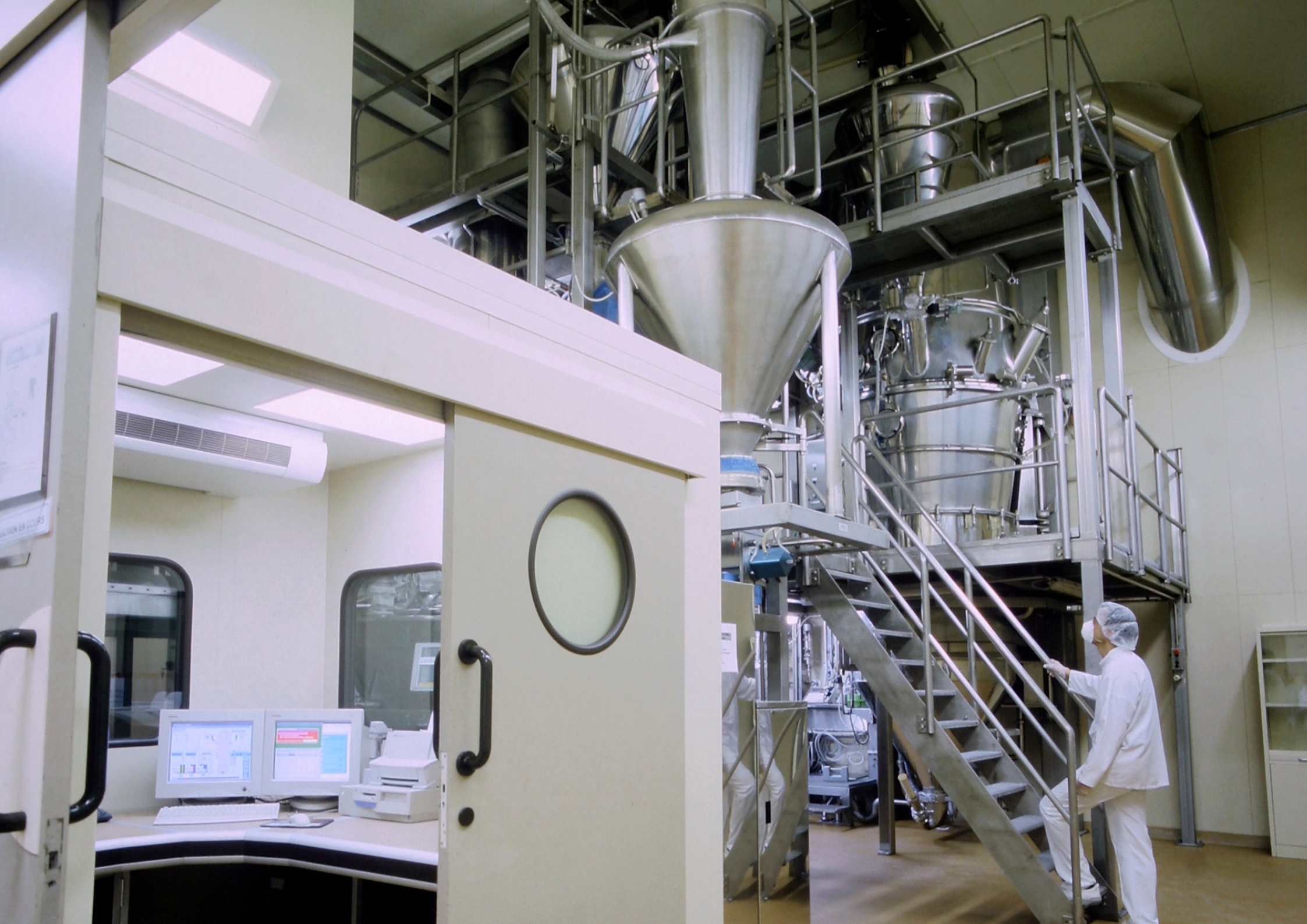
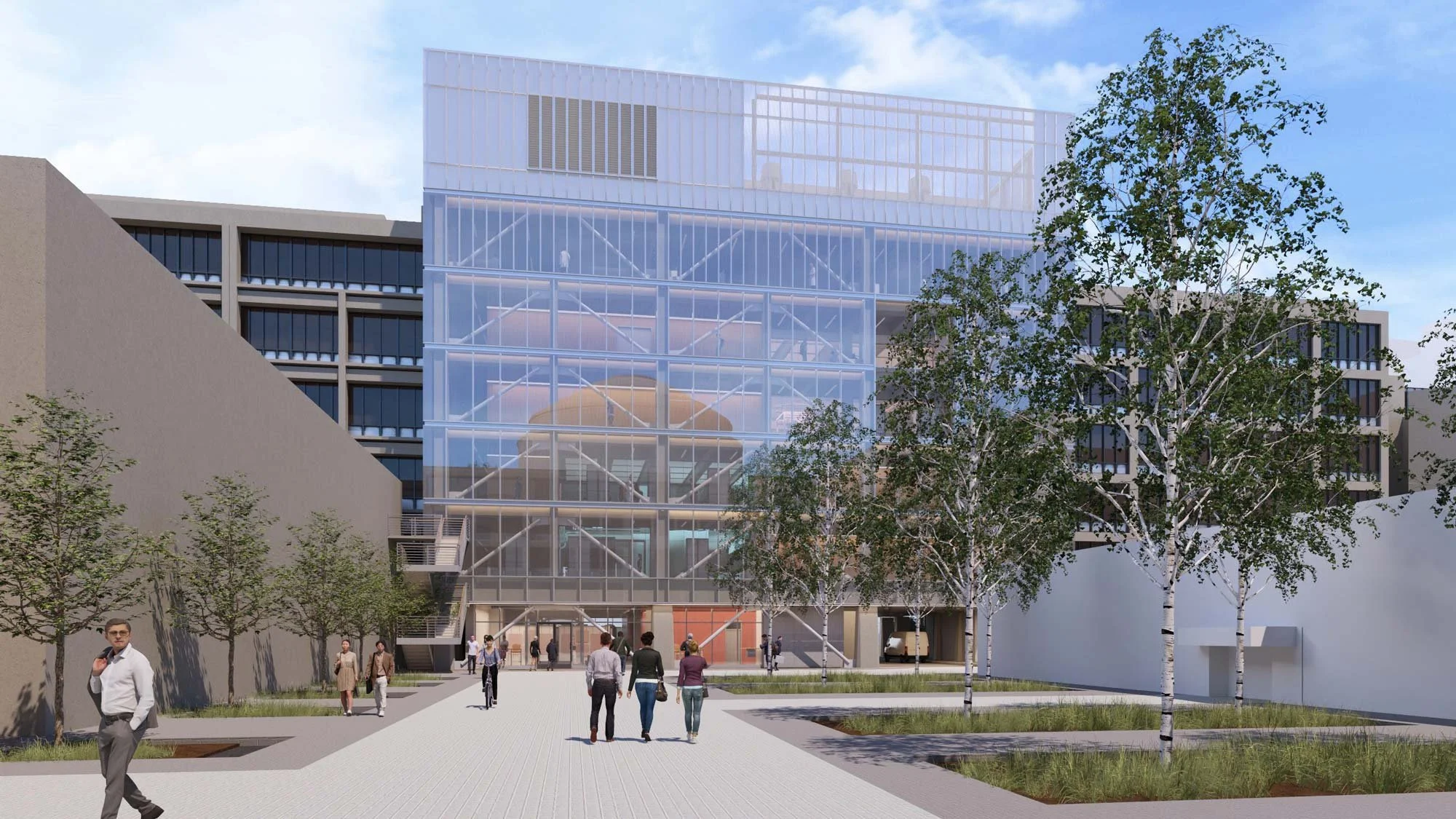
Microsoft has opened its largest quantum lab globally in Lyngby, Denmark, as the company expands its footprint in Europe’s emerging quantum ecosystem and strengthens collaboration with regional researchers and industry.
The move, highlighted in a LinkedIn post by Microsoft Ireland General Manager Catherine Doyle, underscores how global technology firms are positioning Europe as a key base for next-generation computing research, with implications for skills, talent pipelines, and the commercialization of deep tech innovation.
Doyle said: “Europe’s research and engineering talent continue to push the boundaries of what’s possible — and it’s exciting to see that momentum accelerate.”
She added that Microsoft’s new lab reflects how the company is working within Europe’s innovation ecosystem to help scale breakthroughs beyond the region.
The investment lands amid ongoing debate about Europe’s ability to translate strong academic research into commercial outcomes. While the region has a long history of scientific discovery, policymakers and industry leaders have increasingly pointed to structural gaps in funding, coordination, and scale.
Quantum computing is now emerging as a test case for whether Europe can close that gap.
Collaboration seen as critical to competitiveness
The Lyngby lab is led by Lauri Sainiemi, Corporate Vice President of Quantum Fabrication at Microsoft, and brings together specialists in physics, materials science, and engineering. The facility is designed to consolidate research, fabrication, and testing in one location, reducing development timelines and increasing coordination between teams.
Sainiemi said: “What motivates me most is the potential of the future applications. Quantum computing could help solve global challenges, from carbon capture to clean water and energy. As a father of two young children that matters to me.”
He also pointed to structural challenges in Europe’s innovation model, particularly around fragmentation and funding.
“We need to collaborate to be competitive,” he said. “If every country tries to build everything on its own, we will spend our resources solving the same problems. And without the right funding mechanisms, European companies cannot grow at the pace we see elsewhere.”
That view is echoed at a policy level. Anne-Marie Engtoft Meldgaard, Denmark’s tech ambassador, said: “We are at a remarkable moment for quantum technology.”
She added: “If Europe wants to stay at the forefront, we need continued high political ambitions, larger investments and a clearer path from lab research to real-world applications.”
From research strength to commercial pressure
The new lab forms part of Microsoft’s longer-term investment in Denmark, where the company has spent more than DKK 1 billion on quantum research over two decades. The site focuses on developing topological qubits, a core component of Microsoft’s quantum roadmap.
The facility also integrates AI into hardware development, with adaptive systems monitoring fabrication processes and supporting faster iteration cycles.
Beyond Microsoft, activity is accelerating across the European quantum ecosystem. Initiatives such as QuNorth are preparing to provide researchers and businesses with access to next-generation quantum systems, signaling a shift from theoretical research toward applied use cases.