TED, Khan Academy, and ETS move into higher education with new AI-focused institute
A new collaboration introduces a skills-based, AI-integrated model for higher education, with employers directly involved in shaping outcomes.
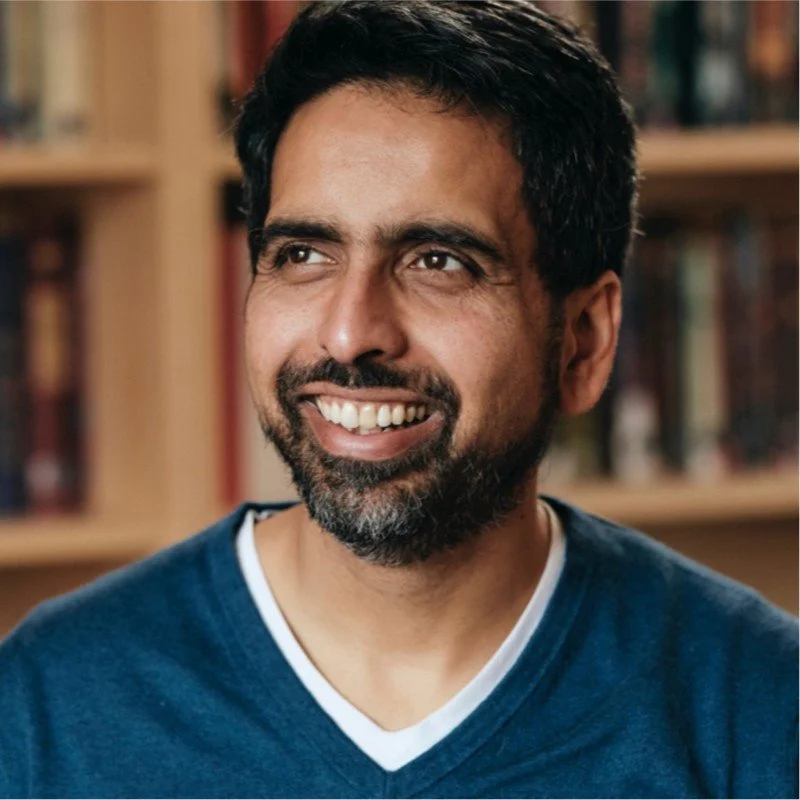
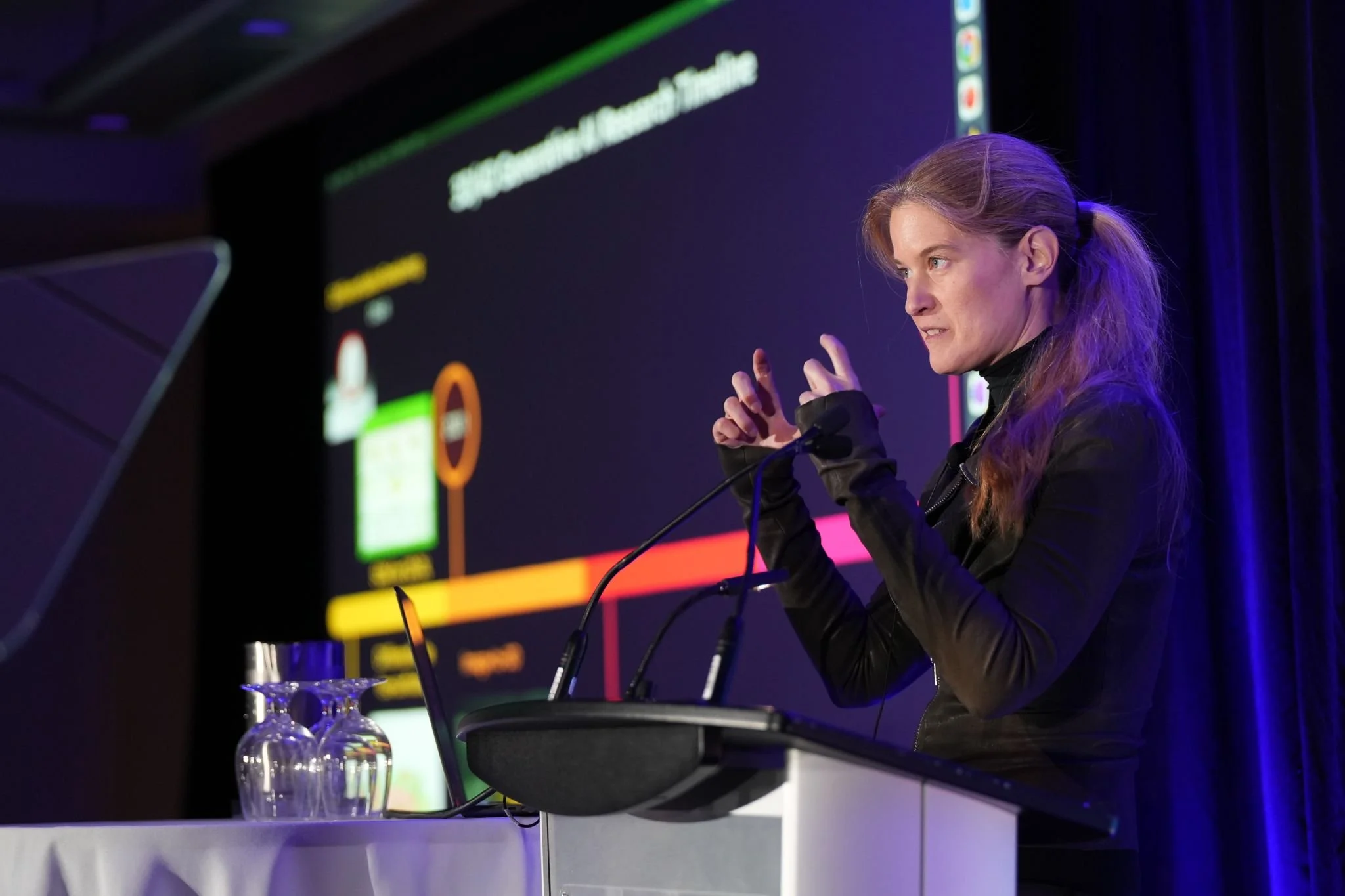
Sal Khan, Founder and CEO of Khan Academy. Credit: Sal Khan
TED, Khan Academy, and ETS have announced plans to launch the Khan TED Institute, a higher education initiative built around artificial intelligence, skills measurement, and employer-defined competencies.
The announcement, made at the TED2026 conference in Vancouver, sets out a model based on competency progression, applied AI learning, and direct links to workforce requirements.
Applications are expected to open within 12 to 18 months, with the program positioned as an additional pathway into AI-related roles.
Competency replaces seat time in program design
The Khan TED Institute will assess students based on demonstrated competency rather than time spent in education, allowing learners to progress at their own pace while completing defined skill benchmarks.
The program is structured across three areas: academic foundations, applied AI, and communication and leadership. This includes mathematics, computer science, economics, and writing, alongside practical AI tasks such as building agents, developing applications, and completing team-based projects.
The model connects learning more directly to outcomes, with assessment tied to what students can demonstrate rather than course completion alone.
Sal Khan, Founder and CEO of Khan Academy and TED Vision Steward, says: “We’re at a moment when education and the world are evolving quickly, and people need new ways to learn, build and demonstrate their capabilities.”
He adds: “Khan Academy’s mission has always been to make world-class education accessible to all. The Khan TED Institute is an extension of that vision to higher education, creating new paths that help more people find meaningful ways to contribute to the world around them.”
Employers help define curriculum and outcomes
The institute is being developed with input from corporate partners including Google, Microsoft, Accenture, Bain & Company, McKinsey & Company, and Replit. These partners will contribute to both curriculum design and the definition of competency benchmarks, linking learning outcomes to employer expectations.
Amit Sevak, CEO of ETS, says: “What’s inspiring is learning that leads to real-world opportunity.”
He adds: “This collaboration helps open new pathways into the AI economy where skill-based measurement becomes the critical link between learning and livelihood.”
This structure places employers inside the design process rather than outside it, with a focus on how skills are defined and validated.
Content, community, and assessment combined
The institute combines Khan Academy’s learning platform, TED’s content and network, and ETS’s assessment capabilities into a single delivery model. Students will engage with content, complete structured learning, and participate in discussions, talks, and peer collaboration, linking theory to application.
Logan McClure Davda, CEO of TED, says: “For nearly 40 years, TED has been connecting people with powerful ideas — and in the process, quietly educating millions.”
He adds: “At a time when learning is changing quickly, we now need new ways to help people engage with ideas, develop judgment, and apply what they learn. The Khan TED Institute is an effort to expand what education can look like in the age of AI.”
Applications are expected to open within the next 12 to 18 months.