Oxford Saïd to launch executive program on leadership in the age of AI and global disruption
The £9,500 program, led academically by Dr Chris Moos, will combine five days in Oxford with four live online sessions and is aimed at senior executives navigating technological, geopolitical and organizational change
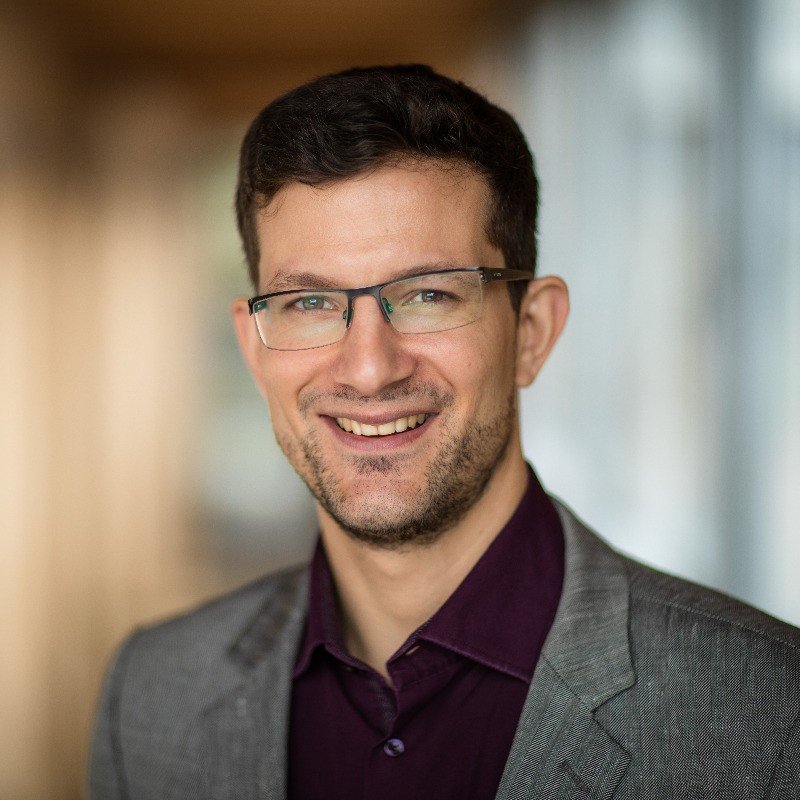
The Oxford Programme for Leading in the Age of AI and Global Disruption is academically led by Dr Chris Moos and begins in June 2027
Saïd Business School at the University of Oxford is launching a new executive education program focused on leadership amid AI and wider global disruption, with its first cohort due to begin on June 21, 2027.
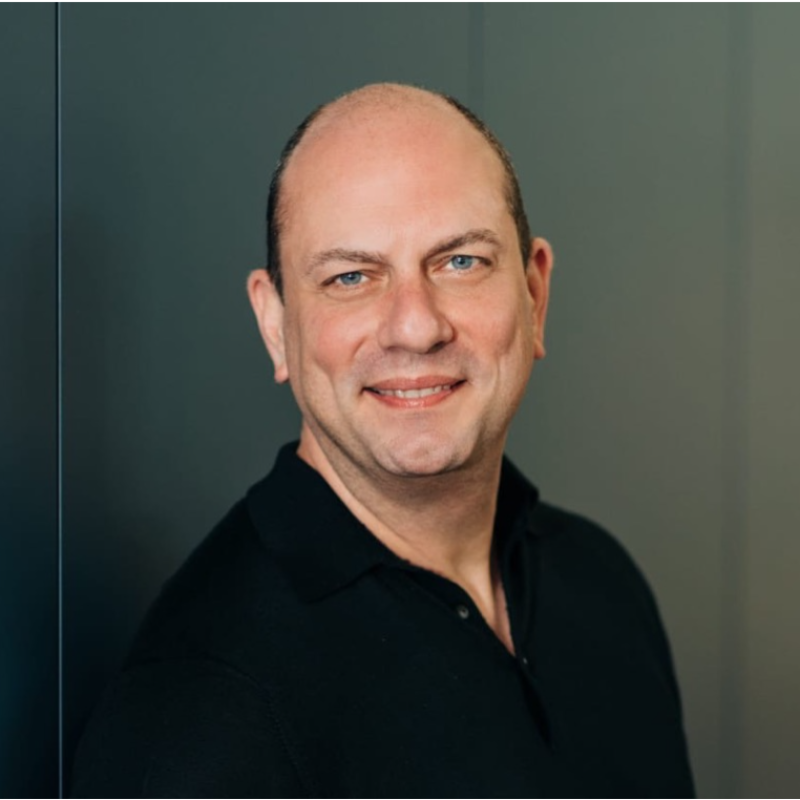
The Oxford Programme for Leading in the Age of AI and Global Disruption will be led academically by Dr Chris Moos, a University of Oxford lecturer whose teaching and research focus on leadership, organizational complexity and strategic decision-making.
Rather than concentrating on AI technology itself, the program is designed around the decisions executives face as technological, geopolitical, economic, environmental and societal pressures increasingly interact. AI sits prominently within that mix, alongside developments including robotics, quantum computing and human-machine integration.
That gives the course a notably different emphasis from executive AI programs centered on tools, technical capabilities or implementation. Its stated focus is the leadership context those technologies are creating, including how executives make judgments under uncertainty, organize teams, assess opportunities and communicate decisions when information remains incomplete.
Writing on LinkedIn about the program, Moos said: “This is deliberately not another AI programme about the technology. It's about the context in which executives now lead - and AI is rewriting that context: what counts as sound judgement, who counts as an expert, how organisations are governed and designed.”
He added that “Quantum computing, robotics and human-machine integration are close behind,” alongside geopolitical and social change that does not arrive in isolation.
From systemic disruption to boardroom decisions
The program is structured to move from large-scale disruption through organizational strategy and ultimately to individual leadership.
Its ten modules begin with AI, global disruption and climate change before moving into strategic opportunities, scenario planning, organizational redesign, strategic alignment, talent and human capabilities, complexity, resilience and executive and boardroom leadership. A final capstone is intended to bring those areas together.
Participants will prepare before the Oxford component by identifying the disruptions affecting their organization, industry and leadership context. During the program, faculty-led discussions, simulations, case studies, guest speakers and peer work will be used to examine how those forces interact and what they mean for strategy and organizational alignment.
Follow-up online discussions will then focus on applying the material to participants' own organizations.
Moos described the underlying premise more directly: “Most leadership training assumes a stable world with occasional shocks. From my research and years in the executive classroom, I think the assumption now has to run the other way.”
The program is therefore pitched at executives already carrying substantial organizational responsibility rather than as a general introduction to leadership or AI.
Oxford lists the intended participants as senior executives and enterprise leaders who set organizational strategy, lead major business units or cross-functional teams, report to or sit on boards and executive committees, and are accountable for performance and stakeholder confidence. It also identifies leaders dealing directly with AI, geopolitical change or regulatory disruption as part of the target group.
AI is one part of a wider leadership curriculum
Technology runs through the program, but the curriculum stops short of positioning technical AI knowledge as its central outcome.
Instead, Oxford says participants will work on anticipating disruption, assessing its implications and opportunities, designing organizations around those opportunities, aligning people and teams, and acting with confidence and resilience.
Its stated benefits include stronger judgment when weighing risks and trade-offs, a greater ability to make sense of interacting disruptions and improved organizational alignment. These are program aims rather than measured outcomes from an existing cohort, since the first program does not begin until June 2027.
Moos's background also reflects the course's broader leadership focus. He has spent a decade teaching executives and postgraduate students at Oxford and currently teaches across Executive Education, the MBA, MSc in Global Healthcare Leadership, MSc in Major Programme Management, Diploma in Organisational Leadership and Diploma in Artificial Intelligence for Business.
His research focuses on CEOs and senior executives, leadership amid complexity and paradox, and how organizations respond to competing demands. Before academia, he worked in the energy sector in Germany and as a management consultant with Deloitte in Mexico, specializing in leadership and organization design.
The new program brings those areas together around what Oxford describes as a period of “normal disruption,” where leaders face multiple forces at once rather than a sequence of isolated shocks.
“This programme is not about reacting to disruption. It's about how you can lead through it, and turn deep uncertainty into your advantage,” Moos wrote on LinkedIn.
Five days in Oxford, plus live online sessions
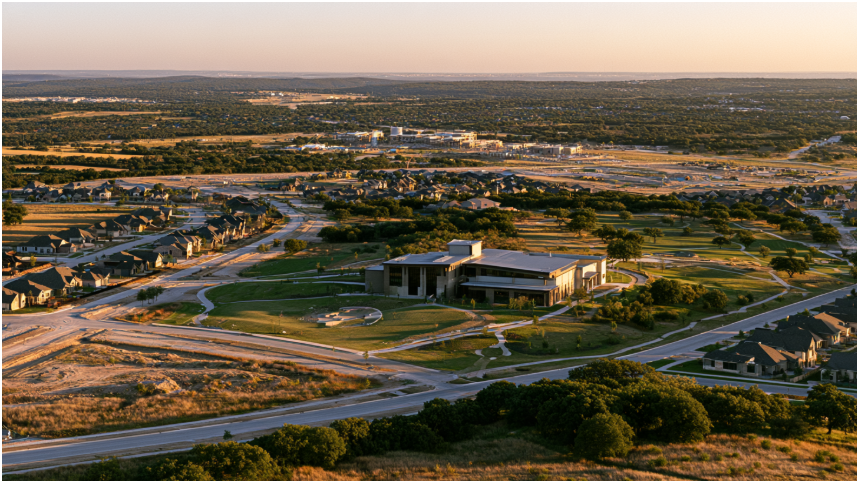
The Oxford Programme for Leading in the Age of AI and Global Disruption will include five days at the Global Leadership Centre in Oxford and four live online sessions.
The Global Leadership Centre is the business school's purpose-built space for executive education, convening and residential learning. Accommodation is available through learner bedrooms at the center.
The program is priced at £9,500, with accommodation costing a further £1,000.
Its first start date is June 21, 2027, and Oxford is currently offering prospective participants the option to register their interest.