ETIH Weekly Roundup: 70% of US teens use AI for schoolwork, GCSE gaps and Lovable’s $400m raise
ETIH’s weekly roundup brings together the biggest EdTech, AI, schools, research, funding and careers stories from last week.
AI in education dominated much of ETIH’s coverage last week. New research raised questions about how teenagers and AI tutors are actually using generative AI, while Google, OpenAI, CodeAI, UT Austin and Medly all featured in stories spanning learning tools, AI literacy, student outcomes and responsible use.
We also looked at GCSE results and England’s changing mobile phone policies, major funding for Lovable, NASA career pathways, Google’s student hackathon and a senior digital appointment at the University of Sydney.
Here are the stories to catch up on from last week:

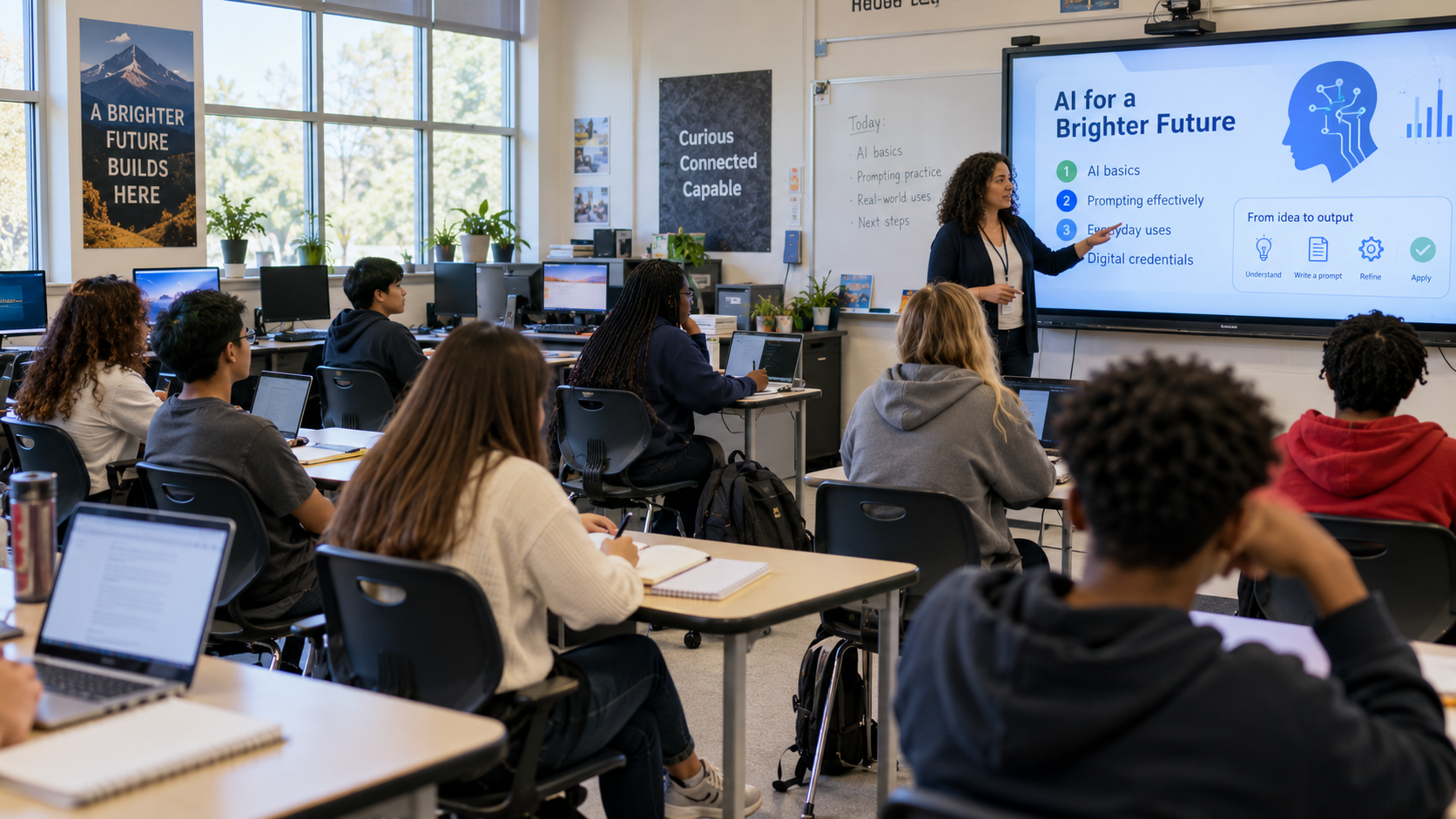
70% of US teens use AI for schoolwork as classroom AI literacy lags
Common Sense Media’s nationally representative study of 1,017 US teenagers found that AI is already embedded in schoolwork, with 70% using it. Yet only 27% said a teacher had discussed what AI is or how it works, highlighting a gap between adoption and formal AI literacy.
AI models gave students answers in 97% of unprompted tutoring tests, Comprendo finds
Comprendo tested six frontier AI models across 779 simulated eighth-grade algebra conversations. Without specific tutoring instructions, models gave students the answer in 97% of conversations, while prompting improved restraint but exposed trade-offs between diagnosing misconceptions and withholding solutions.
Medly AI trial finds significant GCSE science gains across all three subjects
An independently evaluated randomized controlled trial found students using Medly AI made significantly more progress than those completing their usual self-directed revision. The four-week study recorded positive effects across Physics, Chemistry and Biology, with an overall effect size of 0.33.
CodeAI and OpenAI partner on AI literacy, student building and responsible use
CodeAI and OpenAI will work together over the next year on the Hour of AI, a high school Builders Challenge, AI Foundations resources and a joint advisory council focused on responsible AI use, child development and learning science.
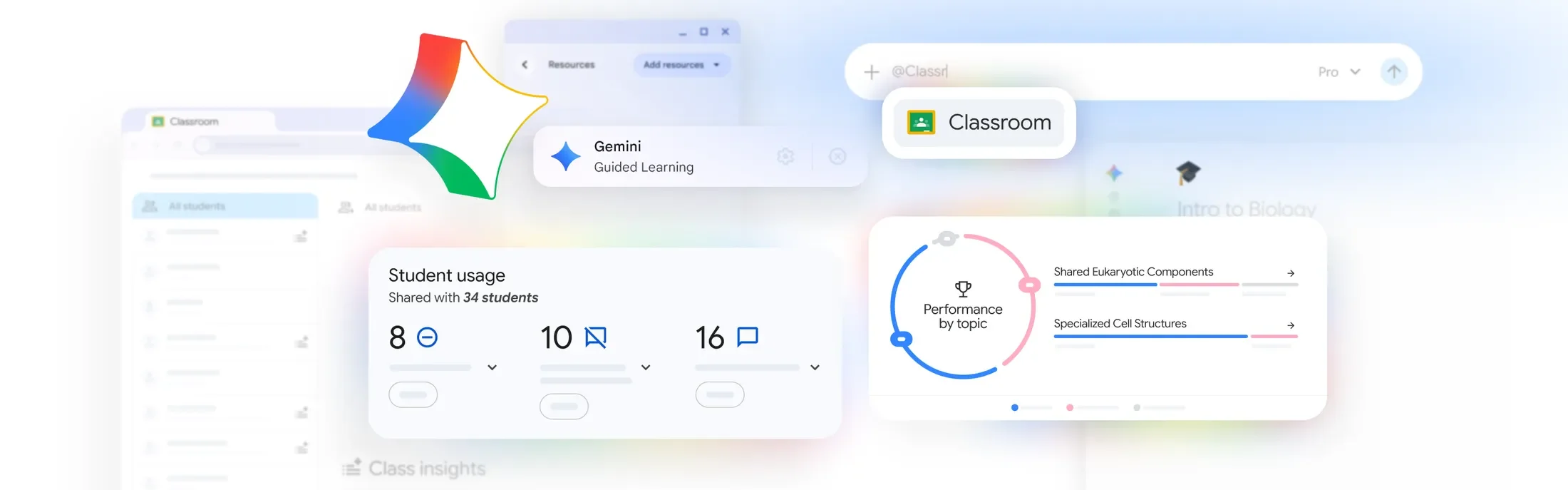
Google gives college students a free year of AI plans as Gemini and Search add study tools
Eligible US college students can claim Google AI Pro for 12 months at no cost, while students in more than 140 markets outside the US can access Google AI Plus for a year. Google is also expanding quizzes, notebooks, interactive visuals and step-by-step learning tools.
UT Austin brings ALIGN AI literacy resources online for US schools
The Texas Advanced Computing Center at The University of Texas at Austin has created a central online home for ALIGN, combining educator professional learning, district planning, classroom AI literacy resources, Cyber+AI workshops and state-level policy work.
UK government starts AI summer bootcamp for North West school leavers
Young people across North West England have begun AI training through the government’s TechFirst AI Apprenticeship Pathway. Delivered by IN4 Group, the program combines AI skills development with apprenticeship opportunities from employers including JD Sports and Heinz.

KORA benchmark finds no significant safety difference between child and adult AI modes
KORA evaluated 19 child and adult variants of 12 consumer AI products across 14,839 simulated conversations. It found no statistically significant overall safety difference between matched child and adult modes, while 41% of conversations across the benchmark were rated as failing.
GCSE results 2026: London records 30.2% top grades as England's regional gap reaches 11 points
National GCSE outcomes were broadly stable, but the underlying data showed larger differences by region, gender and subject. London recorded 30.2% of results at grade 7 or above among 16-year-olds, compared with 19.0% in the North East.
41% of secondary teachers in England say schools are changing mobile phone policies for September
Teacher Tapp data from 6,873 teachers found that 41% of secondary respondents said their school was changing its mobile phone policy for the new academic year, compared with 13% of primary teachers, following new guidance favoring phone-free school environments.

NASA offers students five routes into technical and space careers
NASA’s upcoming virtual and in-person programs span four Space centers and an early-careers session, introducing students to pathways in robotics, engineering, propulsion, manufacturing, internships and technical careers that do not always require a four-year degree.
UK university students build RoomQuest and MeetSpot at Google Gemini AI hackathon
Google selected 52 participants from more than 900 applicants for its UK Student AI Hackathon in London. University students used the Gemini API to build working prototypes including RoomQuest, an AI-generated escape-room game, and MeetSpot, a group journey-planning tool.

Lovable raises $400 million at $13.3 billion valuation as projects reach 60 million
Lovable has raised a $400 million Series C led by Menlo Ventures, with EQT’s Scaleup Europe Fund as co-lead. The AI software company says users have created more than 60 million projects since its November 2024 launch.

University of Sydney appoints Josh Roberts as Chief Information and Digital Officer
Josh Roberts will take charge of the University of Sydney’s wider technology and digital direction in September after leading its Digital Sydney transformation program. His background spans almost 20 years across higher education, digital services, data and government technology.
Get ETIH news delivered to your inbox
Sign up for the ETIH daily newsletter to receive the latest EdTech, AI, funding, research, appointments and industry news directly in your inbox.