CodeAI and OpenAI partner on AI literacy, student building and responsible use
The organizations will spend the next year working on the Hour of AI, a new high school Builders Challenge, classroom resources and a joint advisory council focused on responsible AI in education
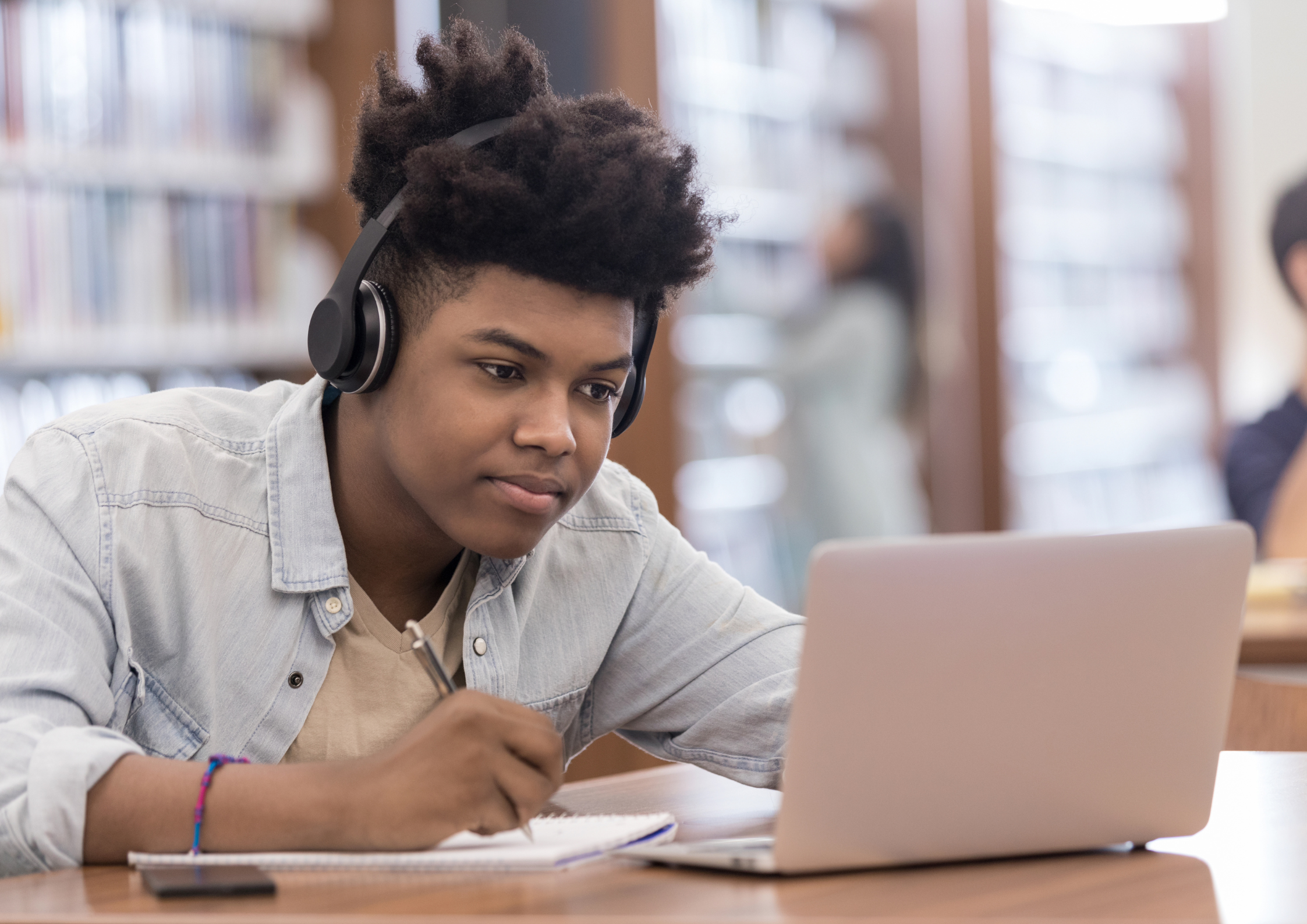
CodeAI and OpenAI will work together on student AI literacy, classroom learning and programs that give high school students opportunities to build with AI
CodeAI and OpenAI have formed a partnership that will combine student AI literacy programs with technical learning, teacher support and a new advisory council focused on responsible AI in education.
The work is set to run across several programs over the next year. OpenAI will support CodeAI's Hour of AI, contribute expertise to its year-long AI Foundations high school course and provide mentors for CodeAI's first Builders Challenge. The organizations will also create a joint advisory council bringing together specialists in child development, youth public policy and learning science.
The partnership is not being framed simply around giving more students access to generative AI. CodeAI is putting technical understanding and critical judgment at the center of the program, including teaching students how AI systems work, where they can fail and when their outputs should be questioned.
The distinction is particularly visible in the figures CodeAI uses to make its case. It points to data showing that only 16% of high school leaders say all of their students are learning the technical knowledge needed to understand AI in the classroom. Separately, CodeAI says its own research found that 75% of high school students believe understanding AI will be more important for their futures than it is today.
“Every student should know how AI actually works and be able to question the technology, catch its mistakes, and know when to stop trusting it,” says Karim Meghji, CEO of CodeAI. “Give them that foundation, and AI becomes less a force shaping their future and instead something they can question, shape, and create on their own.”
From using AI to understanding how it works
One of the clearest parts of the partnership is its emphasis on moving beyond basic prompting.
In a LinkedIn post announcing the partnership, Meghji described CodeAI as taking a “glass box” approach, where students can examine the systems behind AI rather than treating them as tools whose workings remain hidden.
He wrote that students should be able to “peer under the hood, learn how these systems work, better identify bias, learn when to question these systems, and understand their limitations.”
For OpenAI, the partnership also places critical thinking alongside AI use.
“Our goal is not simply to help more students use AI, but to help them ask better questions, think critically about the answers they receive, and use these tools responsibly,” says Dr. Allison Fine Mishkin, Head of Child Development at OpenAI. “We look forward to working alongside CodeAI, parents, and educators to learn, improve, and help young people build those skills.”
The organizations say the Hour of AI will introduce millions of students to the basics of using AI thoughtfully and responsibly.
OpenAI will also act as a resource for CodeAI as it continues developing AI Foundations, its free, year-long high school course. The support will draw on OpenAI expertise in AI systems, safety and responsible use, although the announcement does not specify particular changes that will be made to the course as a result.
High school students get a Builders Challenge and OpenAI mentors
The partnership also gives students opportunities to build with AI rather than only study or use existing systems.
CodeAI's first Builders Challenge will be open to high school students, who will be able to create projects with AI, receive mentorship from OpenAI team members and showcase their work alongside the teachers supporting them.
Further eligibility requirements, dates and application arrangements for the challenge were not included in the announcement.
A separate Career Journeys component will introduce students to OpenAI researchers, engineers and other leaders, with the aim of showing how people working in the field use and develop AI.
Alongside those student-facing programs, the new advisory council will provide ongoing guidance on emerging risks, responsible AI practices and changing educational needs. Its membership has not yet been announced, beyond CodeAI's statement that it will include experts and leaders from child development, youth public policy and learning science.
The organizations also place a clear boundary around the role of AI in learning. CodeAI says students should learn to create with AI without accepting its responses at face value, while recognizing that the technology should support, rather than replace, guidance from teachers, families and other trusted people.
The first programs covered by the partnership will take place over the next year, including the Hour of AI and CodeAI's inaugural Builders Challenge.