Google opens 2026 climate R&D awards with funding of up to $500,000 per project
Researchers have until September 25 to apply for projects spanning carbon removal, methane abatement, biochar, mangroves, wetlands and next-generation CO2 capture

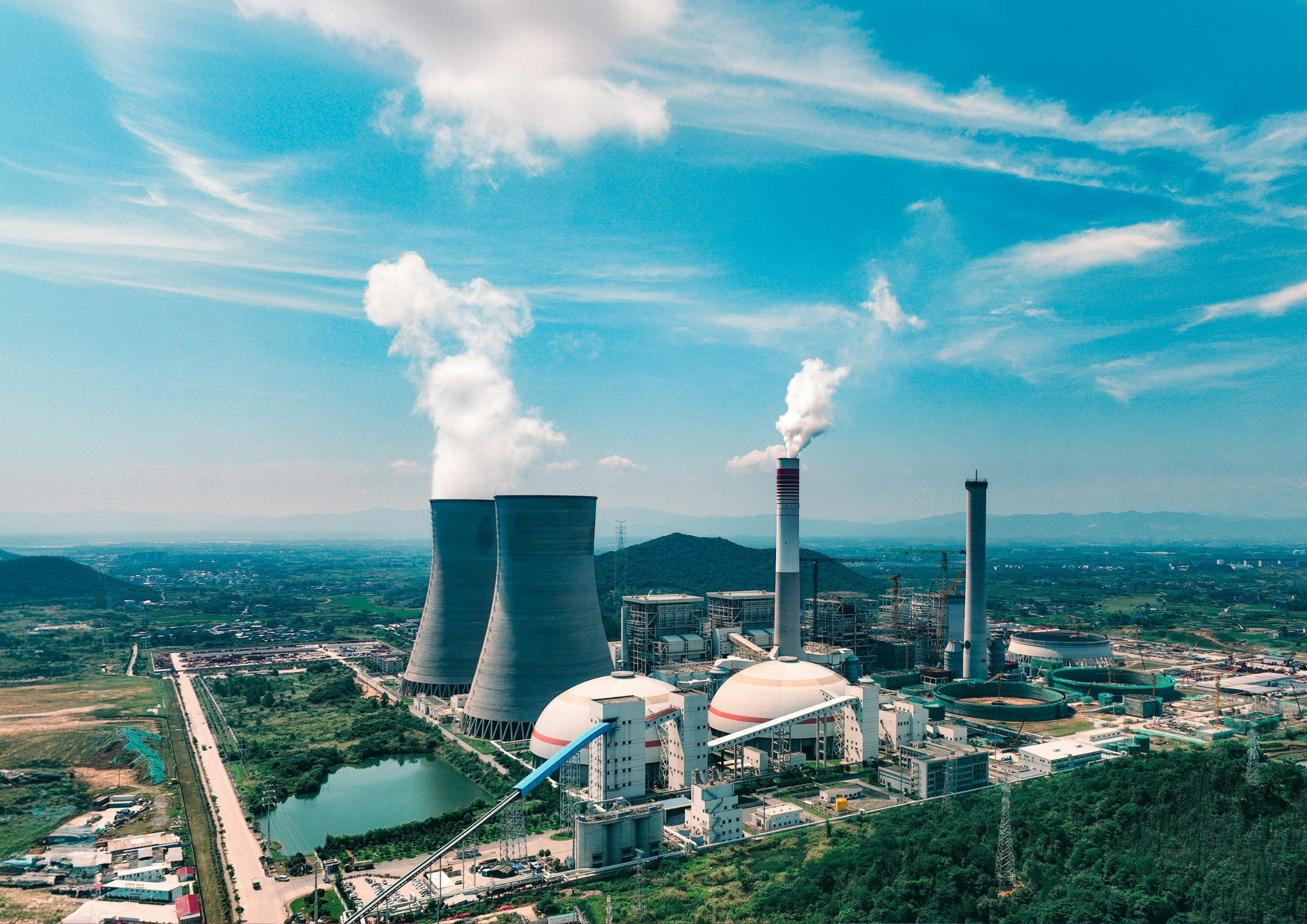
Google is offering research funding across carbon removal, methane abatement, CO2 capture and nature-based climate technologies
Google has opened applications for its 2026 Carbon Removal and Superpollutant Elimination R&D Awards, offering research funding of up to $500,000 for individual projects tackling carbon dioxide removal and high-impact climate pollutants.
The program is open to researchers at universities, research institutions, nonprofit organizations, social enterprises and businesses, with applications closing September 25, 2026. Successful applicants are expected to receive funding by December 31.
Google is seeking work that can either increase confidence in the climate impact of a mitigation strategy or help move it toward much larger-scale deployment. Eligible projects can range from academic and field research to engineering prototypes, modeling, data analysis, literature reviews and meta-analyses.
The funding call covers 11 priority research areas alongside a broader open category for projects addressing other bottlenecks in carbon removal or superpollutant abatement.
Funding targets methane, carbon capture and nature-based removal
The largest individual awards, worth up to $500,000, are available for research into methane abatement in diffuse emission streams and for work designed to improve estimates of how long methane remains in the atmosphere.
Google says methane has contributed around 30%, or approximately 0.5°C, of global warming since the preindustrial era. One of the calls focuses on technologies capable of treating highly dilute methane streams from sources such as ventilation air, dairy barns and landfill gas.
Another asks researchers to improve understanding of atmospheric methane removal mechanisms, including the role of hydroxyl and chlorine radicals.
Carbon capture is also a major part of the program. Projects exploring next-generation capture systems for Bioenergy with Carbon Capture and Storage facilities can apply for up to $400,000. Google is particularly interested in alternatives to conventional liquid amine systems, including solid sorbents and Metal-Organic Frameworks that could reduce the energy required for CO2 capture.
A separate call offers up to $450,000 for technologies designed to tackle the high energy demands of capturing CO2 from low-concentration or atmospheric sources.
Ocean Alkalinity Enhancement receives two dedicated funding streams. Up to $450,000 is available for a field-based project examining environmental and ecological effects, while another project can receive up to $400,000 to investigate how the approach could scale beyond current coastal deployments.
Biochar, mangroves and perennial crops included
Several awards focus on land use and nature-based carbon removal. Google is offering up to $450,000 for research into producing biochar from underused sources such as municipal solid waste, sewage sludge and non-woody crop residues.
Mangrove restoration has its own $350,000 research area, aimed at improving how projects account for sea-level rise, changing sediment conditions and the ability of restored ecosystems to continue storing carbon over time.
Another award of up to $400,000 will examine how land productivity affects leakage, additionality and durability across projects including reforestation, agroforestry and mangrove restoration.
Tidal wetlands are also included. Up to $450,000 is available for work examining how restoration can maximize carbon storage while limiting methane emissions.
Google Climate & Sustainability is leading a separate call focused on perennial crops, including grains, oilseeds and pulses. Up to two projects can receive as much as $400,000 each, creating a combined maximum of $800,000 for work spanning crop genetics, field-scale agronomy and carbon and emissions measurement.
The program also includes up to $450,000 for developing and validating methane monitoring models for smaller landfill systems.
Researchers whose work falls outside the priority areas can apply through an open call offering up to $450,000 for projects capable of advancing carbon removal or the abatement of pollutants including methane, nitrous oxide, ozone-depleting substances and fluorinated gases.
Applications must show clear outcomes and open research plans
Applicants can submit one proposal to each research area and can apply to a maximum of two different areas.
The principal investigator is expected to lead the proposed project, with one co-principal investigator permitted. Both must meet the eligibility requirements.
Applications require a research proposal and CV, submitted together as a single PDF. Proposals are limited to five pages for projects with one principal investigator and six pages where a co-investigator is included.
Google is asking applicants to set out expected outcomes, methodology, quarterly milestones, previous relevant work, budgets and any conflicts of interest. They must also explain how they plan to share the results with the wider research community.
The company says it prefers projects that intend to publish findings, make datasets available or contribute other research and innovations publicly.
Google will distribute successful awards as unrestricted gifts to universities and degree-granting research institutions, while other organizations will receive funding through sponsorship agreements.