Kamilė Lukošiūtė joins OpenAI Foundation to build cyber resilience workstream
The former GovAI researcher and Cisco AI scientist joins as Program Officer, bringing a research background spanning AI cyber misuse, security evaluations and frontier model risk
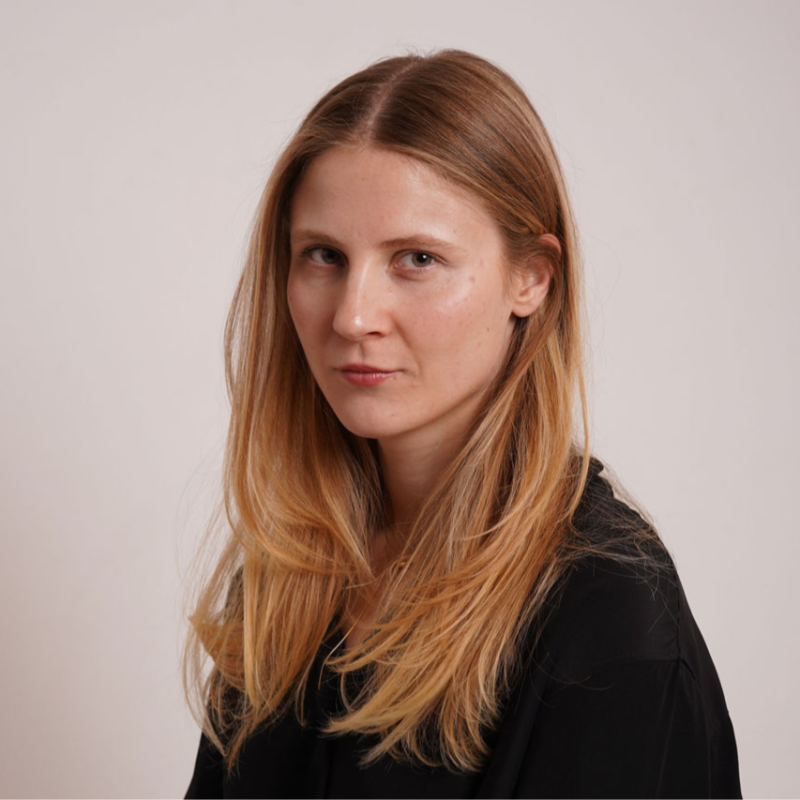
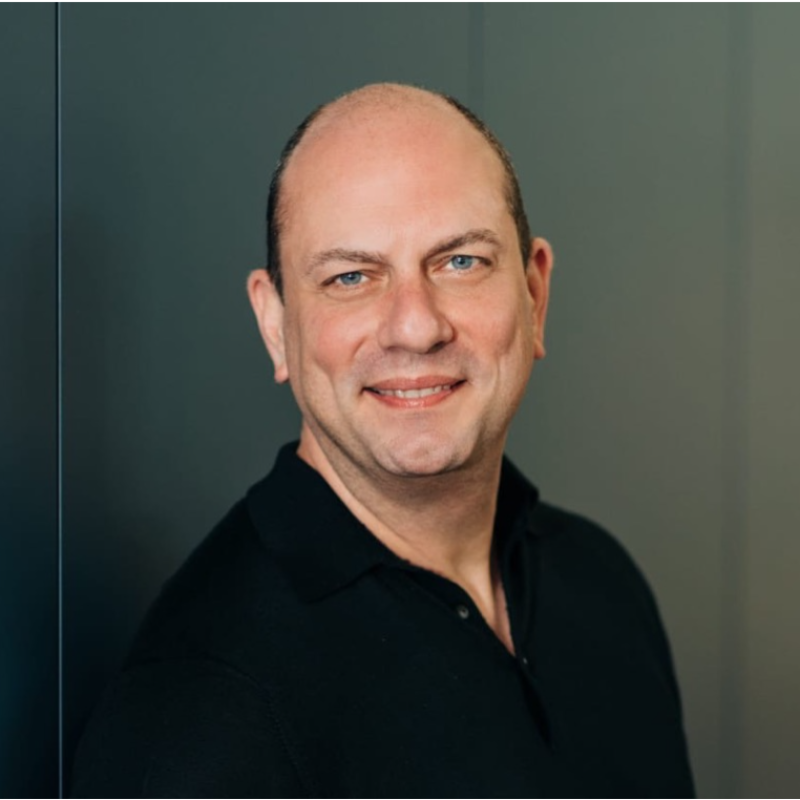
Kamilė Lukošiūtė has joined the OpenAI Foundation to build its cyber resilience workstream
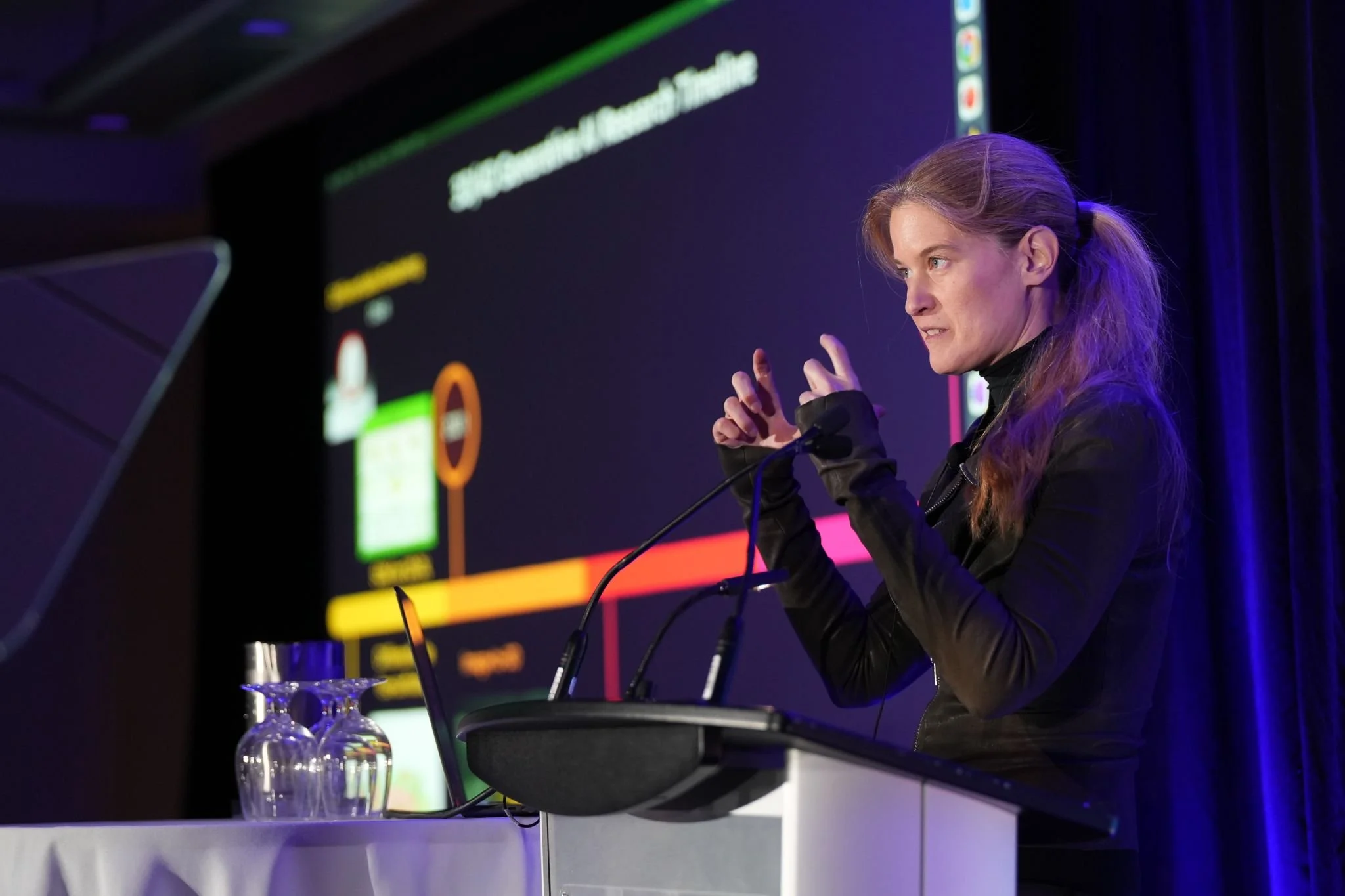
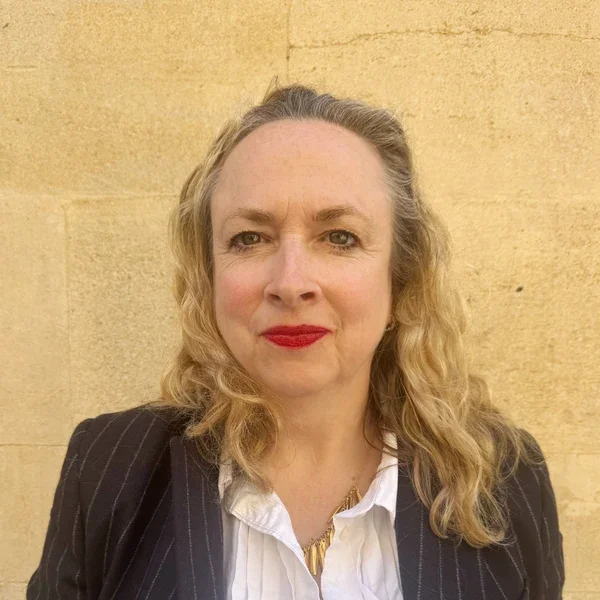
Kamilė Lukošiūtė has joined the OpenAI Foundation as a Program Officer, where she will build its cyber resilience workstream following a year researching AI-related cyber risks at GovAI.
Lukošiūtė joined the Foundation in July 2026 and announced the move on LinkedIn this week. Her new work will focus on strengthening cyber resilience as increasingly capable AI systems change both the threats facing critical infrastructure and the defenses available to protect it.
The appointment brings a researcher with experience across GovAI, Cisco, Robust Intelligence and Anthropic into the Foundation at a time when her own work has increasingly focused on what happens as advanced AI becomes more useful for cyber operations.
“We need to build the next generation of controls and deploy them to the infrastructure we all depend on,” Lukošiūtė wrote on LinkedIn, pointing to payments, energy, water and medicine among the systems reliant on computing.
She also made a distinction between her new employer and the AI company sharing the OpenAI name.
“The Foundation is incredibly well-placed to support this work. To be clear, the OpenAI Foundation is a separate entity from OpenAI, the company that builds models; I hold no equity in the PBC. The Foundation is a 501(c)(3) whose sole purpose is making sure AI benefits humanity,” she wrote.
From AI cyber risk research to resilience
Lukošiūtė moves to the Foundation from GovAI, where she worked as a Research Scholar from August 2025.
Her research there focused on cyber misuse risks from AI, including how extreme misuse scenarios could inform model evaluations, capability thresholds and safeguards for frontier systems.
Earlier this year, she co-authored research with John Halstead and Luca Righetti that sought to establish a baseline for the global economic cost of cybercrime. The work surveyed 27 estimates and combined evidence from UK business victimization data, a US survey of individual victims and global cybersecurity spending.
The researchers estimated annual cybercrime damages at around $500 billion, comprising approximately $200 billion in individual direct losses, $200 billion in business direct losses and response costs, and another $100 billion in defense spending. They gave the estimate a 90% confidence interval of $100 billion to $1 trillion.
That baseline was designed partly to help assess when AI-enabled increases in cybercrime could become large enough to trigger additional risk mitigations under frontier AI safety frameworks.
Her work has also examined how quickly cyber capabilities are spreading beyond closed frontier AI systems.
In February, Lukošiūtė argued that open-weight models were around three to six months behind leading closed models on available capability measures and could soon become sufficiently capable for offensive cyber operations. She called for greater investment in defenses that do not depend on AI developers retaining visibility into how their models are being used.
That argument put resilience, rather than trying to control access to capable models indefinitely, at the center of her proposed response. She wrote that defenses would need to include stronger protection for likely targets, AI-powered defensive tools designed around operational constraints, and detection systems that do not rely solely on model providers.
Experience across Anthropic, Robust Intelligence and Cisco
Before GovAI, Lukošiūtė worked in AI security at Cisco and at Robust Intelligence, which was acquired by Cisco in October 2024.
Her earlier work also included a residency at Anthropic between 2022 and 2023. Before moving into AI research, she studied physics, completing an MSc at the University of Amsterdam after a BA in Physics from Wellesley College. She began a PhD focused on machine learning for theoretical physics at the University of Amsterdam before leaving the program in 2022.
Her published work has repeatedly returned to the question of how AI security should be measured in real-world conditions. A January 2025 paper co-authored with Adam Swanda argued that existing LLM cyber evaluations could miss operational risk by concentrating too heavily on model performance rather than threat-actor behavior and real-world consequences.
That background now feeds into the new cyber resilience workstream at the OpenAI Foundation.
Lukošiūtė said the broader goal has been a personal focus since leaving her physics PhD in 2022, writing that ensuring AI benefits humanity had been her “core motivation” since that point.
At the Foundation, she will work alongside Lennart Heim, Yonadav Shavit, Wojciech Zaremba and others as the cyber resilience workstream takes shape.