Virginia Tech adopts universitywide human-centered AI vision
The U.S. university will build AI fluency, ethical responsibility and human judgment into its approach to teaching, research and campus technology
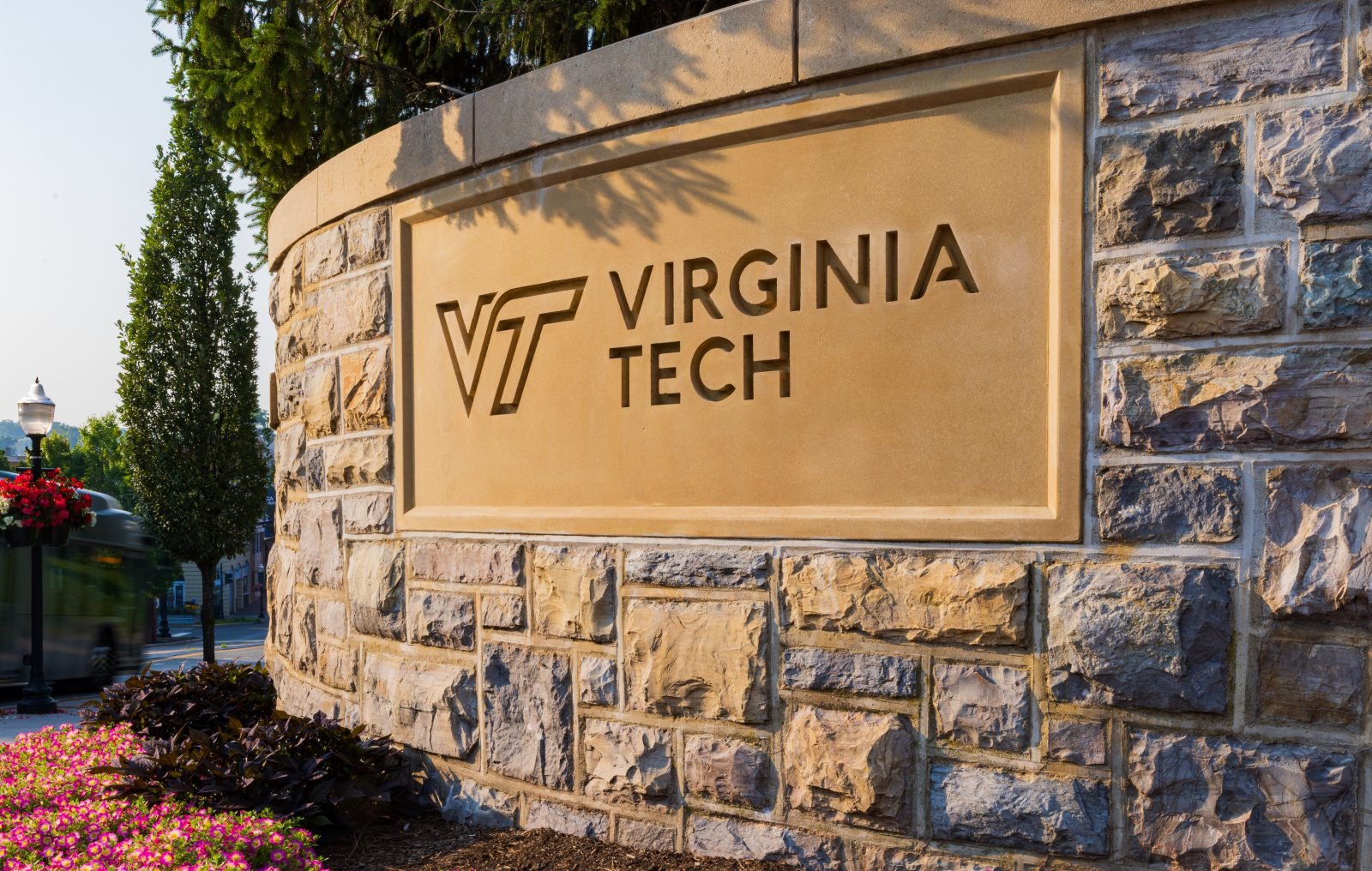
Virginia Tech has adopted a universitywide vision for human-centered and responsible use of artificial intelligence
Virginia Tech has adopted a university wide vision for artificial intelligence that puts human judgment, AI fluency and ethical responsibility at the center of how the institution plans to teach, research and use the technology.
The new framework was developed by the university's AI Futures Working Group, convened by Virginia Tech President Tim Sands to set a direction for AI across the institution. It covers students, faculty and staff, with new tools, strategies and opportunities to support the approach due to be announced in the coming months.
Rather than treating AI primarily as a technical initiative, Virginia Tech is tying its approach to its land-grant mission and its motto, Ut Prosim, meaning “That I May Serve.”
Sands says AI should strengthen, rather than displace, the skills the university wants students to develop: “AI has the potential to enhance the impact of human creativity and the value of human-centered skills such as adaptability, communication, critical thinking, leadership, and collaboration.
“These skills are best advanced in a residential campus environment with guardrails, guidance, and interdisciplinary flexibility, and our engaging presences in the communities we serve. Hokies are ideally positioned to lead us into an AI-enabled future.”
AI fluency becomes part of the university's direction
The vision commits Virginia Tech to building what it describes as a culture of AI fluency and ethical responsibility, while giving its community space to question how the technology should be used as well as learn how to use it.
Its institutional statement says the university wants students, faculty and staff to be able to “interrogate, steward, and harness” AI as it shapes how people learn, work and live.
That gives the framework a broader brief than simply increasing access to AI tools. The university is positioning judgment about when and how those tools are used as part of the skill set itself.
Warren Dixon, Dean of the College of Engineering and co-chair of the AI Futures Working Group, says: “Our work at Virginia Tech is to provide a cultural framework around AI so that faculty, staff, and students embrace AI as an enabler to enhance human capability while preserving the values, creativity, and judgment that make our communities strong.”
The working group is deliberately cross-disciplinary. Dixon leads it alongside Rishi Jaitly, Professor of Practice and Distinguished Humanities Fellow in the Center for Humanities, bringing engineering and humanities perspectives into the same universitywide discussion.
Members also span business, performing arts, technology-enhanced learning, information technology, strategic affairs, computer science and higher education research.
Among them are Dale Pike, Associate Vice Provost for Technology-Enhanced Learning; Sharon Pitt, Vice President for Information Technology and Chief Information Officer; and Naren Ramakrishnan, Director of the Sanghani Center for Artificial Intelligence and Data Analytics and AI and machine learning lead at the Institute for Advanced Computing.
Sarah Rodriguez, an Associate Professor and 2026 Microsoft AI Economy Institute Fellow, is also part of the group.
Teaching and human judgment remain central
Virginia Tech's stated approach is built around the idea that AI should support human capability rather than become the end point of the university's technology strategy.
Jaitly says the institution's history and service mission give it a basis for thinking about AI through that lens.
“We’re living through ‘future of’ times, during which weighty questions about the future of learning, leadership, and so much more are in the air,” he says.
“I’m proud that, at Virginia Tech, our heritage and history offer us the opportunity to center humanity as we contemplate the role of AI in our service mission.”
The university's Office for Strategic Affairs is facilitating the working group and connecting its work with views gathered from the wider Virginia Tech community through the institution's continuing strategic planning process.
That gives the vision a universitywide remit covering not only classroom use, but research, institutional deployment and Virginia Tech's wider public-service responsibilities.
The next stage will move from the vision into practice. Virginia Tech says it will announce tools, strategies and opportunities in the coming months to help faculty, staff and students use AI in line with the new framework.