Common Sense Media to test ChatGPT for Teens over learning and safety concerns
The Youth AI Safety Institute will assess homework safeguards, parental alerts and customizable voices after previously rating ChatGPT “High Risk” overall

Common Sense Media’s Youth AI Safety Institute plans to test ChatGPT for Teens across learning safeguards, parental alerts and personalized voice settings
Common Sense Media’s Youth AI Safety Institute is preparing an independent risk assessment of ChatGPT for Teens, with researchers focusing on whether its new learning safeguards, parental alerts and customizable voices work as intended for under-18 users.
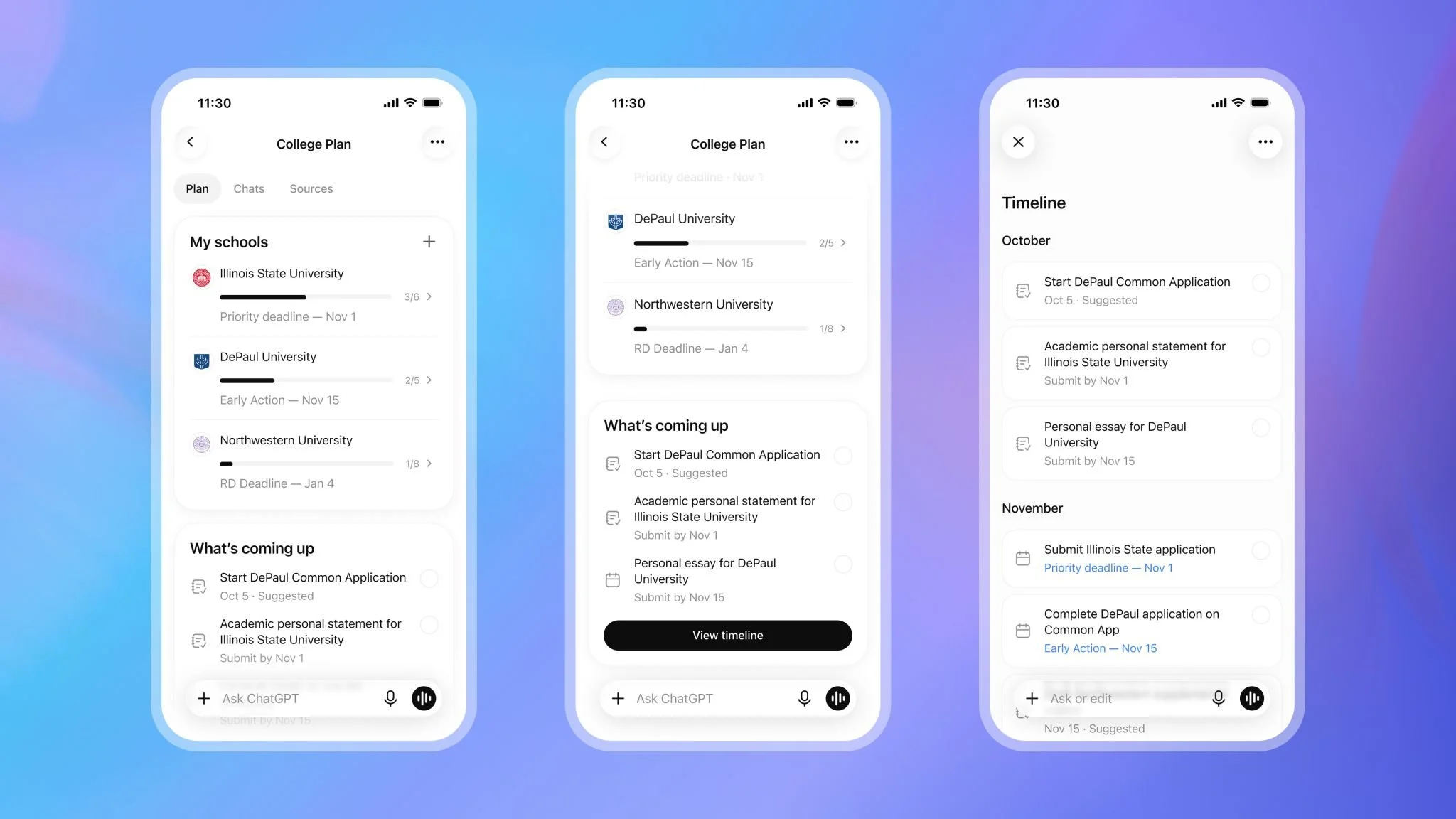
OpenAI’s new teen experience activates automatically when ChatGPT knows or suspects that a user is under 18. It includes additional study tools and content safeguards, expanded parental controls and restrictions intended to stop the chatbot presenting itself as a human relationship.
Common Sense Media has not yet completed testing of the updated experience and says it will publish a full assessment in the weeks ahead.
The scrutiny follows its previous evaluation of ChatGPT, which rated the product “High Risk” overall and “Unacceptable Risk” for mental health support.
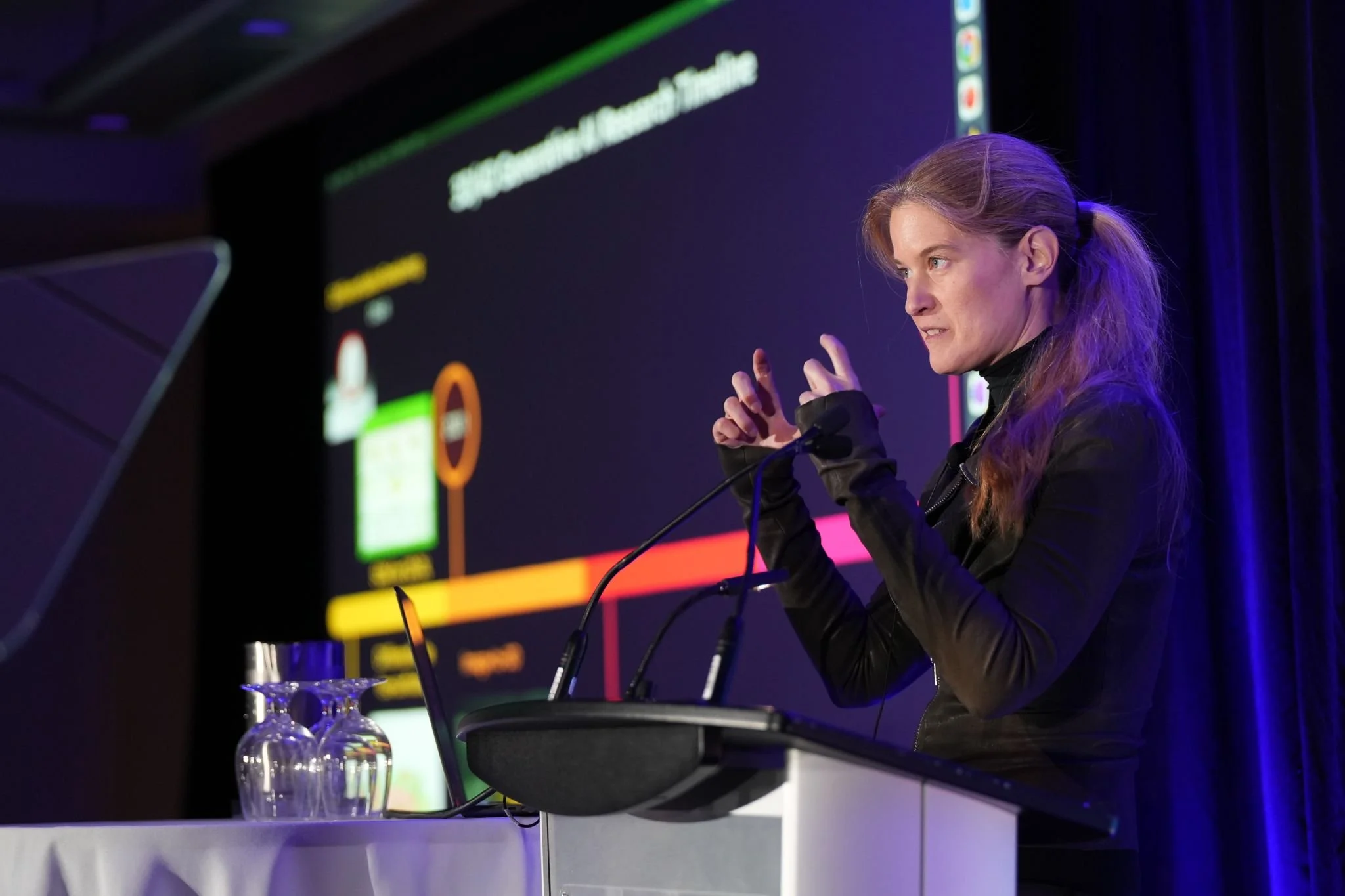
Jenny Radesky, a developmental behavioral pediatrician and researcher with the Youth AI Safety Institute, has also singled out ChatGPT for Teens’ customizable voice and personality options for closer examination.
Writing on LinkedIn, she said the voice modes were her “biggest concern,” pointing to options including Professional, Friendly, Candid, Quirky and Cynical.
Radesky questioned whether different styles could affect teenagers’ confidence in their own ideas, motivation or emotional attachment to the chatbot. She also called for OpenAI to assess whether particular voices produce more compulsive or dependent patterns of use.
Homework safeguards will be tested for workarounds
One focus will be OpenAI’s Responsible Homework Reminder. The feature is designed to recognize when a teenager appears to be using ChatGPT to shortcut an assignment and direct them toward step-by-step support rather than simply supplying the answer.
Common Sense Media describes that as a positive goal, but wants to test whether students can bypass the intervention within the same conversation or obtain an answer by changing mode or using ChatGPT while logged out.
Accuracy will also form part of the assessment. ChatGPT for Teens includes learning visualizations intended to make difficult concepts easier to understand. Common Sense Media points to a previous OpenAI example involving the ideal gas law where, it says, the visualization did not correctly show how the variables affected one another.
Robbie Torney and Radesky write that partially incorrect educational content can be particularly difficult for students to identify because it may appear convincing while giving them the wrong understanding of an underlying concept.
The Institute also plans to examine how much responsibility the new experience places on teenagers to decide between obtaining an answer and working through a problem.
Parental alerts face practical testing
OpenAI has expanded safety notifications for linked parent and teen accounts.
Parents can now be notified about conversations involving disordered eating, in addition to existing alerts concerning self-harm. OpenAI has also said under-18 safety evaluations will begin appearing in its model system cards.
Common Sense Media wants more evidence on how those protections perform outside controlled examples. Its planned assessment will look at how reliably OpenAI identifies teen users, including people who are logged out or have supplied a false age, and how quickly notifications reach linked parent accounts.
The researchers also want information on how widely parent and teen accounts are actually being linked and how frequently safety systems fail to trigger an alert.
Torney and Radesky write: “These features are well intentioned, but we need additional transparency and external testing to confirm that they perform as intended.”
Their concerns draw partly on previous research into parental controls on social platforms, which they say are often poorly understood or not adopted by families.
Custom voices put emotional engagement under the microscope
The third area centers on how personal ChatGPT for Teens is allowed to become. Teen users can change aspects of the chatbot’s appearance and communication style, including accent colors and the base style and tone of its voice.
OpenAI says the experience is intended to feel personal without “blurring the line between a useful tool and a human relationship.”
Its updated under-18 Model Spec also says ChatGPT should not use romantic language, encourage emotional dependence or suggest that it possesses consciousness or feelings.
Common Sense Media plans to test how those restrictions interact with conversational styles designed to be warm, friendly, encouraging, playful or otherwise personalized.
On LinkedIn, Radesky questioned several of the available modes individually. On the Professional setting, described as “Polished and precise,” she asked whether an authoritative-sounding response could reduce teenagers’ trust in their own ideas and answers.
She also raised concerns that encouraging language could provide external reinforcement where young people need to develop intrinsic motivation, while a playful and imaginative voice could increase emotional attachment.
Her reaction to the Cynical option, described as “Critical and sarcastic,” was more straightforward: “just, no thanks.”
The forthcoming evaluation will consider whether these personalization features create greater emotional engagement and how that affects teenage users.
Common Sense Media’s Youth AI Safety Institute says it will publish its full risk assessment of ChatGPT for Teens once testing is complete, with the results expected in the weeks ahead.