University of Washington opens first full-time base on Microsoft campus as GIX moves to Redmond
The 48,500-square-foot facility becomes the permanent home of the Global Innovation Exchange, backed by a $42 million in-kind contribution from Microsoft
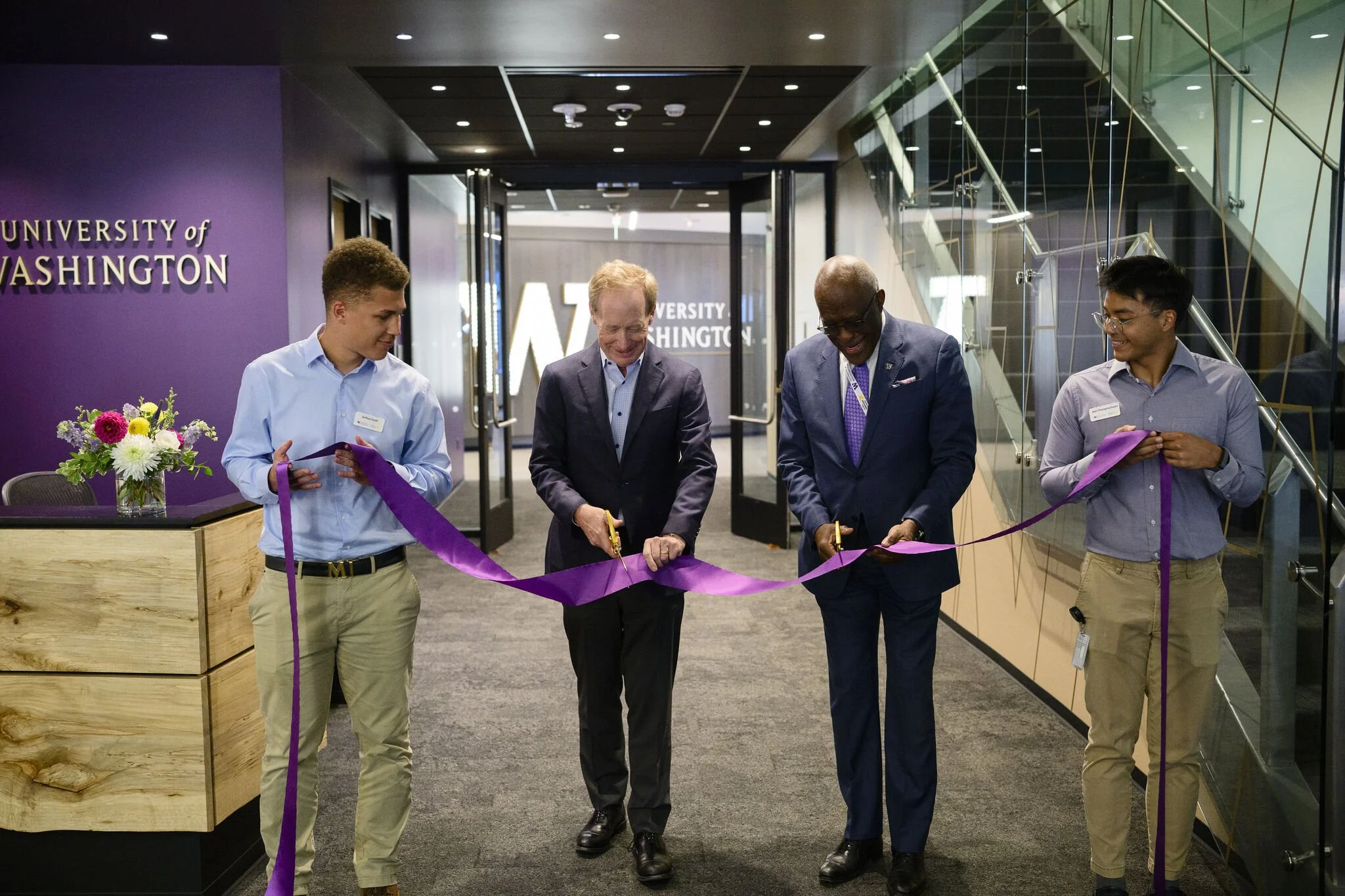
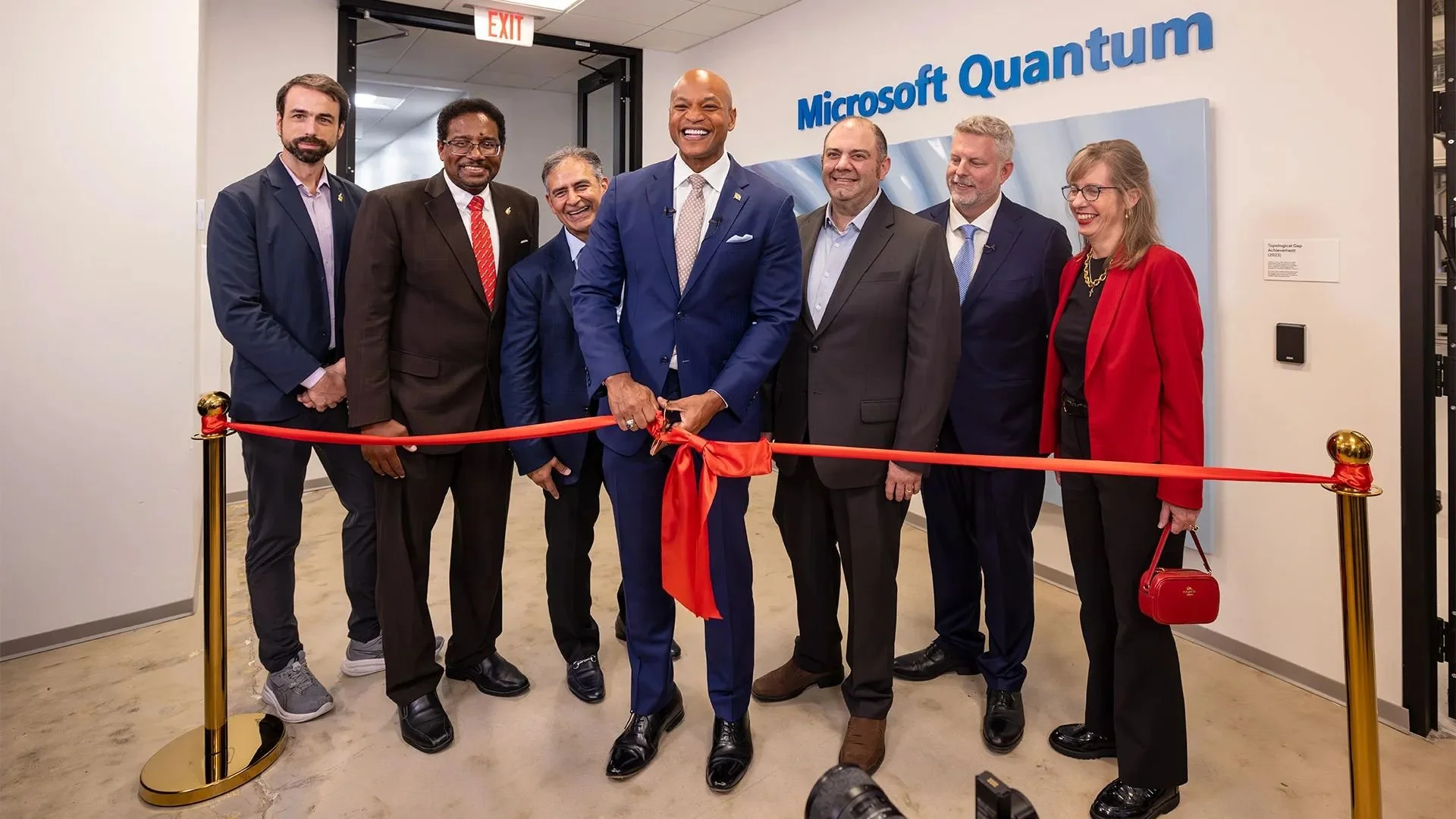
The University of Washington has opened the permanent home of its Global Innovation Exchange on Microsoft’s Redmond campus
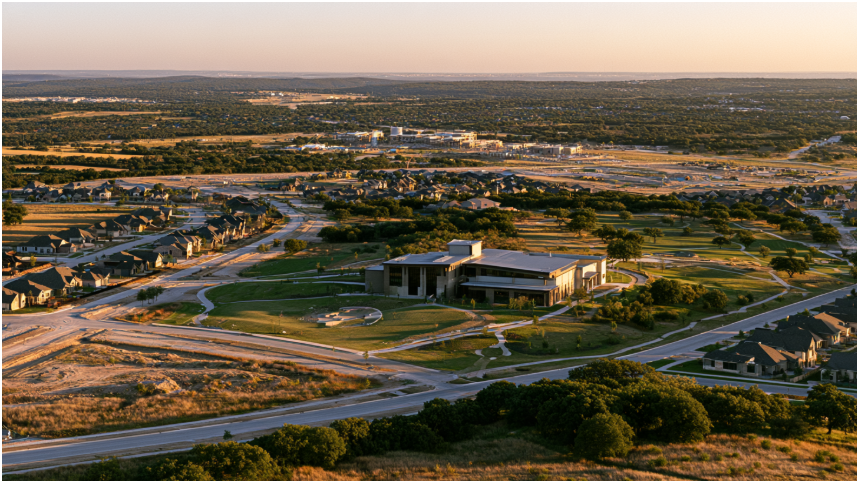
The University of Washington has opened its first full-time location on Microsoft’s Redmond campus, moving its Global Innovation Exchange into a dedicated 48,500-square-foot facility designed for teaching, research and professional development in AI and other emerging technologies.
The new site, based across two floors of Building 92 on Microsoft’s West Campus, is being provided to the university through a rent-free lease. Microsoft is making a $42 million in-kind contribution to support the facilities.
The move gives the University of Washington an academic base directly on the technology company’s campus. GIX students will study alongside Microsoft researchers and employees, while Microsoft staff will also take part in programs delivered through the university.
Brad Smith, Vice Chair and President at Microsoft, described the arrangement on LinkedIn as unusual even by university-industry partnership standards: “No one has ever put a great research university and a leading technology company under the same roof quite like this.”
Students and Microsoft staff will share the new GIX base
The Global Innovation Exchange launched in 2017 and supports more than 150 students each year through its Master of Science in Technology Innovation program and professional development courses.
At the new Redmond site, students will learn from faculty across the University of Washington, take classes taught by Microsoft employees and receive mentoring from technology professionals in the Pacific Northwest.
The facility includes six classrooms, prototyping facilities, a distance learning studio, specialist labs, workshops and collaboration spaces.
Microsoft employees will also study at GIX. Smith wrote on LinkedIn that an initial cohort of 30 senior technical leaders from the company will attend an evening mini-MBA program, with a goal of running three or four cohorts each year.
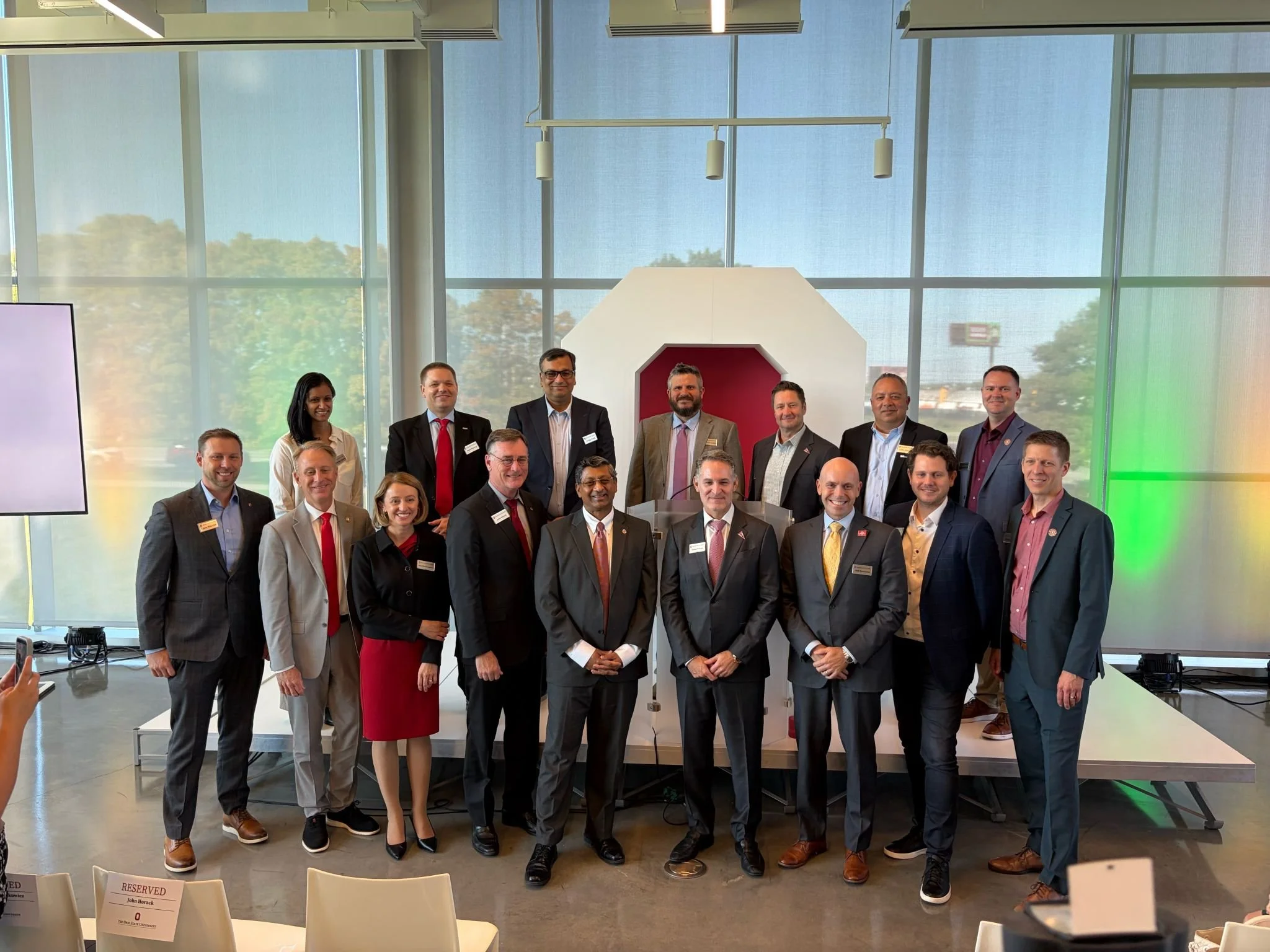
At the opening, University of Washington President Robert J. Jones says the model is intended to prepare students for leadership as technologies develop rapidly.
“As we face the complex future of emerging and rapidly evolving technologies, our state, region and world will benefit from the training taking place here at the UW in the heart of the Microsoft campus,” he says.
AI, robotics and responsible technology
The new headquarters will concentrate GIX activity around responsible technology, leadership and innovation across areas including AI and robotics.
Microsoft and the university say the proximity between students, faculty, researchers and industry professionals is intended to support applied learning and interdisciplinary collaboration.
Smith frames the timing around the growth of AI, writing on LinkedIn: “The question is whether the people building it understand the world it’s changing.”
He added that GIX is designed around a model where students work across disciplines and on practical projects, rather than learning about emerging technology in isolation.
Sean Carr, Executive Director and CEO of the Global Innovation Exchange, says the program keeps “people, not technology” at the center of its approach.
“Its value depends on how people use it to create opportunity, strengthen institutions and contribute to broader social progress,” he says.
Microsoft support for GIX passes $100m
The $42 million contribution for the new facility follows earlier Microsoft backing for the Global Innovation Exchange.
When GIX launched in 2017, Microsoft provided a $10 million founding endowment. The company later contributed $60 million in facility improvements and lease payments at GIX’s previous Bellevue location between 2017 and 2023.
GIX operates as a self-sustaining unit of the University of Washington and does not receive direct operational funding from the university or the State of Washington.
The Redmond facility is now its permanent home.