OpenAI Foundation awards $50m to 163 nonprofits exploring AI in local communities
The second People-First AI Fund will support organizations across 35 states and Washington, D.C., including groups working in student mental health, libraries, local journalism, legal services and the arts
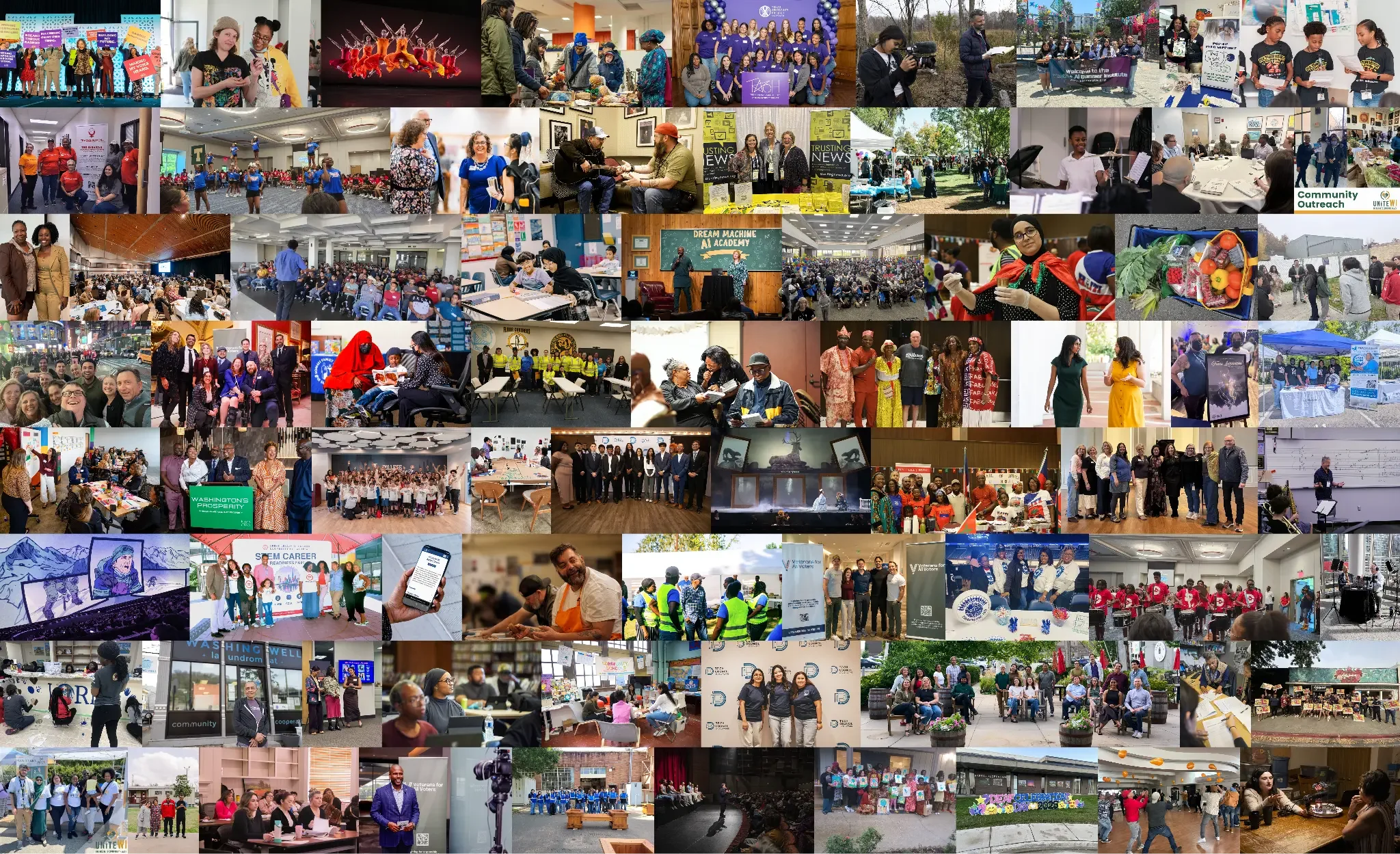
The OpenAI Foundation has selected 163 nonprofits to receive funding through its $50 million 2026 People-First AI Fund
The OpenAI Foundation has selected 163 US nonprofits to share $50 million through its 2026 People-First AI Fund, backing organizations exploring how AI could support community services, arts and culture, and local journalism.
The recipients are based across 35 states and Washington, D.C., with their work reaching communities in all 50 states. The Foundation says the grants are unrestricted, allowing organizations to decide how, or whether, particular AI tools fit their work.
This is the second People-First AI Fund, following an initial $50 million round launched in 2025.
Demand was considerably higher than the number of awards available. The Foundation received 1,669 applications through its open call, with every submission reviewed by an external grantmaker. Selection focused on community trust, demonstrated impact and how organizations proposed to explore AI.
The full $50 million is due to be distributed before the end of 2026.
Student support, libraries and community services
Some of the selected organizations work directly with education, students and access to learning.
North Carolina-based Rural Opportunity Institute helps rural schools secure public funding for student mental health services. According to the OpenAI Foundation, its use of AI in back-office operations has helped partner schools double Medicaid revenue and triple the number of students receiving mental health services.
The Library Foundation of Los Angeles, which supports the Los Angeles Public Library and its 73 locations, is also receiving funding. Its work includes expanding learning opportunities and providing communities with free access to emerging AI technologies.
Other grantees include Florida PTA, the National Association for Media Literacy Education and The Hidden Genius Project.
Across the community support strand, organizations are considering AI for tasks including translating and summarizing information, explaining complex benefits policies, supporting applications and reducing administrative work.
Greater Bakersfield Legal Assistance, for example, is piloting AI tools for intake and multilingual resources, while New York nonprofit JustFix is exploring tools to help renters understand rent records and navigate eviction.
The fund is not tied to OpenAI products. The Foundation says recipients can choose any platform they believe is appropriate, or decide not to use one.
AI funding reaches arts and local journalism
A second group of grants is going to arts and cultural organizations.
Nashville Jazz Workshop plans to make its concert archive searchable and explore an AI listening companion for people discovering jazz, while the August Wilson African American Cultural Center is looking at AI for administrative work.
The journalism portfolio includes local and nonprofit news organizations experimenting with AI for translation, public records, accessibility and newsroom operations.
Honolulu Civil Beat is using AI to make records from the Hawaii state Legislature easier to search and also provides free training to help residents use the information.
California Black Media, which works with a network of 30 Black-owned media outlets, is exploring AI for newsroom operations and new revenue opportunities. Free Press Indiana is looking at translation and accessibility across two hyperlocal newsrooms.
The fund is also supporting larger organizations that work across local media networks. The American Journalism Project invests in community-rooted nonprofit newsrooms, while the Colorado News Collaborative connects around 200 local news organizations and is coordinating an AI learning network across the state.
Most recipients are new to the fund
Most organizations selected for the 2026 round are new to the People-First AI Fund, with a smaller number returning from the previous cohort.
The OpenAI Foundation says the organizations range from those only beginning to explore what AI might offer to groups already piloting tools developed with their communities.
Its three priorities for this year's fund were shaped by lessons from the 2025 program and feedback from community organizations: support services, arts and culture, and journalism and media.
The Foundation said on LinkedIn that recipients are exploring uses including making public records easier to search, widening access to legal and disability services, preserving local cultural history and creating new ways for people to participate in the arts.
All 163 grants are expected to be disbursed in full before the end of 2026.