NASA awards Minnesota State $1.5m to build Midwest aerospace workforce hub
The three-year program will connect high school and college students with aerospace training, credentials, apprenticeships and employment pathways across Minnesota
NASA has selected Minnesota State to lead a $1.5 million aerospace workforce hub connecting education, technical training and employment pathways
NASA has selected Minnesota State University to lead a $1.5 million Aerospace Skilled Technical Workforce State Hub, creating a statewide training network designed to prepare students for technical jobs in aerospace, advanced manufacturing and space-related industries.
Led by the Minnesota State Transportation Center of Excellence, the three-year initiative is one of seven NASA aerospace workforce hubs nationwide and the only one based in the Midwest.
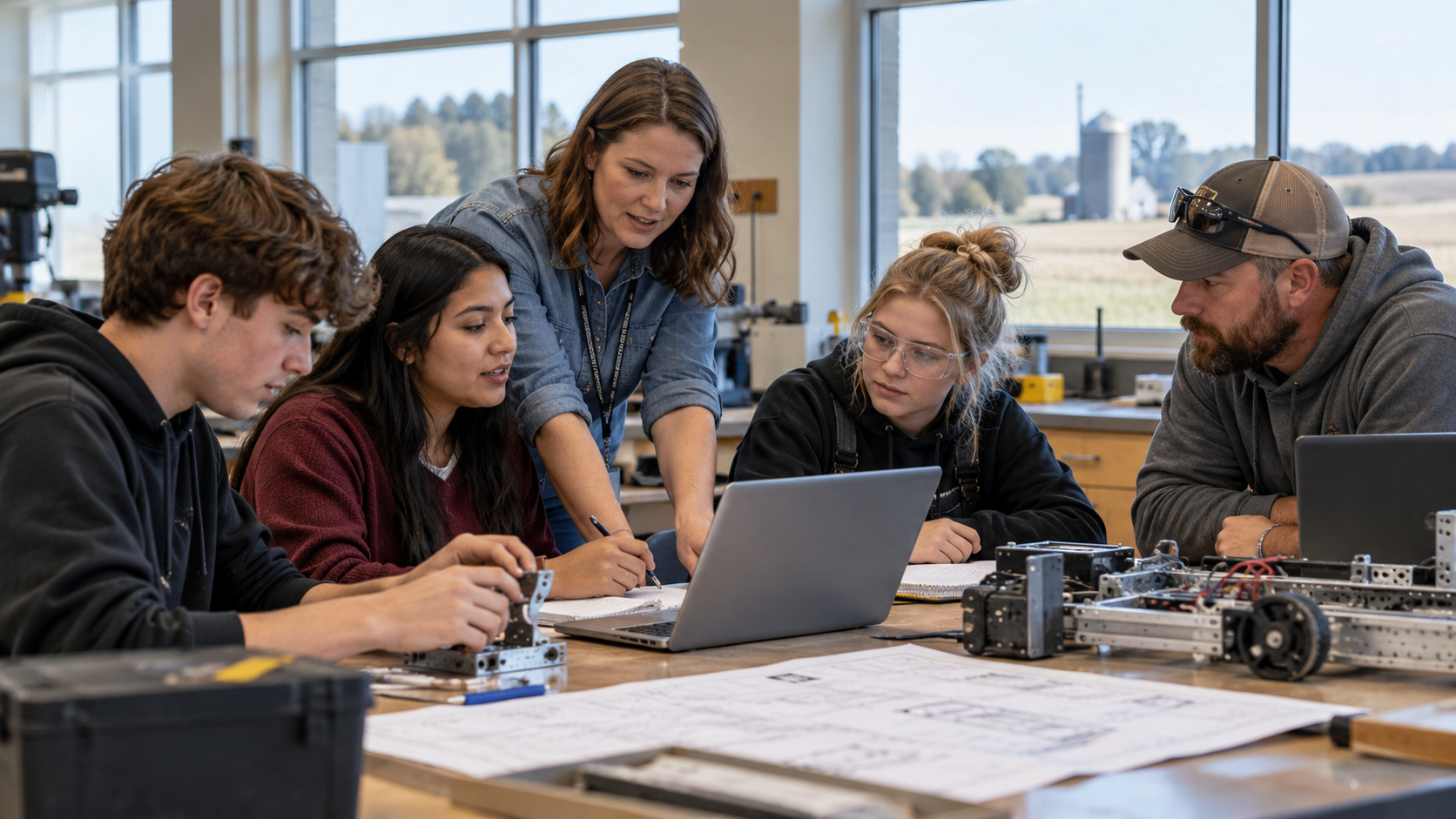
The program will connect high school career and technical education with community and technical college programs, registered apprenticeships, industry credentials and direct employment.
Training will cover areas including welding, precision machining, automation, robotics, avionics, nondestructive testing and systems integration, with programs shaped around employer demand.
NASA mission content, security-clearance readiness, work-based learning and professional development for educators will also be incorporated into the hub.
Minnesota State plans to enroll between 1,800 and 2,400 students in aerospace-aligned pathways over the three years and award between 500 and 700 aerospace-specific credentials.
It is also targeting 140 to 200 new registered apprenticeships and internships, while another 1,000 to 1,400 high school students are expected to take part in career awareness and hands-on learning activities.
High school-to-work pathways take shape
The hub brings colleges and employers into the same workforce pipeline.
Core college partners include Dakota County Technical College, Pine Technical & Community College and Ridgewater College.
Industry and workforce partners include North Wind, Collins Aerospace, Hartzell Aerospace Welding, PAR Systems, the Minnesota Department of Employment and Economic Development, Minnesota Space Grant Consortium, NASA Glenn Research Center and NASA Langley Research Center.
Shawn Haag, Executive Director of the Minnesota State Transportation Center of Excellence, said the program would create a coordinated route into aerospace careers.
“This award is a tremendous opportunity for Minnesota and for the students who will help build the future of aerospace,” Haag says.
“By bringing together education providers, employers, workforce agencies, and NASA partners, we will create a coordinated, statewide approach that gives students access to high-demand careers while helping employers meet critical workforce needs tied to aerospace, space exploration, advanced manufacturing, and national security.”
Haag also said on LinkedIn that the hub would build pathways from high school technical programs through college, apprenticeships, credentials and direct employment.
Faculty development is another part of the plan, with the program expected to strengthen aerospace-focused curriculum across Minnesota alongside student training.
More than 8,000 aerospace job openings cited in Minnesota
Minnesota State says the initiative is being built around a sizeable technical workforce market.
Lightcast data for 2024 to 2026, cited by the organization, shows more than 8,000 aerospace-related job openings across more than 830 Minnesota companies.
According to those figures, 99% of the positions require less than a bachelor’s degree and the average salary is more than $62,000 a year.
Demand is concentrated in areas including machining, aircraft maintenance, automation and advanced manufacturing, which are also among the skills covered by the new hub.
Scott Olson, Chancellor of Minnesota State, says: “Minnesota State is uniquely positioned to help students connect their talents and aspirations with high-wage, in-demand jobs while supporting Minnesota’s growing aerospace and advanced manufacturing sectors.”
The wider Minnesota State system includes 26 colleges and seven universities serving approximately 270,000 students.
NASA program spans seven states
Minnesota State was selected alongside organizations in California, Colorado, Florida, Georgia, Texas and Utah.
The State Hubs initiative is focused on expanding the technical workforce available to NASA suppliers and the wider aerospace sector as work continues across human space exploration, advanced manufacturing, propulsion and aerospace technology.
Shannon Bryant, Executive Director of Workforce and Economic Development at Minnesota State, says the hub will expand apprenticeships, technical training and work-based learning while linking colleges more closely with employer needs.
“This initiative strengthens our ability to connect talent to opportunity, and to expand apprenticeships, work-based learning, and technical training that directly meet employer needs,” she says.
The Minnesota hub will now spend the three-year period building its statewide training network, with student enrollment, credential awards, new apprenticeships and high school outreach forming its main delivery targets.