OpenAI’s Africa Lead discusses AI adoption and digital acceleration at Bloomberg Africa Business Summit
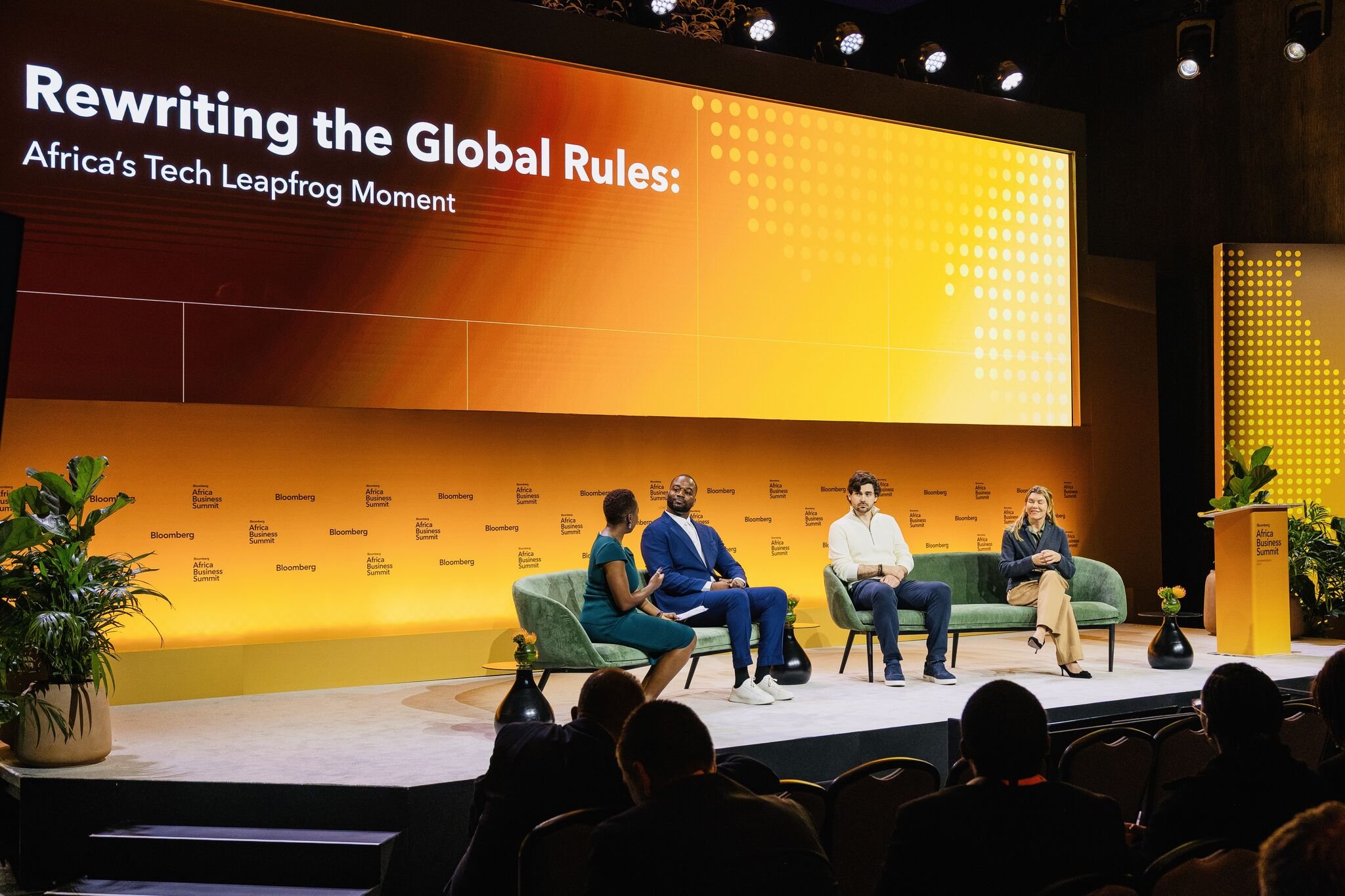
Photo credit: Martin And Marlize van Niekerk
OpenAI’s Africa Lead, Emmanuel Lubanzadio, took to LinkedIn to reflect on his participation in the Bloomberg Africa Business Summit, where he joined a panel examining how African markets are navigating rapid technological change.
OpenAI, known for developing ChatGPT and AI tools used across education, business, and government, contributed to discussions on regulation, innovation, and the pace of digital adoption across the continent.
Lubanzadio appeared alongside Yellow Card CEO Chris Maurice and Norrsken22 General Partner Lexi Novitske, with Bloomberg News senior reporter Yinka Ibukun moderating. The panel, held in Johannesburg, explored how African countries are leapfrogging legacy systems in sectors including AI, digital infrastructure, and fintech.
Discussion covers AI momentum and regulatory frameworks
In his LinkedIn post, Lubanzadio highlights the importance of regulatory systems that balance innovation with safeguards. He says the discussion focused on “regulatory frameworks that build safety and trust, while still enabling innovation.”
He also pointed to the scale of AI use emerging globally, referencing OpenAI’s growing footprint. “When speaking about OpenAI, I highlighted the cross-sectoral impact emerging globally: 800M weekly ChatGPT users, 1M business customers, a community of 4M developers, the rollout of ChatGPT Go across Africa, and our capacity-building work through the OpenAI Academy, including the recent launch in Nigeria.”
The post outlines how Africa’s technology ecosystem is expanding across multiple sectors, with governments and private actors evaluating how to align policy with the speed of change.
Other speakers at the event emphasized Africa’s history of technological leapfrogging, including mobile money, stablecoin adoption, and health sector innovation. Ibukun, who moderated the session, shared her own reflections on LinkedIn, noting that discussions across the summit highlighted how AI and fintech are already shaping operations for early adopters. She pointed to examples ranging from Nigerian companies using stablecoins to Kenya’s Jacaranda Health applying AI tools in maternal care.
Lubanzadio closed his LinkedIn post by noting the importance of continued engagement across the ecosystem. He thanked Bloomberg and fellow participants for “insightful conversations” and said he looks forward to connecting with teams in East Africa, adding, “Looking forward to being in Kigali and Nairobi next week and connecting with more people across the ecosystem.”
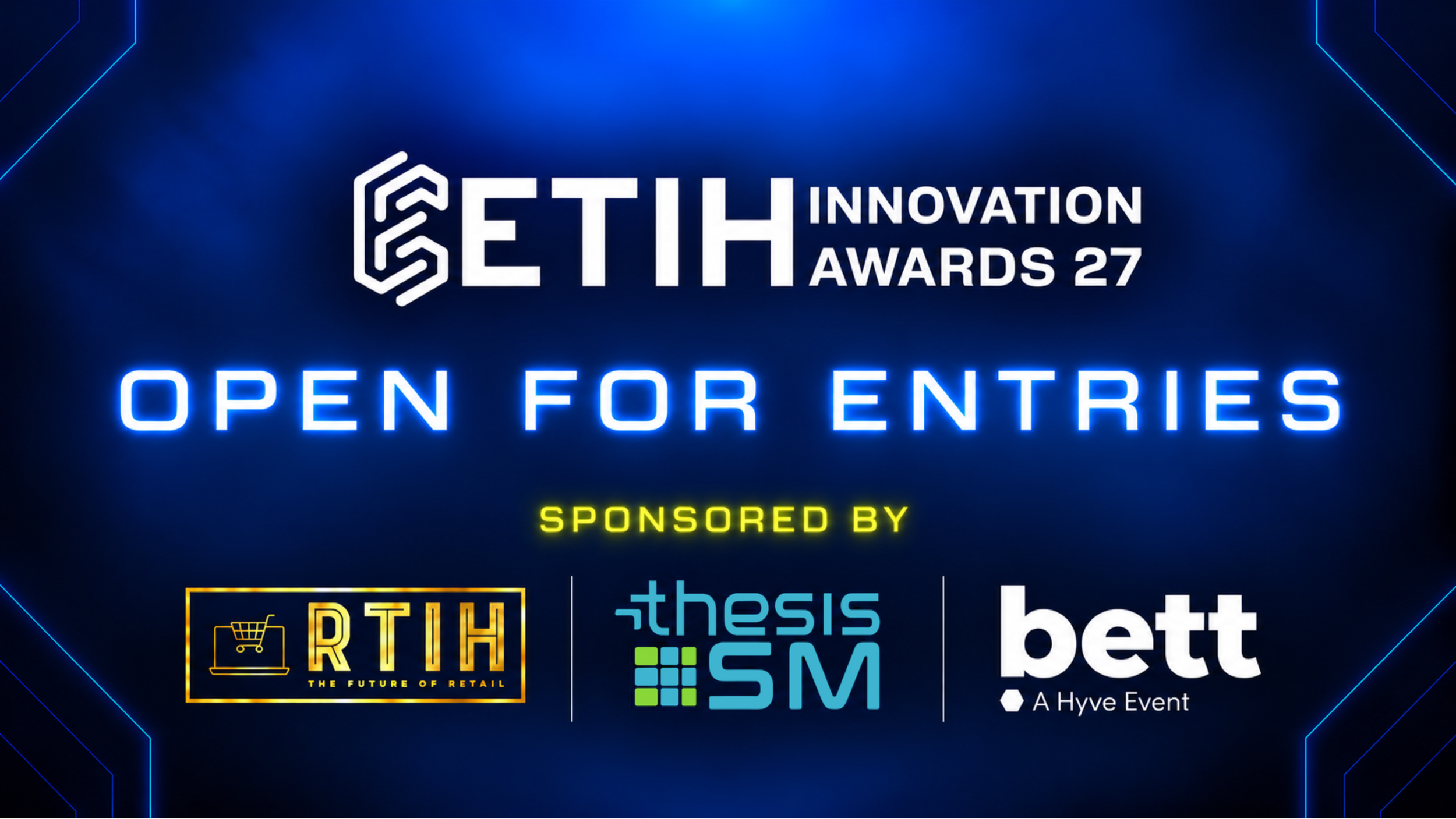
The ETIH Innovation Awards 2026

The EdTech Innovation Hub Awards celebrate excellence in global education technology, with a particular focus on workforce development, AI integration, and innovative learning solutions across all stages of education.
Now open for entries, the ETIH Innovation Awards 2026 recognize the companies, platforms, and individuals driving transformation in the sector, from AI-driven assessment tools and personalized learning systems, to upskilling solutions and digital platforms that connect learners with real-world outcomes.
Submissions are open to organizations across the UK, the Americas, and internationally. Entries should highlight measurable impact, whether in K–12 classrooms, higher education institutions, or lifelong learning settings.