ChatGPT Lab initiative scales to 45 campuses as students lead new AI conversations
The ChatGPT for Education team took to LinkedIn to outline how students are initiating campus discussions on AI, drawing on insights from OpenAI’s ChatGPT Lab program and a new resource of 100 conversation prompts.
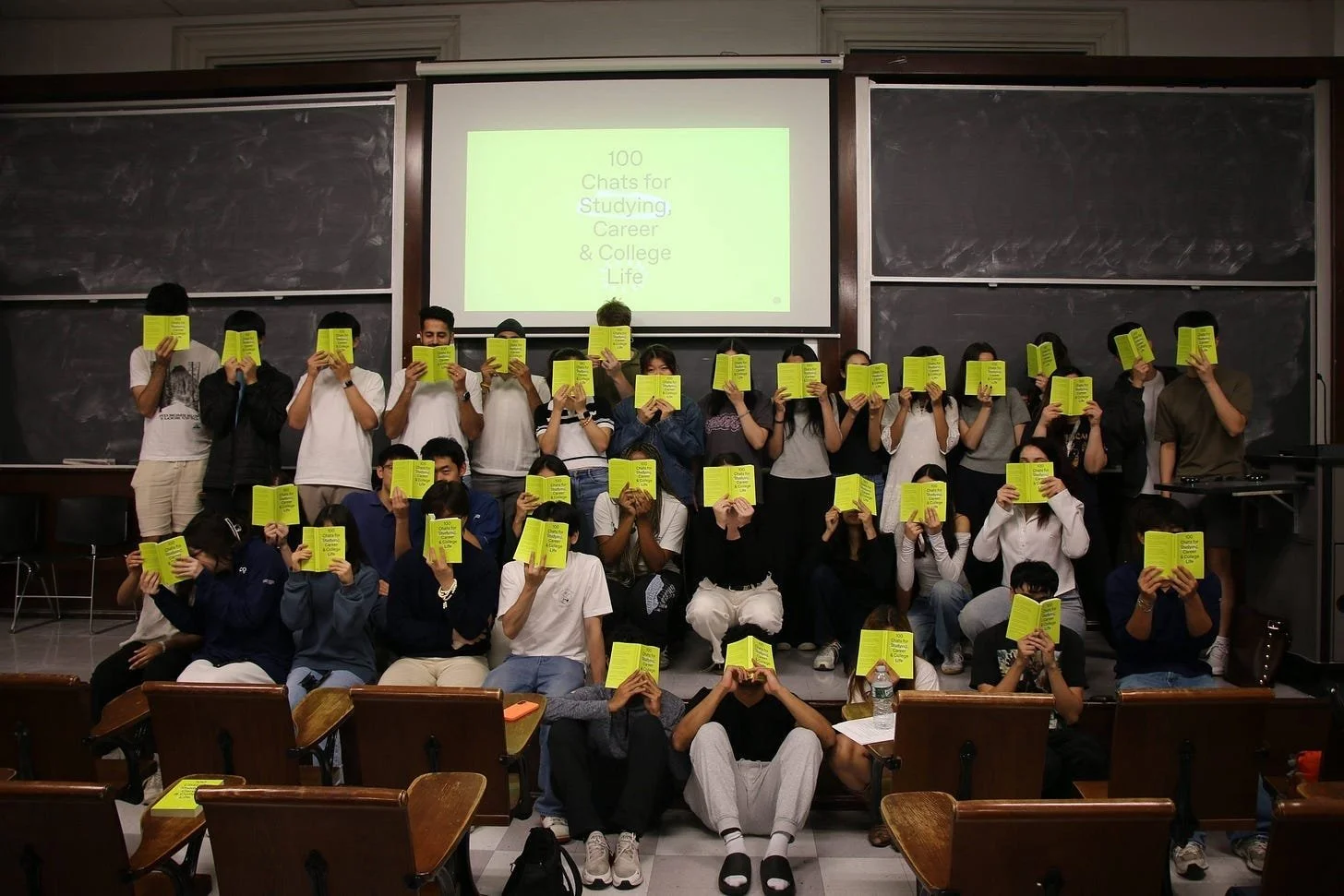
OpenAI’s ChatGPT for Education team took to LinkedIn to share that students on 45 campuses have now hosted conversations about the role of AI in their studies, daily life, and future careers.
ChatGPT for Education, an OpenAI initiative focused on providing AI resources for educators and learners, said the discussions build on a series of student-led experiments first launched earlier this year.
An OpenAI blog also details how the project began with the ChatGPT Lab, a small group of undergraduates in the United States who were invited to talk openly about how they use AI and which skills matter most in an AI-affected economy.
Origins of the ChatGPT Lab project
According to the blog, the first cohort of thirty undergraduates was brought together in March to explore both practical and philosophical questions about AI. As OpenAI describes it, the Lab became “a shared space for students to see how their peers are using AI and to reflect on how it is shaping their own lives.”
Those conversations later evolved into a wider movement after students asked for resources to bring the format to their own campuses. The team compiled the top one hundred questions from early Lab sessions into a book designed to help students start discussions in dorms, quads, and classrooms.
The LinkedIn post highlights how students are adapting the format to their own institutions. At UCLA, junior Monica Adams distributed copies of the 100 Chats book on campus to spark informal conversations. “Even people who had preconceived notions about AI and ChatGPT were open to talking,” she says. “In the span of 30 minutes, I feel like I learned more about the AI usage of other college students than from anything on the internet.”
At the University of Pennsylvania, students Praja Tickoo, Milo Shan, and Harsha Ravindran hosted an “AI on Campus” session that grew into six weeks of roundtable discussions. Themes included study habits, creativity, and early career preparation.
OpenAI invites wider participation
The ChatGPT for Education team is now encouraging more campuses to participate. The blog sets out a simple process for getting involved: fill out a short interest form, receive a conversation guide, and, for participants in the United States or Canada, access limited-edition copies of the 100 Chats book.
The post notes that the most effective hosts tend to be students and educators who are “deeply curious about others” and comfortable initiating conversations about how AI is influencing study patterns, integrity, and future employment.
Summarizing the expansion of the program, Adams says, “Even people who had preconceived notions about AI and ChatGPT were open to talking.”
The ETIH Innovation Awards 2026

The EdTech Innovation Hub Awards celebrate excellence in global education technology, with a particular focus on workforce development, AI integration, and innovative learning solutions across all stages of education.
Now open for entries, the ETIH Innovation Awards 2026 recognize the companies, platforms, and individuals driving transformation in the sector, from AI-driven assessment tools and personalized learning systems, to upskilling solutions and digital platforms that connect learners with real-world outcomes.
Submissions are open to organizations across the UK, the Americas, and internationally. Entries should highlight measurable impact, whether in K–12 classrooms, higher education institutions, or lifelong learning settings.