AMD and University of Toronto expand AI research collaboration with new lab
New research facility will focus on AI systems, distributed model training, and data intelligence as universities and industry deepen collaboration on advanced computing.
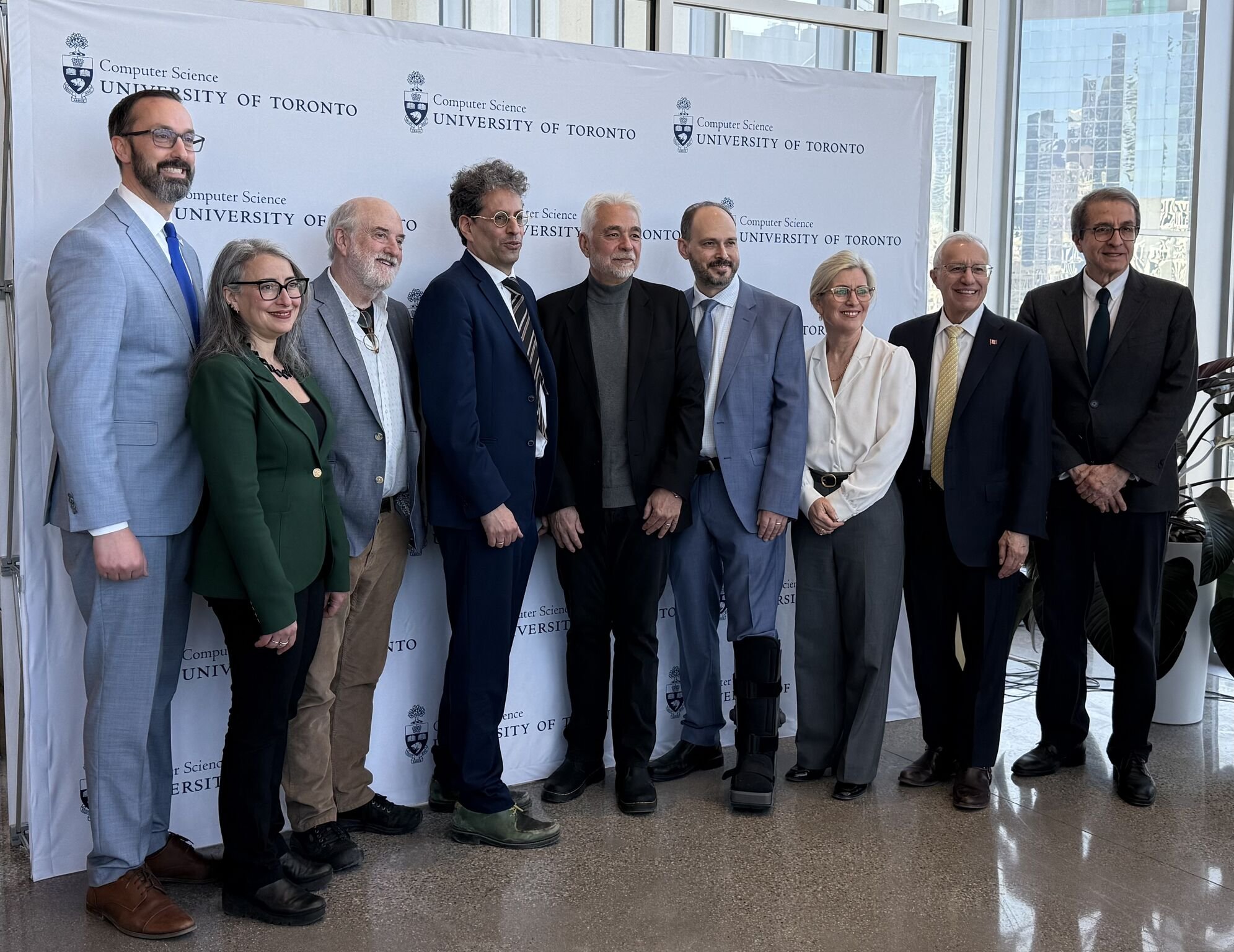
AMD, a developer of high-performance processors and computing technologies used in AI, data centers, and advanced research systems, has expanded its collaboration with the University of Toronto through the creation of a new artificial intelligence and computing research lab at the university’s Department of Computer Science.
The AMD – U of T Research Lab will support applied research projects focused on AI systems and high-performance computing. The partnership reflects growing collaboration between universities and technology companies as research institutions look to accelerate the development and commercialization of AI technologies.
The new lab forms part of AMD’s global network of research collaborations with universities including Massachusetts Institute of Technology, University of California, Berkeley, Carnegie Mellon University, ETH Zurich, and National University of Singapore.
Focus on applied AI and high-performance computing
Over the next three years, AMD plans to initiate up to 100 research projects through the lab. The work will focus on areas including energy-efficient AI systems, methods for training large AI models across distributed computing clusters, and enterprise-scale data intelligence.
The collaboration builds on an existing partnership between the two organizations, which has already produced more than 30 applied research projects. Many students involved in those projects have later joined AMD, highlighting the role universities play in developing AI and computing talent pipelines.
Dr. Melanie A. Woodin, President of the University of Toronto, says applied research partnerships provide opportunities for students to work on real-world challenges.
Woodin says: “Applied-research collaborations like this give our students the opportunity to tackle real-world technological challenges while gaining valuable work experience. AMD's investment reflects a forward-thinking approach to R&D and the power of linking academic talent directly to industry innovation.”
Hardware investment expands research capacity
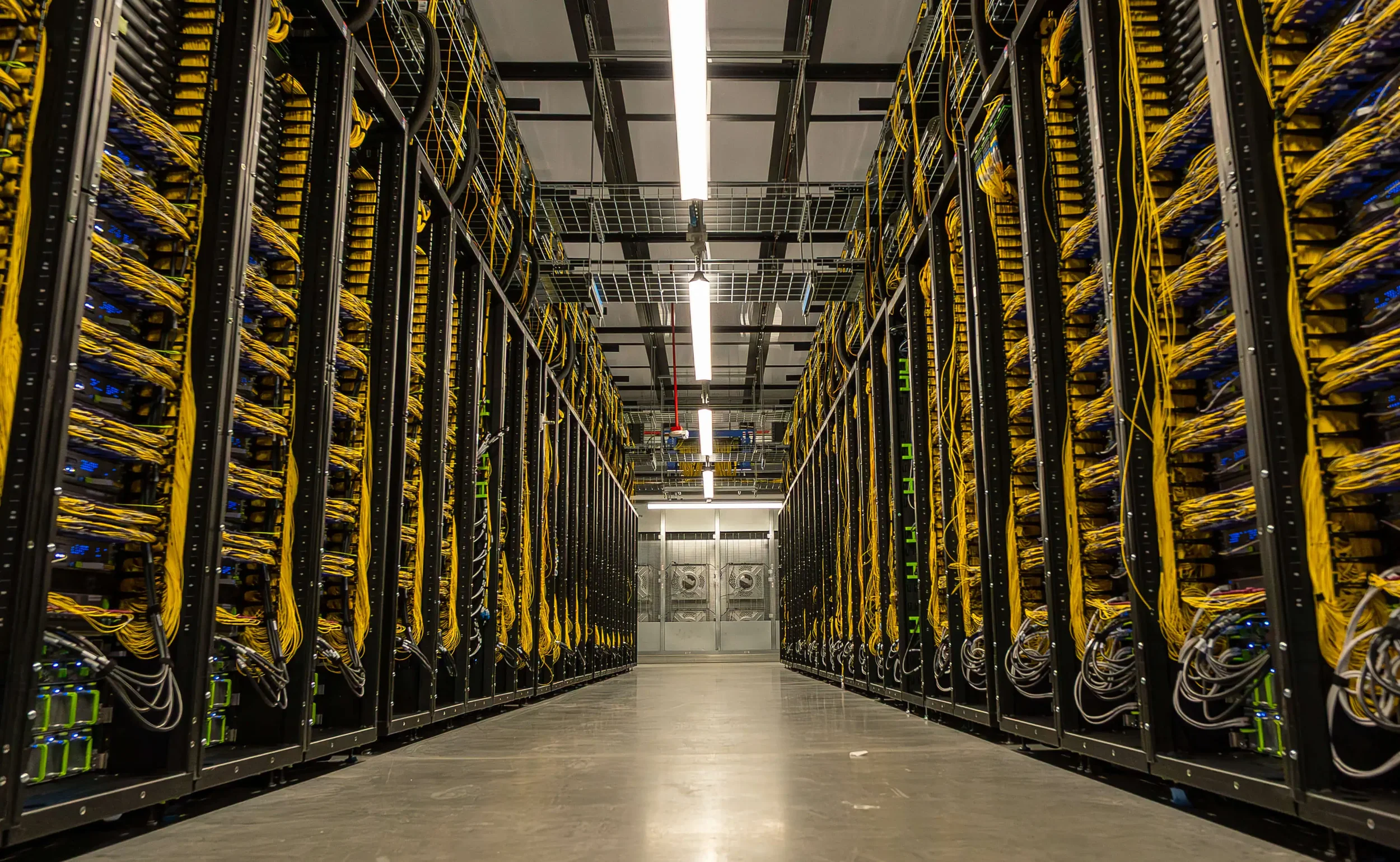
As part of the partnership, AMD has donated two AI servers to the university’s Department of Computer Science. The systems will expand computing capacity for AI research and support projects carried out through the new lab.
Chris Smith, Corporate Vice President and Head of the Toronto Markham Design Centre at AMD, shared details of the collaboration on LinkedIn.
Smith wrote: “We are delighted to partner with the University of Toronto, a world-renowned academic institution at the cutting edge of AI innovation and research. By embedding U of T's brightest minds within our research teams, cutting-edge ideas move swiftly from the lab to global-scale applications, driving breakthroughs in AI and computing.”
Government highlights role of research partnerships
Government representatives in Canada also highlighted the role of university and industry collaboration in building national technology capacity.
Karim Bardeesy, Parliamentary Secretary to Canada’s Minister of Industry, says the partnership reflects the country’s focus on advanced technology development.
Bardeesy says: “Canada is home to the world's top talent and researchers. The partnership between the University of Toronto and AMD demonstrates that Canada is the go-to hub for cutting-edge innovation, highly skilled jobs and the next generation of transformative technologies that will shape the global economy.”
Victor Fedeli, Ontario’s Minister of Economic Development, Job Creation and Trade, adds: “Our government is laser-focused on making Ontario the most attractive and competitive jurisdiction in the G7 to do business, and strengthening Ontario's position as a global leader in AI is a key part of that plan.”
Nolan Quinn, Ontario’s Minister of Colleges, Universities, Research Excellence and Security, also highlighted the role universities play in developing technology talent.
Quinn says: “Ontario's universities and colleges are pipelines of innovation, equipping the next generation of researchers with the skills they need to turn ideas into solutions and advance our critical industries.”
The AMD – U of T Research Lab is expected to support new research collaborations and student involvement in AI and computing projects as both organizations expand their work in advanced computing.
ETIH Innovation Awards 2026
The ETIH Innovation Awards 2026 are now open and recognize education technology organizations delivering measurable impact across K–12, higher education, and lifelong learning. The awards are open to entries from the UK, the Americas, and internationally, with submissions assessed on evidence of outcomes and real-world application.