Off-grid school in Mindanao gets solar-powered STEM lab as Wimmer targets Philippines literacy gap
Seattle firm installs laptops, solar power, and satellite internet in remote Mindanao community as it outlines plans for 15 international labs over five years.
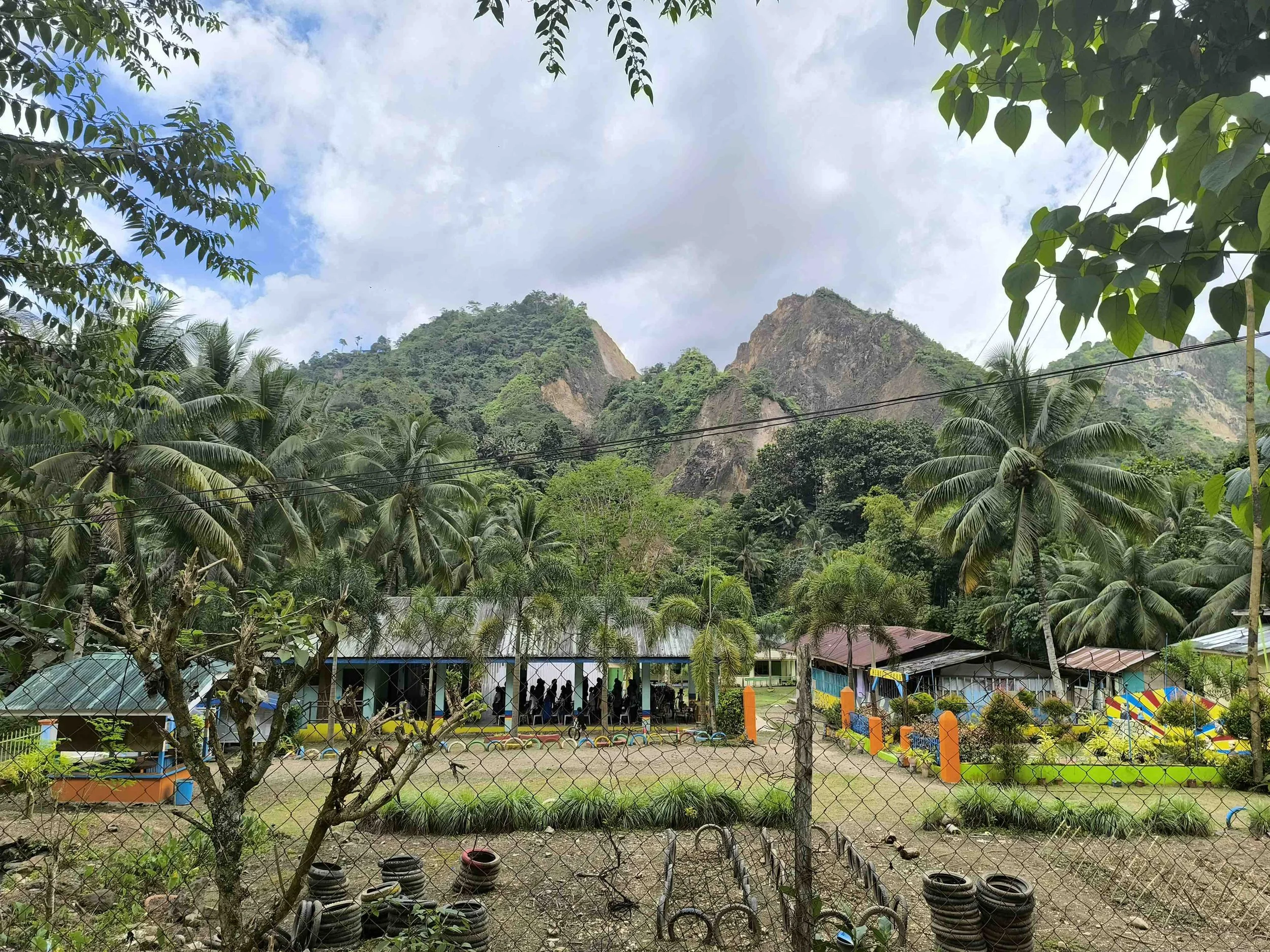
A remote mountain school in Mindanao that previously had no electricity in its classrooms is now operating a solar-powered STEM lab, following an installation by Seattle-based consulting firm Wimmer Solutions.
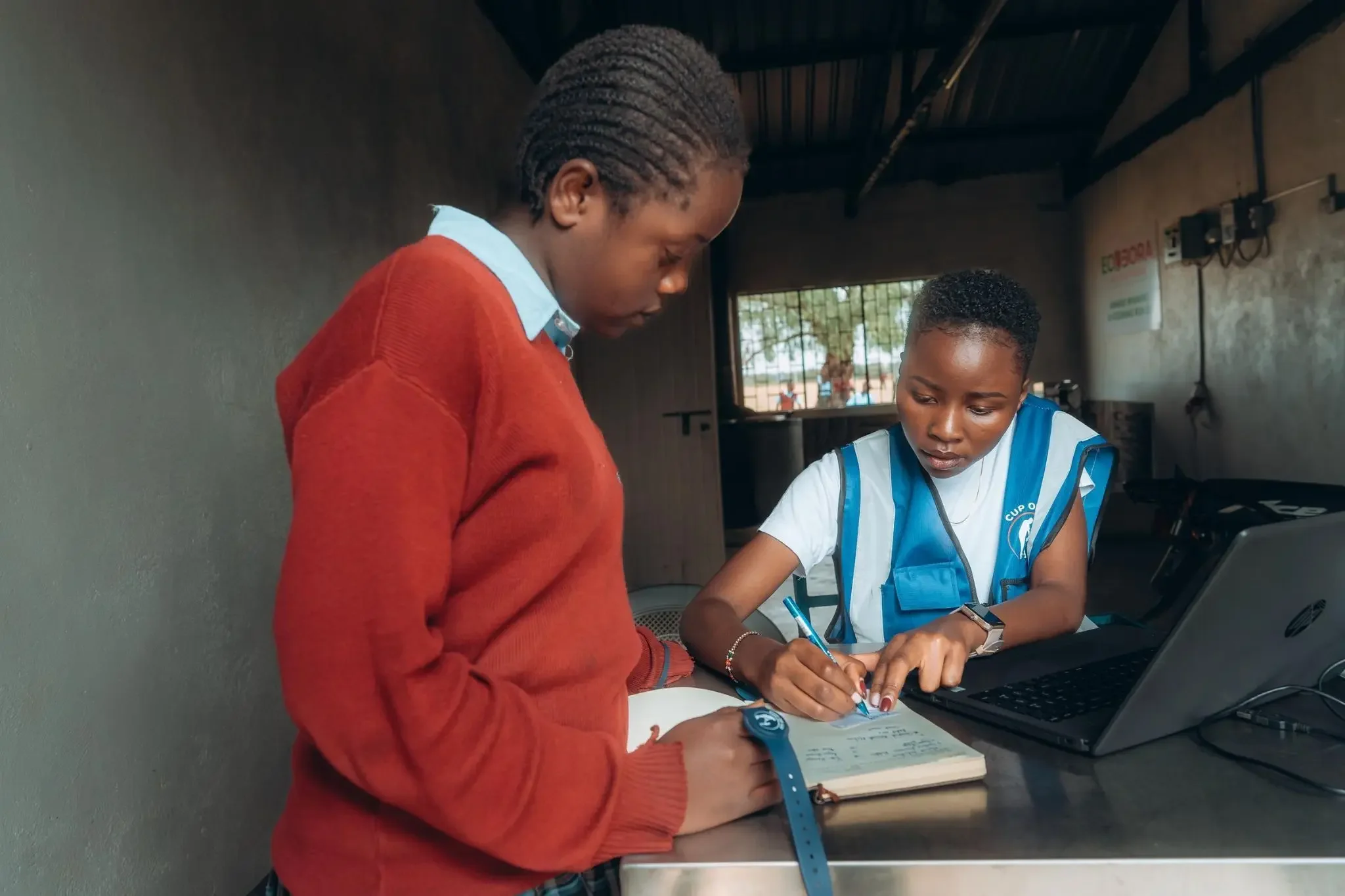
The deployment at Gumayan Integrated School provides laptops, battery storage, and satellite internet connectivity to 250 students in Grades 1–10. The school had limited access to power before the project, with an existing solar panel supplying only the teacher’s lounge. Classrooms were off-grid.
Wimmer Solutions says the lab forms part of a five-year plan to build 15 STEM labs in underserved communities. A second site assessment is scheduled for February 2026 in Tawi-Tawi, the Philippines’ southernmost province, where literacy rates remain significantly below the national average.
“This isn't a one-time donation,” says Matt Sauri, Founder and CEO of Wimmer Solutions. “It's a comprehensive, scalable model that addresses the complete technology gap-- laptops, solar panels, batteries, and satellite internet connectivity.”
Infrastructure before devices
Reaching Gumayan required hours of travel over mountain terrain. On arrival, Wimmer’s Corporate Social Responsibility Taskforce identified power supply as the primary barrier. Before introducing devices, the company installed a dedicated solar system and battery storage to support a computer lab, alongside Starlink connectivity.
Each lab represents an investment of approximately $35,000, covering hardware, connectivity, transport, labor, and installation.
"We've always believed here at Wimmer Solutions that if you're going to be doing work in a region or an area, part of what comes with that is to give back," says Sauri. "But as we look to make a difference, we've found it to be a natural fit to do things regarding Science, Technology, Engineering, and Mathematics. These students deserve the same opportunities as their peers in Manila or Seattle, and we have the capability to make that happen."
The school reports that the equipment supported delivery of the Career-Based National Career Assessment Examination and introduced structured computer lessons for the first time.
Retention and readiness
School leaders link access to technology with longer-term retention and college preparedness. "This is a great help for the students and teachers to give them access to a much bigger world than our community in Gumayan," says Faith Garcia Lemindog, IT Teacher at Gumayan Integrated School. "Most families here cannot afford to even buy a laptop. This support has given the school and the whole community a better chance for a better life."
"A lot of our students drop out of school during senior high school, and only a few continue to college. The students who enter college are behind in technology and do not even know how to turn on a laptop,” says Allan Garcia Madino, School Principal of Gumayan Integrated School. “This will surely help motivate our students to stay in school and continue their studies through college because we are now equipped with the technology that is given to students in the city."
For Wimmer, the initiative extends earlier US-based STEM partnerships into international settings. The company says lessons learned from Gumayan will inform future deployments.
Next stop: Tawi-Tawi
Expansion plans now focus on Tawi-Tawi, which recorded a basic literacy rate of 60.9 percent and a functional literacy rate of 33.2 percent in the 2024 Functional Literacy, Education, and Mass Media Survey by the Philippine Statistics Authority. National averages stand at 90 percent and 70.8 percent respectively.
"The security situation has improved dramatically, but the education crisis remains," says Eric Koivisto, Senior Strategic Advisor at Wimmer Solutions. "During our initial assessment, we identified Mindanao as an underserved area where technology could create a transformative impact. Tawi-Tawi represents an even greater need and an opportunity to reach communities that have been historically overlooked."
Wimmer plans to conduct a site assessment in February 2026 to identify a location for its second lab, targeting installation in spring 2026.
"We're building a model that can scale," says Dave Robson, Chief of Staff at Wimmer Solutions. "Each lab we complete teaches us how to do the next one more efficiently. We're working with local suppliers and community members to improve connectivity, expand capabilities, and provide ongoing mentorship. The goal is to create lasting partnerships, not one-time interventions."
The next phase will test whether a corporate-led, infrastructure-first model can be replicated in regions where power supply, connectivity, and literacy gaps intersect.
ETIH Innovation Awards 2026
The ETIH Innovation Awards 2026 are now open and recognize education technology organizations delivering measurable impact across K–12, higher education, and lifelong learning. The awards are open to entries from the UK, the Americas, and internationally, with submissions assessed on evidence of outcomes and real-world application.