MBZUAI launches agriculture and AI institute focused on smallholder farmers
The Mohamed bin Zayed University of Artificial Intelligence has launched a new institute aimed at applying AI research to real-world agricultural challenges, with a focus on scalable tools for smallholder farmers and national food systems.
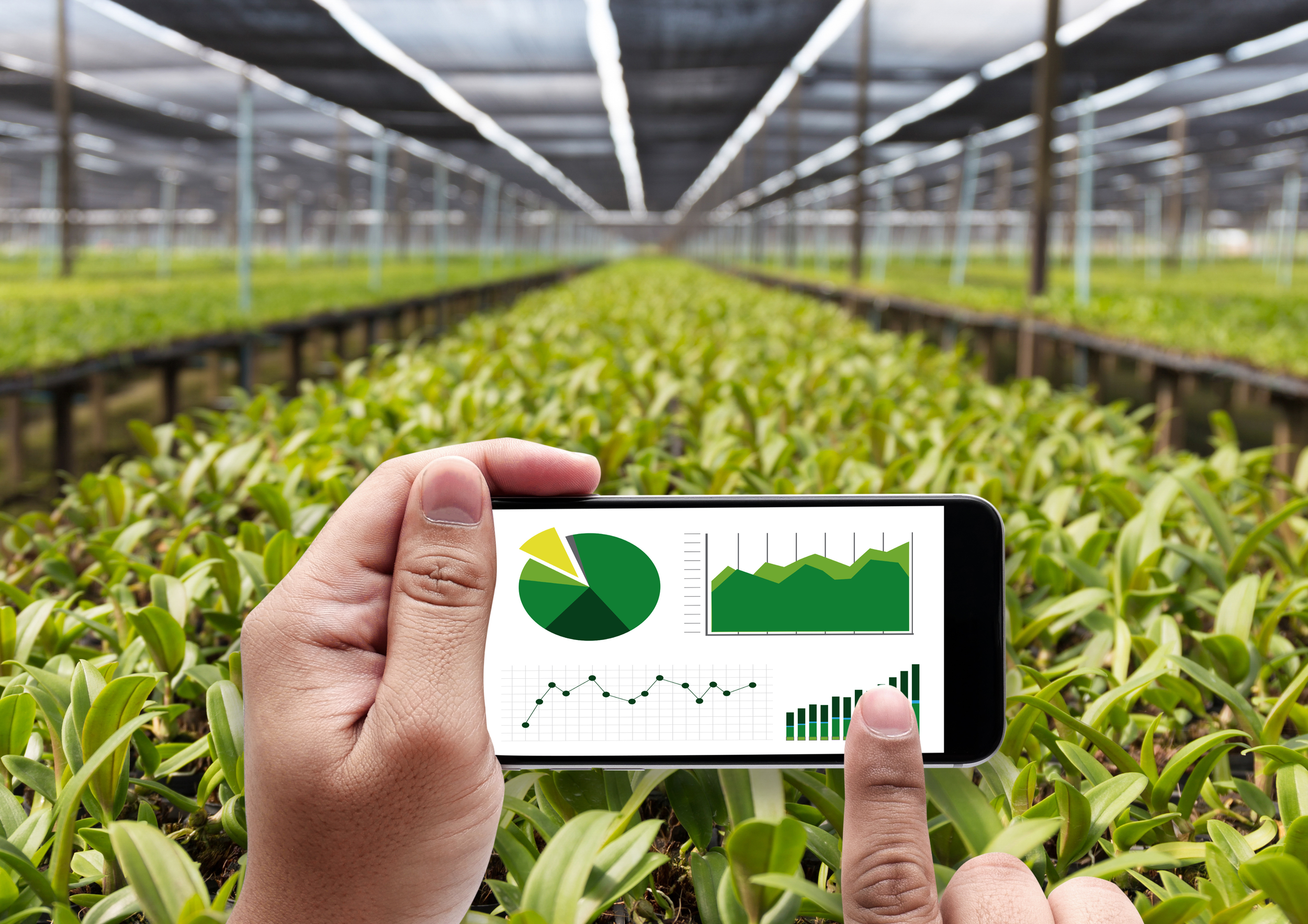
Mohamed bin Zayed University of Artificial Intelligence (MBZUAI) has launched the Institute for Agriculture and Artificial Intelligence (IAAI), a new research and deployment hub designed to apply AI to global food security challenges. Shared by the university on LinkedIn, the launch signals a shift toward field-ready AI systems intended to support smallholder farmers at scale, particularly in climate-vulnerable regions.
A digital advisory hub for agriculture
IAAI has been established in collaboration with the International Affairs Office at the UAE Presidential Court and the Gates Foundation. The institute is positioned as a digital advisory hub focused on improving the livelihoods of more than forty-three million smallholder farmers through AI-powered tools, training programs, and technical assistance.
According to MBZUAI, the institute will translate advanced AI research into practical agricultural services, including real-time advisory on crops, pests, soil conditions, weather patterns, and markets. These systems are intended to support better decision-making at farm level while strengthening resilience to climate change.
From open data to national deployment
IAAI’s work is structured around building open agricultural data infrastructure, developing deployable AI research, and supporting country-level implementation. The institute plans to create a centralized, open-access agricultural data corpus to support the safe training of AI models across regions and crops.
Research programs include multimodal diagnostic models for crop disease detection, voice-based advisory systems designed for local languages and varying literacy levels, and location- and time-aware large language models that integrate regional and real-time data.
Alongside research, the IAAI Academy aims to train more than two hundred experts from ministries, NGOs, and partner organizations to operate and scale AI-driven advisory systems.
For the EdTech and AI sectors, the launch highlights how universities are increasingly positioning applied AI research alongside education, capacity-building, and public-sector deployment. IAAAI’s model combines open research, workforce training, and national pilots, reinforcing the role of AI-focused universities as infrastructure builders rather than purely academic institutions.
As governments and development organizations look to AI for food security and climate resilience, MBZUAI’s approach reflects a growing emphasis on applied learning, cross-sector collaboration, and AI systems designed for real-world use rather than laboratory settings.