Maine DOE expands Pine Tree Programming statewide with micro:bits coding clubs
The statewide computer science initiative returns for a second year, with six-week clubs launching in February.
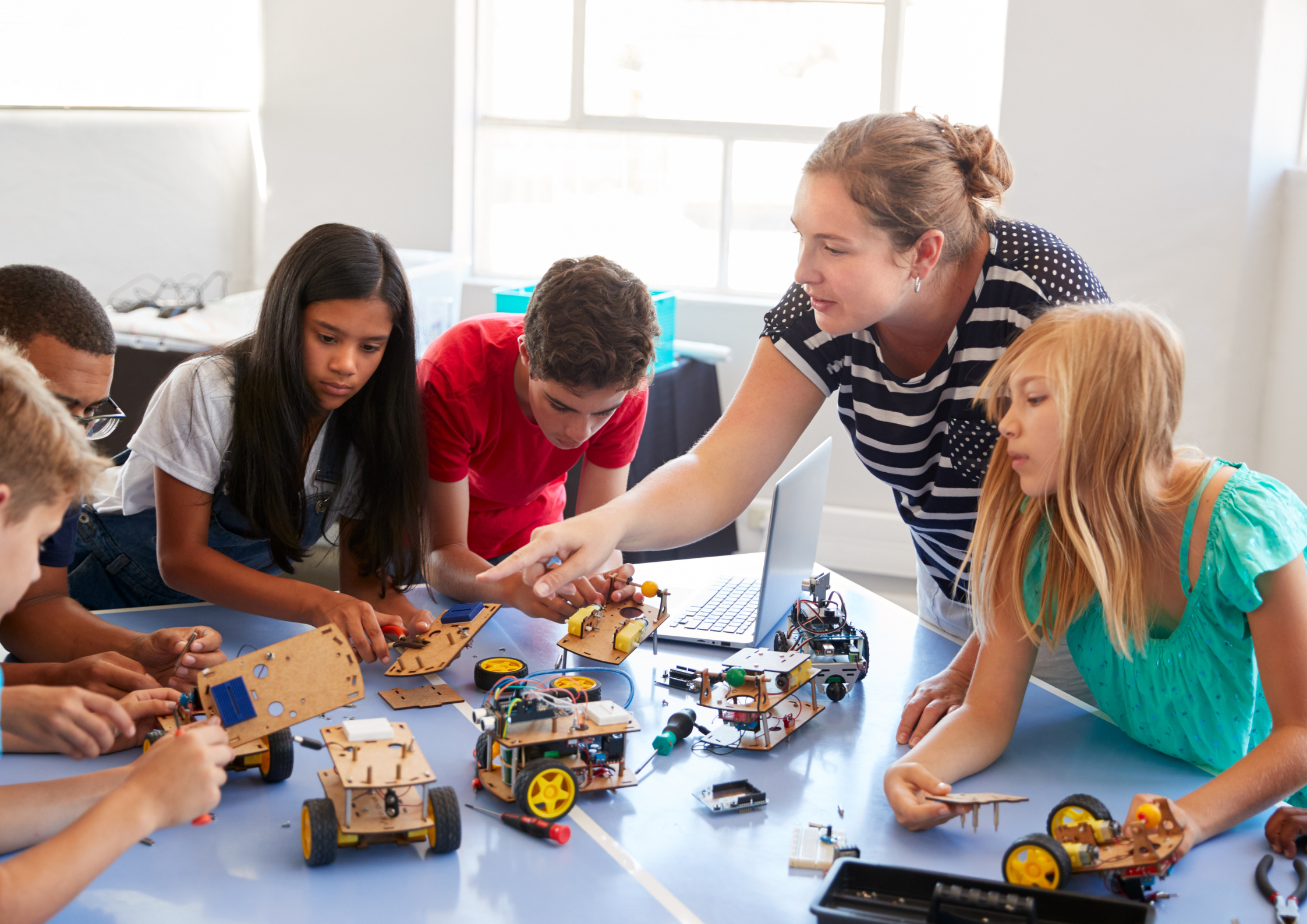
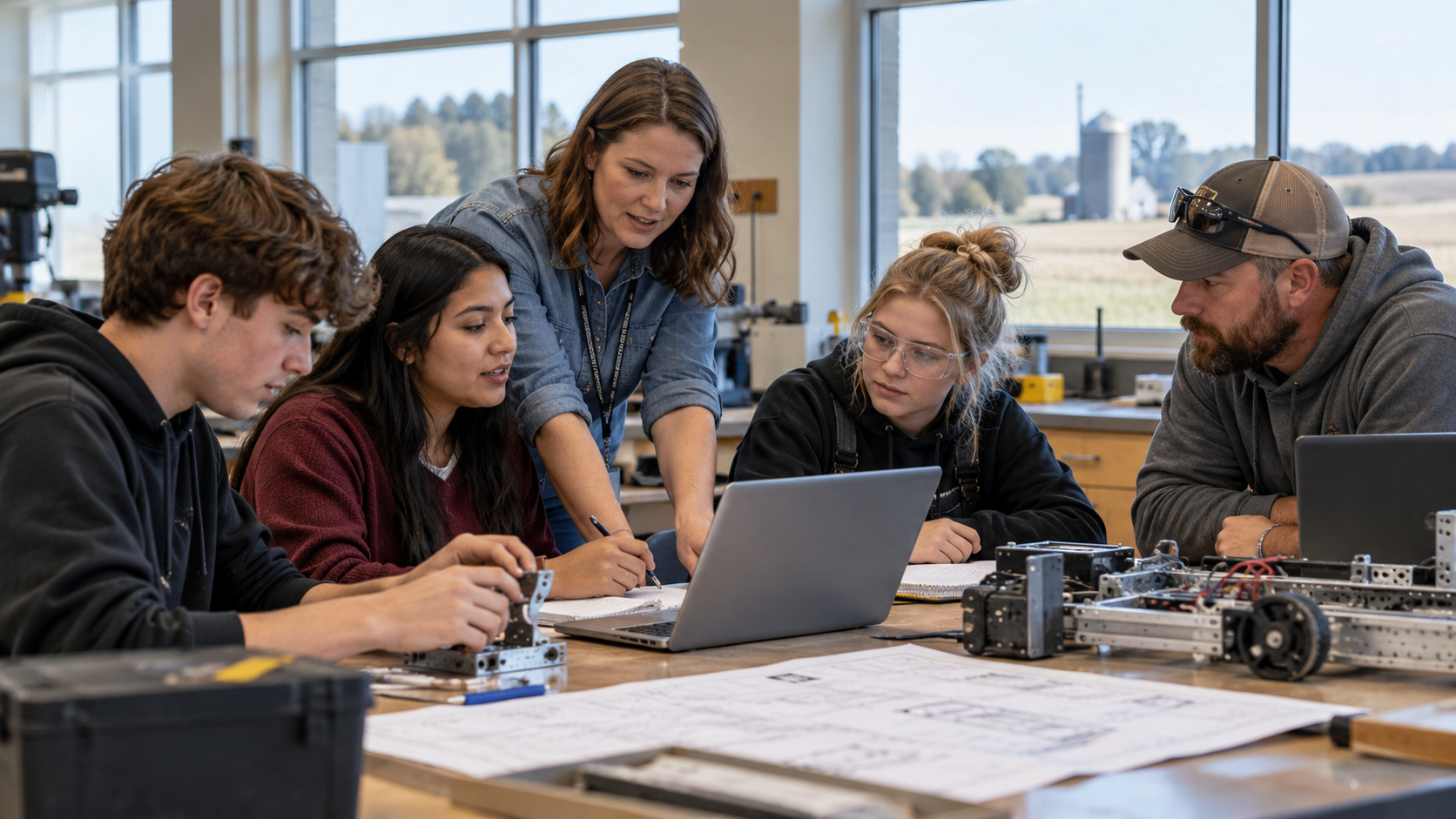
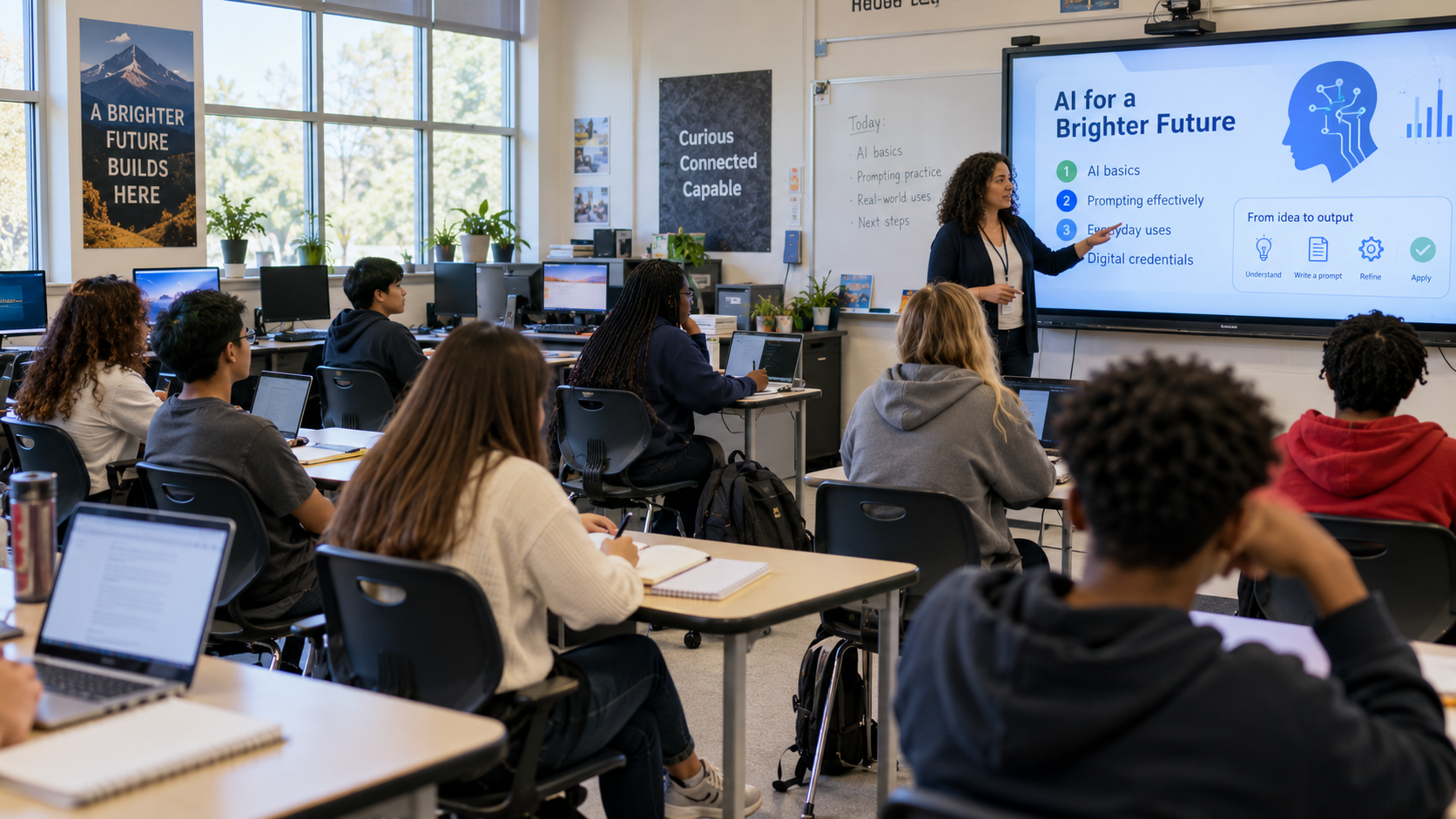
The Maine Department of Education has launched the second year of Pine Tree Programming, a statewide effort to expand access to computer science education through hands-on coding activities for students in grades three to eight.
The program is run through the Maine DOE Learning Through Technology team and uses micro:bits, small programmable devices designed to support interactive coding and problem-solving. Maine DOE says last year’s rollout reached more than 500 students across 44 schools.
Year two of Pine Tree Programming will run as six-week clubs beginning in February. Maine DOE says students will work through progressively sequenced activities focused on core coding concepts, with no prior experience required.
The updated format centers on practical projects using micro:bits, with the aim of making computer science more accessible for younger learners while building foundational skills ahead of high school coursework.
Schools can request devices to reduce barriers
Maine DOE says participating schools can request micro:bits through the club sign-up process if access to devices would otherwise prevent participation.
Schools planning to request devices must submit their micro:bit requests by Friday, January 9, 2026, to allow time for shipping before clubs begin.
Allison Braley, Maine DOE Computer Science Specialist, says: “Pine Tree Programming is all about making computer science fun and approachable. By giving students the chance to learn through doing, we’re helping them to develop the confidence and skills they’ll carry into high school, careers, and beyond.”
ETIH Innovation Awards 2026

The ETIH Innovation Awards 2026 are now open and recognize education technology organizations delivering measurable impact across K–12, higher education, and lifelong learning. The awards are open to entries from the UK, the Americas, and internationally, with submissions assessed on evidence of outcomes and real-world application.