ChatGPT for Education publishes workflow collection for faculty, students and teachers
The role-based examples cover course reviews, assessment calibration, research, lesson planning and student projects using ChatGPT Work and Codex.
The ChatGPT education collection provides workflow examples for higher education faculty, students and K-12 teachers
ChatGPT for Education has released a collection of workflow examples showing higher education faculty, students and K-12 teachers how to use ChatGPT Work or Codex for planning, analysis and academic project preparation.
The release consists of starter prompts, tool combinations and review guidance rather than a new AI model or classroom product. Its examples are designed to produce editable materials that staff and students review before making academic or instructional decisions.
Announcing the collection on LinkedIn, ChatGPT for Education positioned it as support for work educators already perform: "Educators are already doing the hard work of designing learning experiences, supporting students, and adapting materials for different needs."
The collection includes ideas for drafting courses, activities and rubrics, preparing lectures, creating study materials and organizing research. Its guidance emphasizes preserving source evidence, identifying uncertainty and keeping users responsible for final decisions.
Faculty workflows prioritize evidence and review
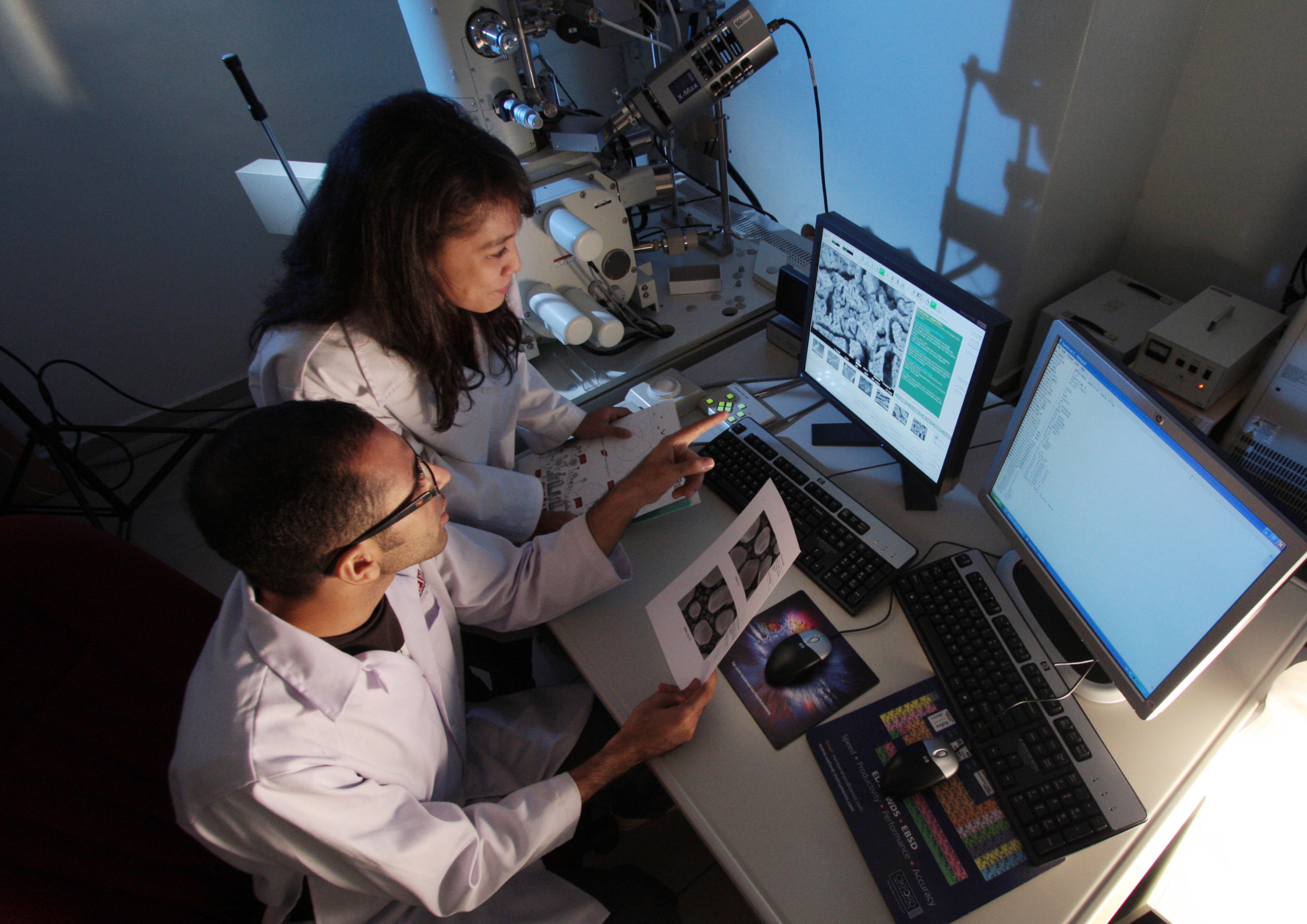
The higher education faculty collection covers six areas: refreshing course materials, calibrating assessments, comparing course sections, tracking engagement, synthesizing research and preparing committee packets.
The course refresh workflow brings together syllabi, slides, readings, assignments, rubrics, outcomes and previous course notes. ChatGPT is instructed to identify outdated or duplicated materials, assessment alignment gaps, inconsistent guidance and workload spikes before producing a prioritized plan. Source files should not be changed until faculty approve the recommendations.
Assessment calibration follows a similar review model. Faculty are told to supply de-identified submissions, rubrics, grading exports and sample feedback so ChatGPT can flag possible scoring inconsistencies and suggest rubric clarifications.
The instructions explicitly state that the resulting workbook must not assign or change grades. Faculty are expected to verify the evidence behind every flag and retain responsibility for scoring decisions.
A course engagement workflow combines de-identified learning management system activity, attendance, gradebook and assignment data in an editable dashboard. It can surface trends, completion gaps and data-quality warnings, but should not diagnose students or automate outreach, grading, placement or support decisions.
These restrictions appear as instructions within the workflows. The collection does not describe technical controls that would enforce them or provide evidence showing that the templates improve learning, assessment consistency or faculty workload.
Student examples extend beyond coursework
The higher education student collection includes workflows for organizing a semester, preparing for exams, running a student club project, balancing schedules and budgets, building a website, and tracking job or internship applications.
Students can combine course folders, syllabi, assignment sheets, readings, notes and calendars to create a semester workspace. Other examples use learning objectives, problem sets and previous quizzes to support exam preparation.
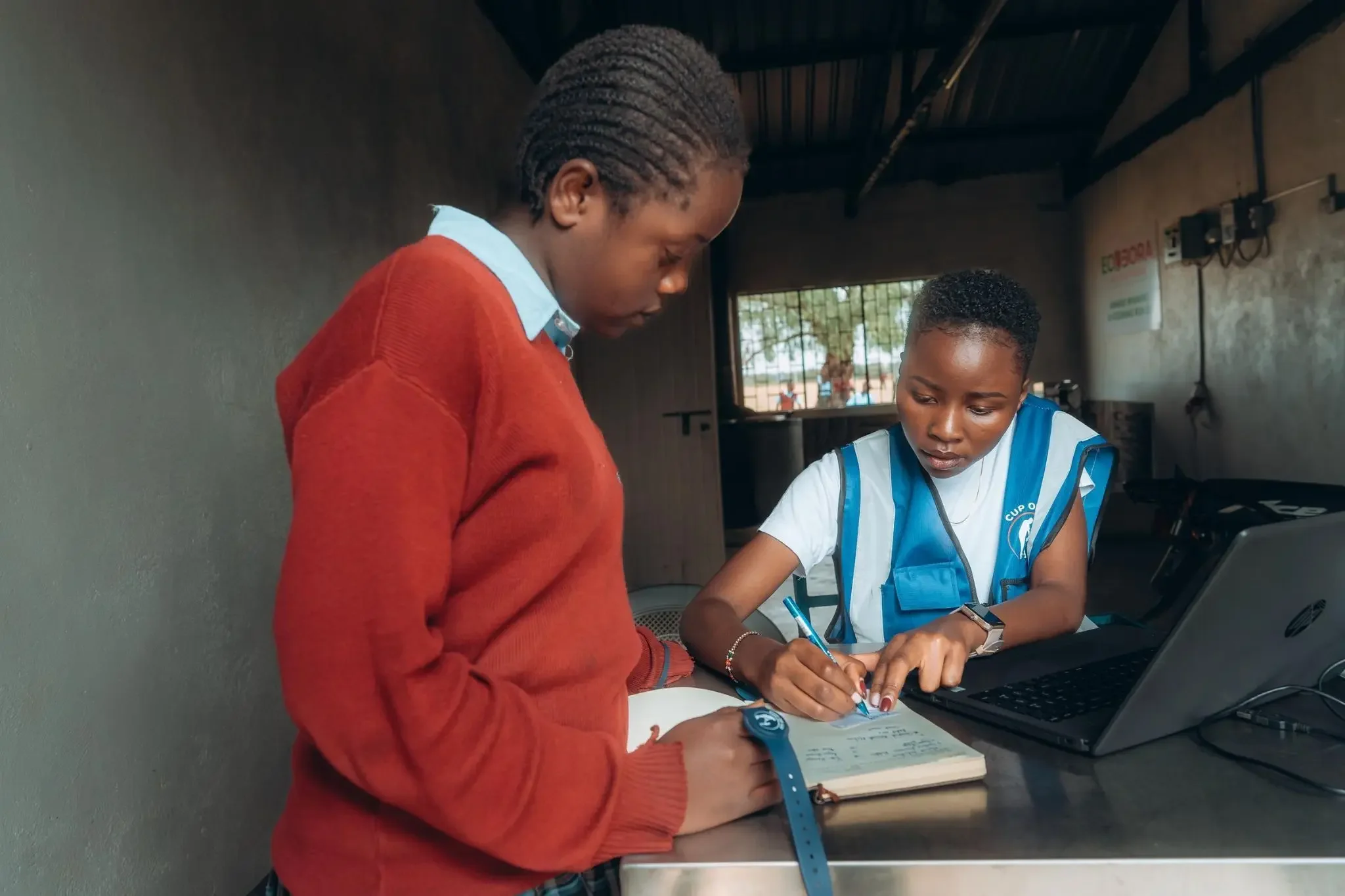
The collection also extends into project and career management. Students can use shared folders, meeting notes, budgets and member availability to coordinate clubs, or combine verified experience notes, résumés, portfolios and job descriptions to manage applications.
A website workflow uses Sites to build and test a project from student-supplied content and design requirements.
K-12 templates focus on planning and materials
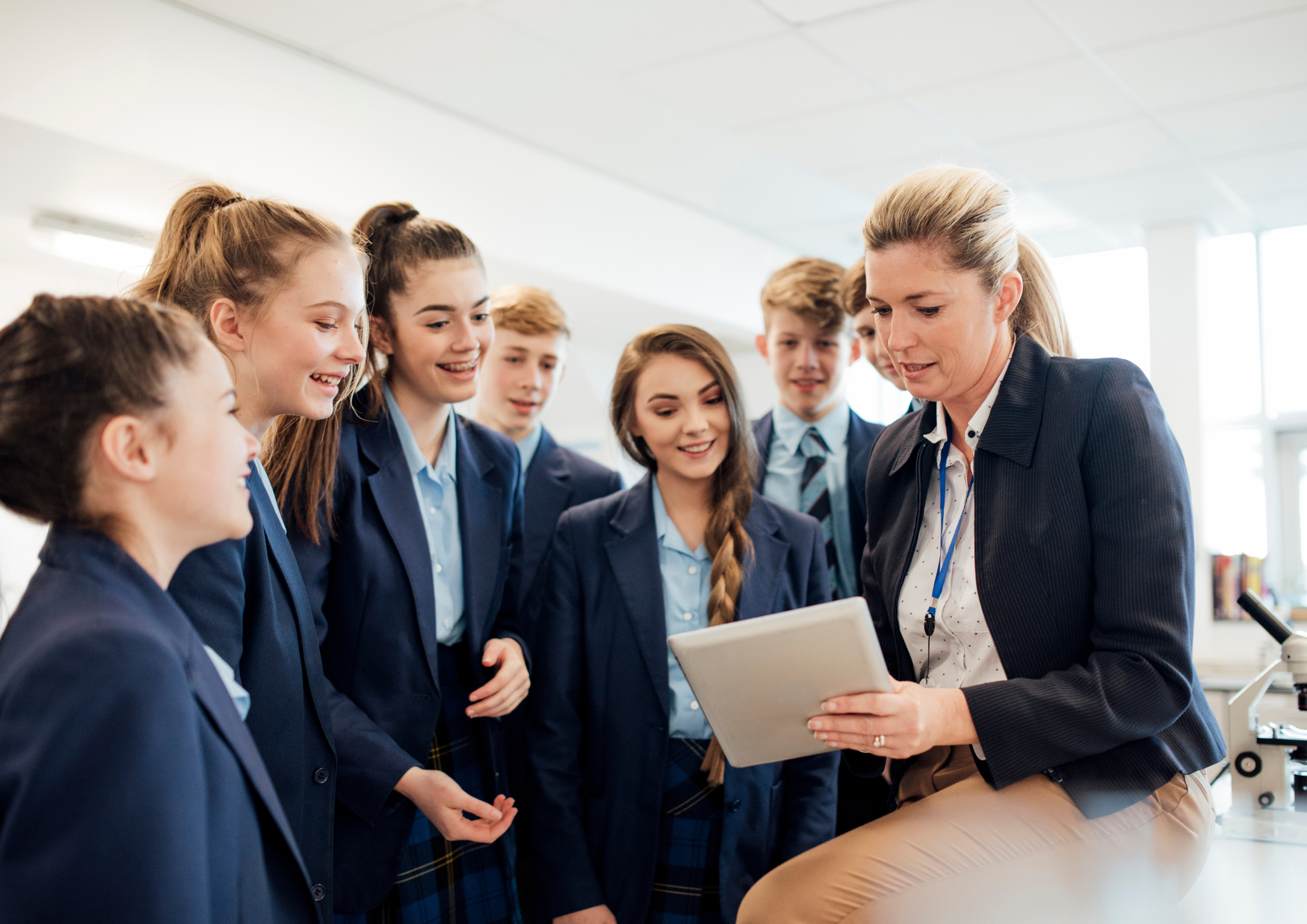
For K-12 teachers, the collection provides examples for organizing lesson files, building unit plans, creating lesson decks and companion materials, revising lesson packages and developing interactive resources.
The unit-planning workflow can draw on standards, curriculum guidance, previous lessons and school calendars. Teachers can then use a reviewed plan to produce slides, handouts, practice questions and other classroom materials.
ChatGPT for Education said on LinkedIn that the collection is intended to give educators "concrete starting points they can adapt, review, and make their own."