AI literacy and infrastructure dominate startup discussions at AI House Davos
Discussions at AI House Davos highlighted a clear shift in how startups and enterprises are approaching artificial intelligence, with speakers arguing that AI literacy, infrastructure, and workflow redesign now matter more than experimentation or speed alone.

Photo credit: AI House Davos
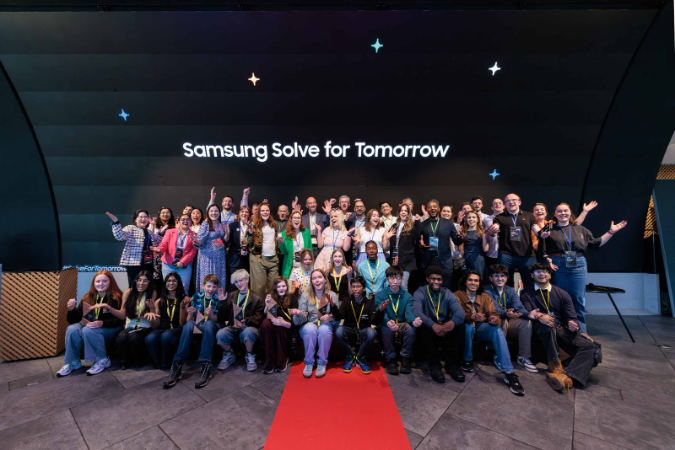
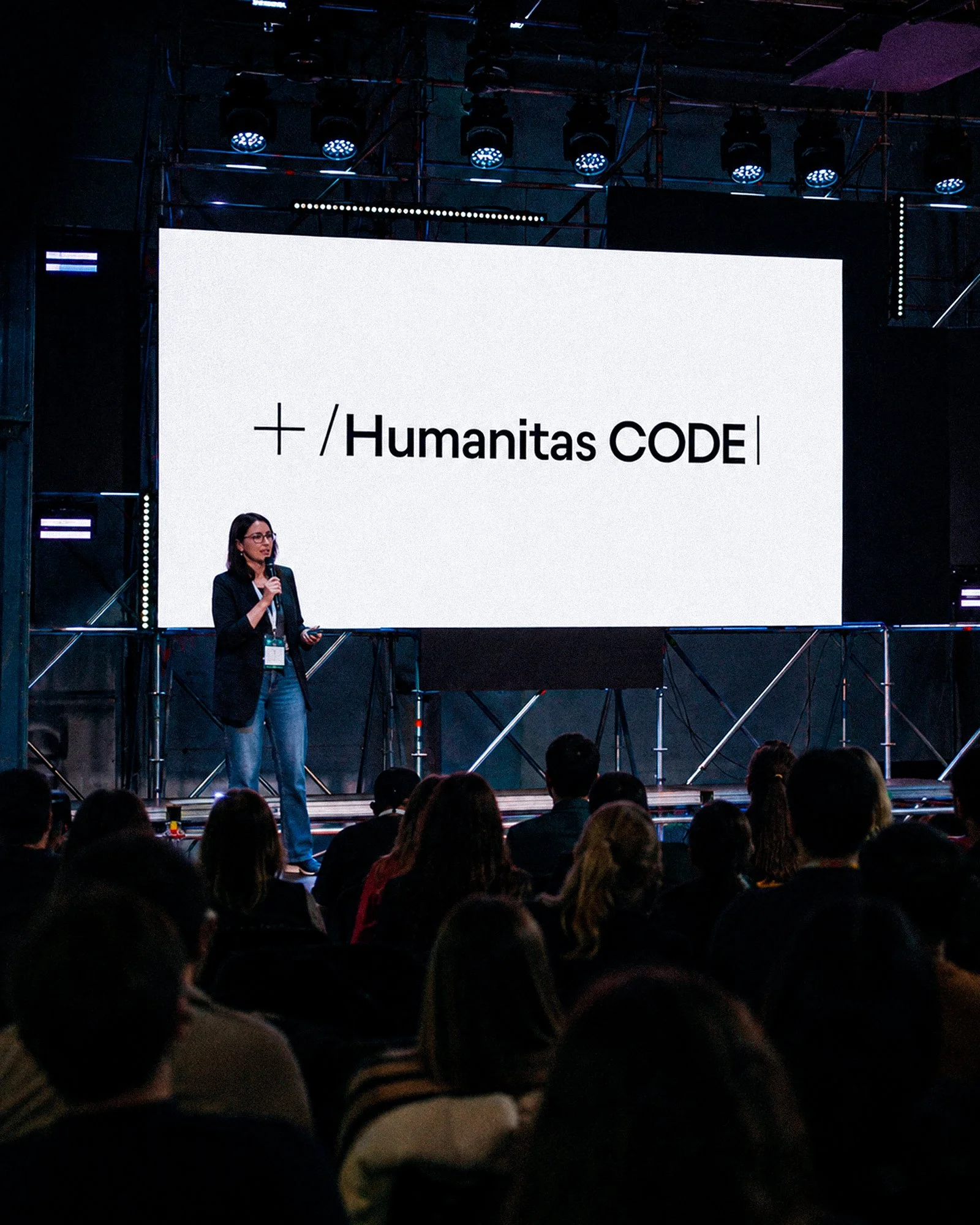
AI House Davos, a multi-day forum held alongside the World Economic Forum in Switzerland, brought together startup operators, enterprise executives, researchers, and policymakers to examine how artificial intelligence is moving from pilot projects into core business infrastructure.
Rather than focusing on product launches or funding announcements, the agenda centered on how AI is being built, deployed, and governed across sectors including manufacturing, healthcare, sustainability, and governance.
That framing set the context for a series of panels that positioned AI less as a standalone tool and more as a system-level capability reshaping productivity and competitiveness.
OpenAI startup lead points to expanding AI skill requirements
Laura Modiano, Startups EMEA at OpenAI, took to LinkedIn following her appearance at AI House Davos to outline what she described as five takeaways from a discussion on building startups in the age of AI.
OpenAI develops large-scale artificial intelligence models and developer platforms used by startups and enterprises to build and deploy AI-powered products.
Modiano appeared on stage with Nicole Büttner, Founder and CEO of Merantix Momentum; Alex Ilic, a technology executive focused on AI strategy; Andrew Ng, Founder of DeepLearning.AI and Professor of Computer Science; and Andy Hock, a senior technology executive working on AI-driven products.
Reflecting on the discussion, Modiano wrote that AI tool usage was no longer limited to technical teams.
Laura Modiano wrote, “AI Tool literacy is essential. The need to use AI tools like Codex and the OpenAI API platform is spreading across every role, not just engineers: product, sales, BD, and ops increasingly need to understand and work with AI directly.”
She also argued that faster development cycles alone no longer provide meaningful differentiation.
Modiano noted, “Speed is now table stakes. AI collapsed time-to-value, and defensibility no longer comes from moving faster than humans but from workflow redesign that focuses on outcomes.”
Workflow redesign overtakes point automation
Several of Modiano’s observations focused on the limits of applying AI to isolated tasks, a theme that echoed across multiple Davos sessions.
She emphasized, “Transformation ≠ automation. Replacing a single step with AI delivers efficiency but real impact comes from redesigning entire products and workflows to change outcomes not just cut costs.”
As AI lowers the cost of building and iteration, Modiano suggested that product judgment is becoming the main constraint. She wrote, “Understanding users matters most. When building becomes cheap, deciding what to build becomes the constraint: taste, user understanding, and point of view matter more than ever.”
Infrastructure improvements were also framed as a source of structural change rather than incremental gains.
Modiano added, “Faster infrastructure enables new categories. Lower latency and agentic systems don’t just improve existing products, they unlock entirely new experiences and business models.”
Davos panel underscores urgency around governance and trust
In a separate LinkedIn post, Nicole Büttner, Founder and CEO of Merantix Momentum, Founding Partner at Merantix Capital, and World Economic Forum Digital Leader for Europe, reflected on hosting a panel titled The Great Rewiring: AI, Industry, and the Architecture of Global Resilience at AI House Davos.
Büttner observed that the discussion reinforced how far AI adoption has moved beyond experimentation.
Büttner wrote, “AI has moved far beyond experimentation. It is no longer an add-on or efficiency tool at the margins. AI is becoming foundational infrastructure, reshaping productivity, competitiveness, and resilience across industries and economies.”
The panel included Mallik Rao, Chief Technology and Enterprise Officer at Telefónica Germany, and Pravina Ladva, Group Chief Digital and Technology Officer at Swiss Re. Büttner explained that the conversation focused on how economic value is shifting toward organizations that redesign their core processes around AI rather than optimize existing ones.
She stated, “Value is increasingly created by organizations that combine data, models, and infrastructure to fundamentally redesign their core processes rather than simply optimize existing ones.”
As AI systems move into mission-critical environments, Büttner argued that governance and human oversight are becoming prerequisites for scale.
Büttner concluded, “As AI scales into mission-critical systems, governance, accountability, and human judgment are not constraints on innovation, but essential enablers of responsible scale.”
ETIH Innovation Awards 2026

The ETIH Innovation Awards 2026 are now open and recognize education technology organizations delivering measurable impact across K–12, higher education, and lifelong learning. The awards are open to entries from the UK, the Americas, and internationally, with submissions assessed on evidence of outcomes and real-world application.