Using AI simulation in PMHNP online education
You need to know more than which questions to ask or what treatment options are available as a psychiatric mental health nurse. You also need to be able to communicate with patients, recognize changes in behavior, assess symptoms and make sound decisions even when situations are complex.
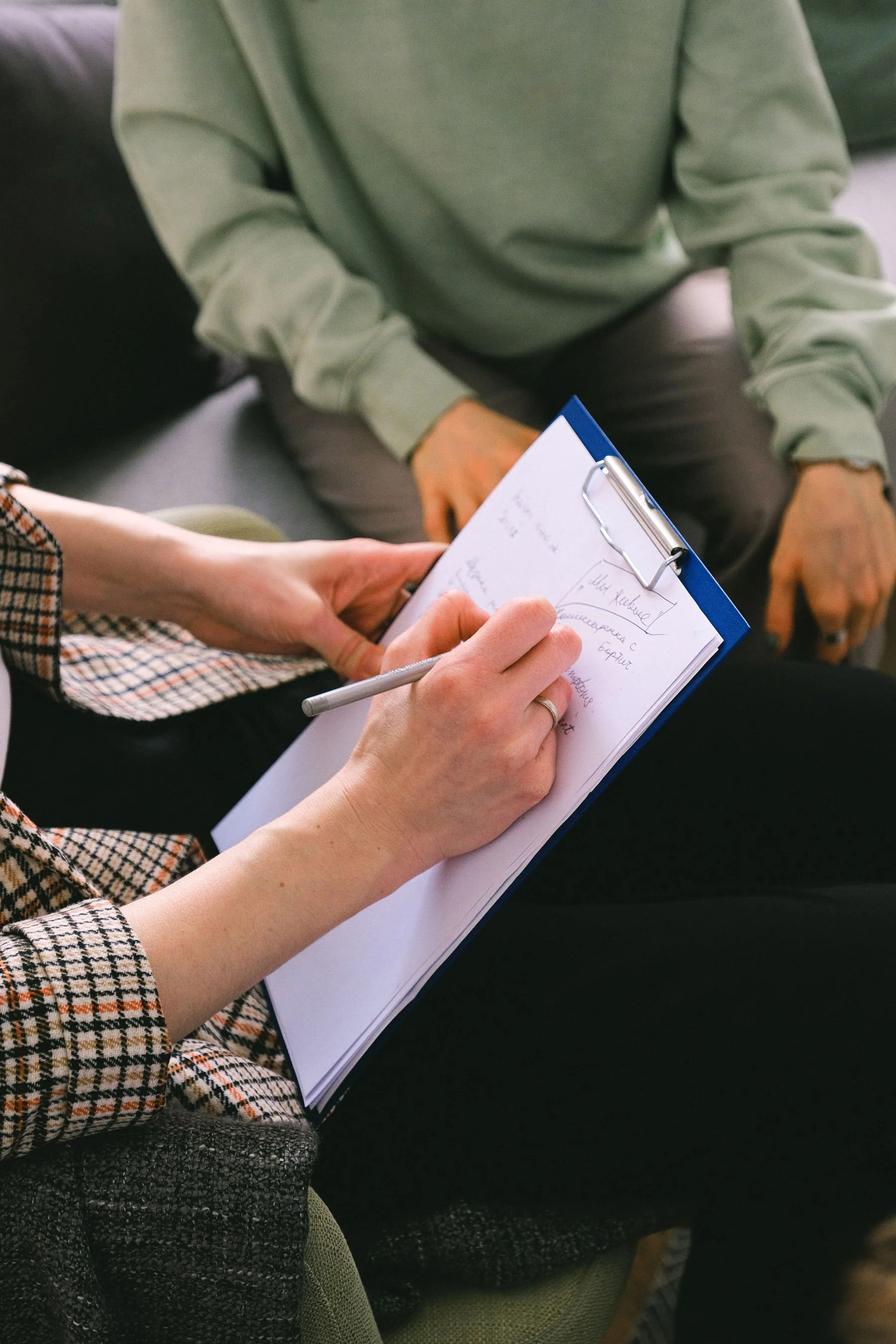
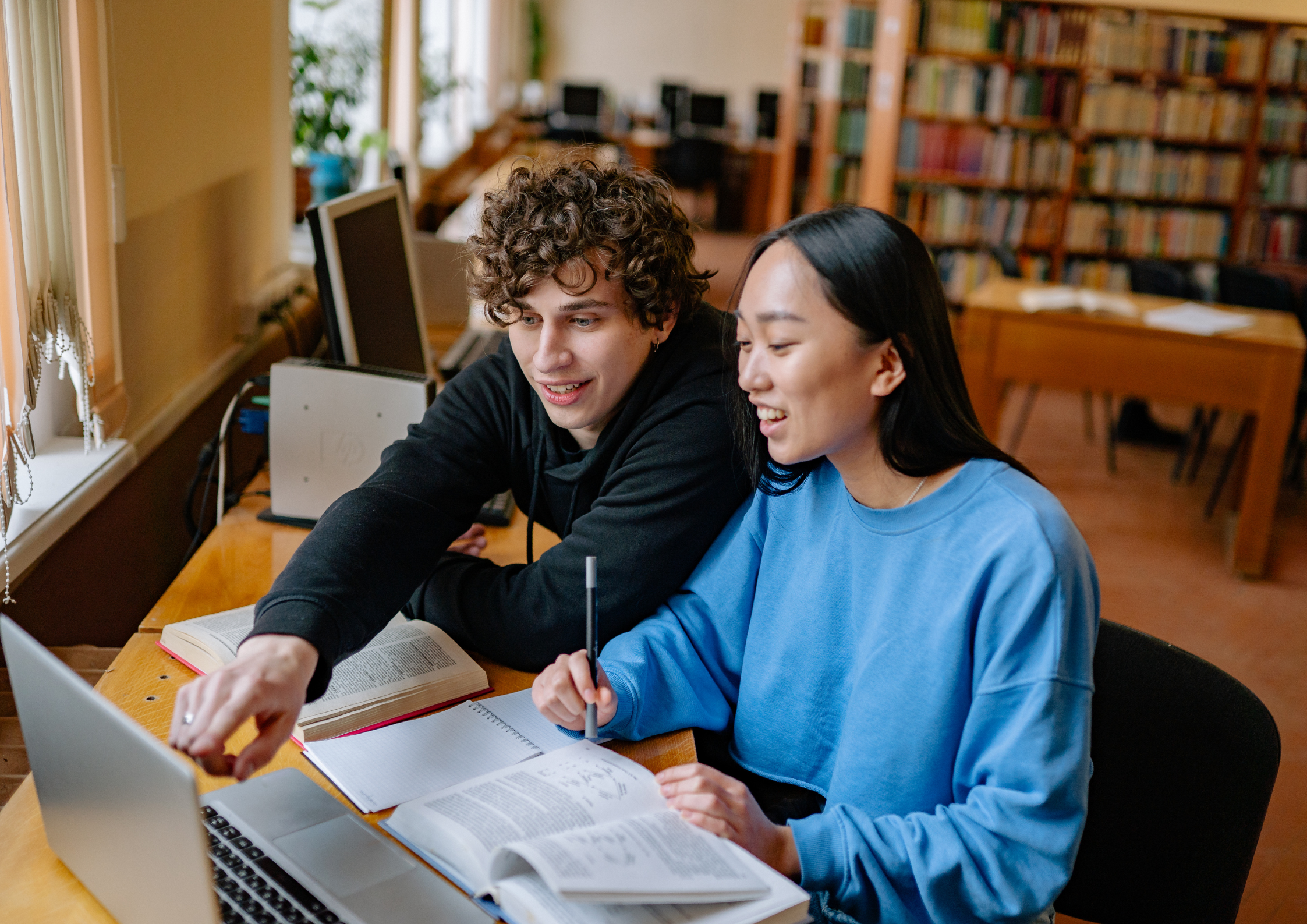
Image credit: Pexels
That can make online education tricky. Students need flexibility, but they also need opportunities to practice what they learn. A PMHNP online program can use AI simulation to provide some of that practice. This allows students to rehearse clinical conversations and decision-making before encountering similar situations in practice.
It's worth considering where AI simulation belongs in PMHNP education and where it does not.
Competency standards are raising curriculum expectations
Nursing education is facing changing expectations around how students show their capabilities. The Revised Commission on Collegiate Nursing Education (CCNE) accreditation standards take effect on January 1 2027. This has put a greater emphasis on how programs define and assess student competencies.
And now the connection between coursework and practical outcomes is especially important. Students might complete a portion of their academic learning remotely. But their education can't remain just theoretical. They need to be able to put their knowledge into practice.
A well-designed PMHNP online program should show how coursework, simulation and clinical experiences all go towards observable skills. These skills include therapeutic communication, patient assessment and clinical reasoning.
Rather than simply reading about difficult conversations, students can use simulation to practice them and become more familiar with the kinds of situations they might encounter later in clinical settings.
AI simulation offers low stakes rehearsal
AI simulation allows students to practice without the pressure of a real patient encounter. They can work through a scenario, make mistakes, try another approach and repeat the exercise.
That's important in psychiatric care. Asking about symptoms, discussing distress or responding to a sensitive disclosure can feel very different in practice than it does on a page.
Research suggests that there are a number of areas where AI simulation can help. A review of 19 studies found improvements in knowledge and communication confidence. Although results for more complex clinical skills were less consistent.
An AI patient can provide useful rehearsal, but completing a simulated scenario doesn't demonstrate independent clinical competence.
Instead AI can give students another chance to practice before moving into more demanding simulation and supervised patient care.
Psychiatric communication requires human nuance
There is only so much an automated conversation can capture. A patient might hesitate before answering, change their tone or become withdrawn, frustrated or visibly distressed. A clinician needs to notice these changes and decide how to respond.
AI-generated patient dialogue can imitate some situations, but it can't replace the complexity of a real human interaction. That's especially relevant in psychiatric nursing, where trust, rapport and communication are central to effective care.
Supervised clinical encounters remain essential. A preceptor can assess how a student builds rapport, responds to concerns, maintains professional boundaries and considers patient safety.
AI simulation can still help students feel less apprehensive about difficult conversations. The key is understanding what simulation prepares them for rather than treating it as equivalent to real-world experience.
Faculty oversight makes technology more accountable
AI simulation also needs human oversight. Faculty members can determine whether scenarios reflect situations students are likely to encounter, review them for potential bias and identify weaknesses in the feedback. They can also decide which learning outcomes require assessment by a person.
Debriefing adds another layer. A student might complete an AI scenario successfully without understanding why a particular response worked. Discussing it with an instructor can turn the exercise into a deeper learning experience.
Students should also understand that AI feedback isn't the same as an instructor's assessment of clinical performance. Clear boundaries allow students to learn from mistakes while recognizing that faculty and clinical preceptors determine professional competence.
A blended model protects practice readiness
The strongest role for AI simulation in PMHNP education is as part of a broader model rather than a standalone solution.
Online coursework can build theoretical knowledge, while AI-supported exercises provide opportunities for clinical decision-making. Live simulation adds realism and supervised clinical placements allow students to apply their skills with actual patients.
For prospective students, it's worth looking beyond whether a program advertises the use of AI. The more useful question is how the technology fits into the curriculum. Is it providing more opportunities to practice or is this being presented as a substitute for meaningful clinical experience?
For psychiatric mental health nursing, that difference is important. Technology can create opportunities to learn and reflect. But it can't remove the need for human judgment.
The measure of an online PMHNP education is not how advanced its technology appears. It's whether students have the right opportunities to show that they are ready to care for people.