Top ten EdTech stories of the week: AI scrutiny, system shifts, and sector pressure
From higher education reform and K–12 classroom tools to funding scrutiny, platform consolidation, and warnings from policy think tanks, last week’s biggest EdTech developments pointed to a sector under growing pressure to prove what works in an AI-shaped landscape.

Last week reflected a more accountable phase of AI adoption across education and workforce systems. The emphasis shifted toward evidence, evaluation, and governance, with growing scrutiny on whether new tools and programs genuinely improve learning outcomes, protect students, and support educators. At the same time, institutions and vendors continued to adjust for scale, through consolidation, new research efforts, and more structured approaches to AI literacy and classroom use. The overall direction was clear: expectations are tightening, and the bar for what counts as “working” in EdTech is rising.
10. Microsoft VP highlights Penn State Smeal as AI becomes prerequisite for students
At number ten, higher education faced growing pressure to treat AI as a baseline skill rather than an optional add-on. A senior Microsoft public sector executive pointed to Penn State’s Smeal College of Business as an example of how universities are embedding AI across teaching, research, and operations, reflecting rising employer expectations and student demand for AI fluency at graduation.
9. OpenAI deepens European startup push with on-campus STATION F partnership
Taking the ninth spot, OpenAI moved closer to Europe’s AI startup ecosystem by formalizing an on-campus partnership with Paris-based STATION F. The shift from ad-hoc engagement to a permanent presence signals how access to frontier models, infrastructure, and technical support is becoming central to how AI startups scale from day one.
8. NYU and SUNY set up evidence lab to test higher education programs in the AI era
At number eight, two of the largest U.S. university systems launched a joint effort to bring evidence back into higher education reform. NYU and SUNY announced a shared lab designed to rigorously evaluate which campus programs actually improve student outcomes in an AI-shaped economy, responding to growing concern that innovation is outpacing proof.
7. Microsoft rolls out Elevate for Educators and expands AI tools across K–12 and higher education
Sitting at number seven, Microsoft expanded its education strategy with new professional learning programs, AI-powered teaching tools, and student offers tied to Microsoft 365 Copilot. The rollout reinforced how major platform providers are positioning AI literacy, credentials, and classroom integration as core to workforce readiness rather than supplementary support.
6. Brookings warns AI risks to students now outweigh benefits, urges immediate action
At number six, a major Brookings Institution study warned that the risks of generative AI use in education now outweigh the benefits, particularly for foundational learning. Drawing on global research, the report called for immediate action to protect students, strengthen governance, and ensure AI supports learning rather than undermines it.
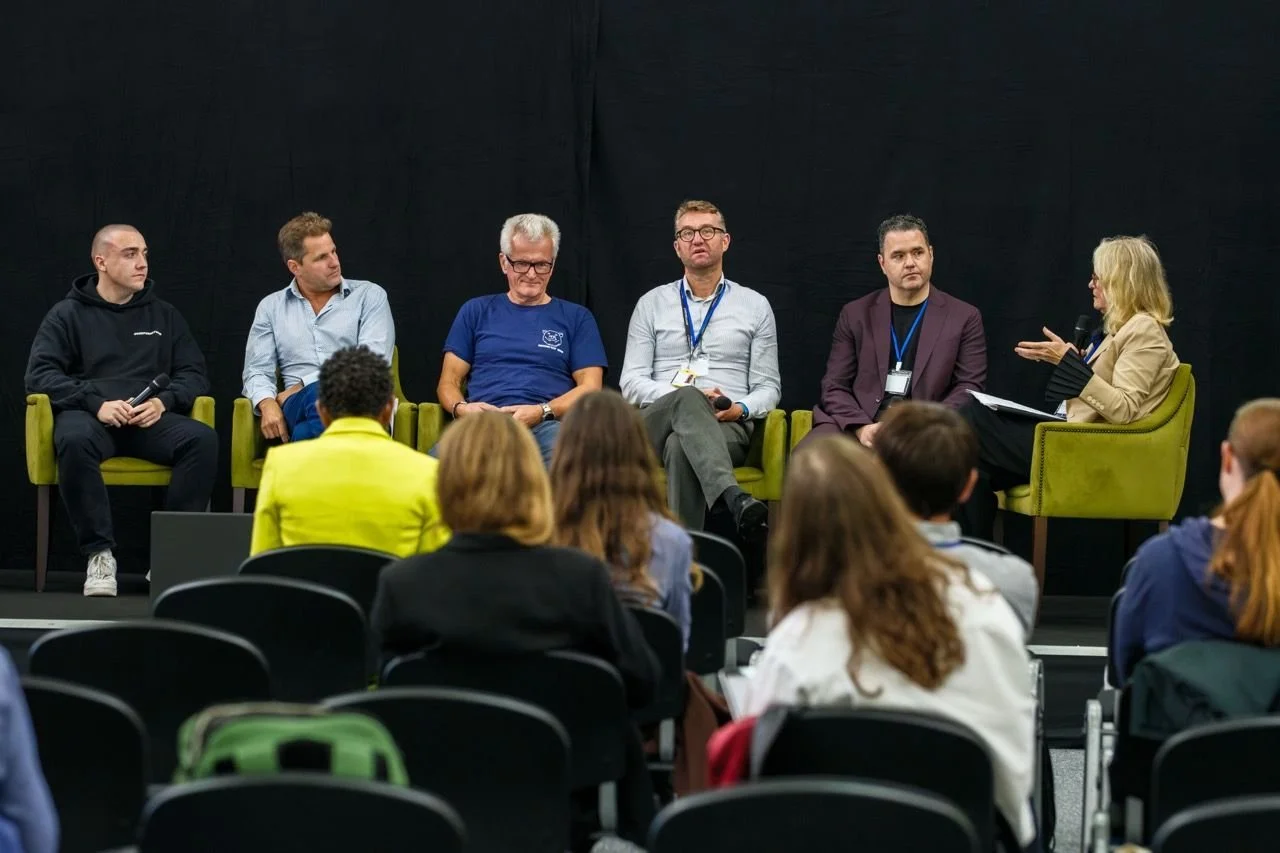
5. ETIH shares ten things to watch at Bett UK 2026
With Bett UK 2026 approaching, ETIH reviewed the agenda and wider show experience to highlight ten sessions, formats, and moments we are most looking forward to this year. The list spans Arena keynotes, Higher Education policy discussions, operational leadership sessions, SEND-focused content, hands-on Tech User Labs, and opportunities for peer conversation across the three-day event.
Ellucian completes acquisition of Anthology SIS and ERP business
In at number four, Ellucian has completed its acquisition of Anthology’s Student Information Systems and ERP business, bringing more than 260 institutions into its portfolio. The transaction follows Anthology’s Chapter 11 process and expands Ellucian’s footprint across core student systems used by universities globally.
3. Sora Schools raises $10 million following CEO critique of traditional schooling
Entering the top three, Sora Schools has raised $10 million in a new funding round, taking total investment to $31 million. The announcement was shared on LinkedIn by CEO Garrett Smiley, who questioned whether conventional middle and high school models are equipped for an AI-driven economy and outlined plans to expand Sora’s project-based, online learning model.
2. Quill.org joins $2.8 million initiative to evaluate AI literacy tools
Taking the second spot, Quill.org is partnering with Leanlab Education and Learning Commons on a $2.8 million initiative to assess the quality and reliability of AI-powered literacy tools used in classrooms. The work focuses on evaluating AI-generated feedback and reading materials against research-backed instructional standards using shared datasets and testing protocols.
1. LEGO Education launches K–8 computer science and AI classroom platform
Claiming the top spot this week, LEGO Education has launched a new computer science and AI classroom platform for K–8 students, with shipping set to begin in April 2026. The solution combines physical materials, coding tools, and curriculum-aligned lessons and will replace the existing SPIKE Prime and SPIKE Essential ranges.