Stanford students test Claude in hackathon focused on real-world problem solving
Student-led build event highlights how AI tools are being used to test decisions, support users, and address practical challenges in short development cycles.
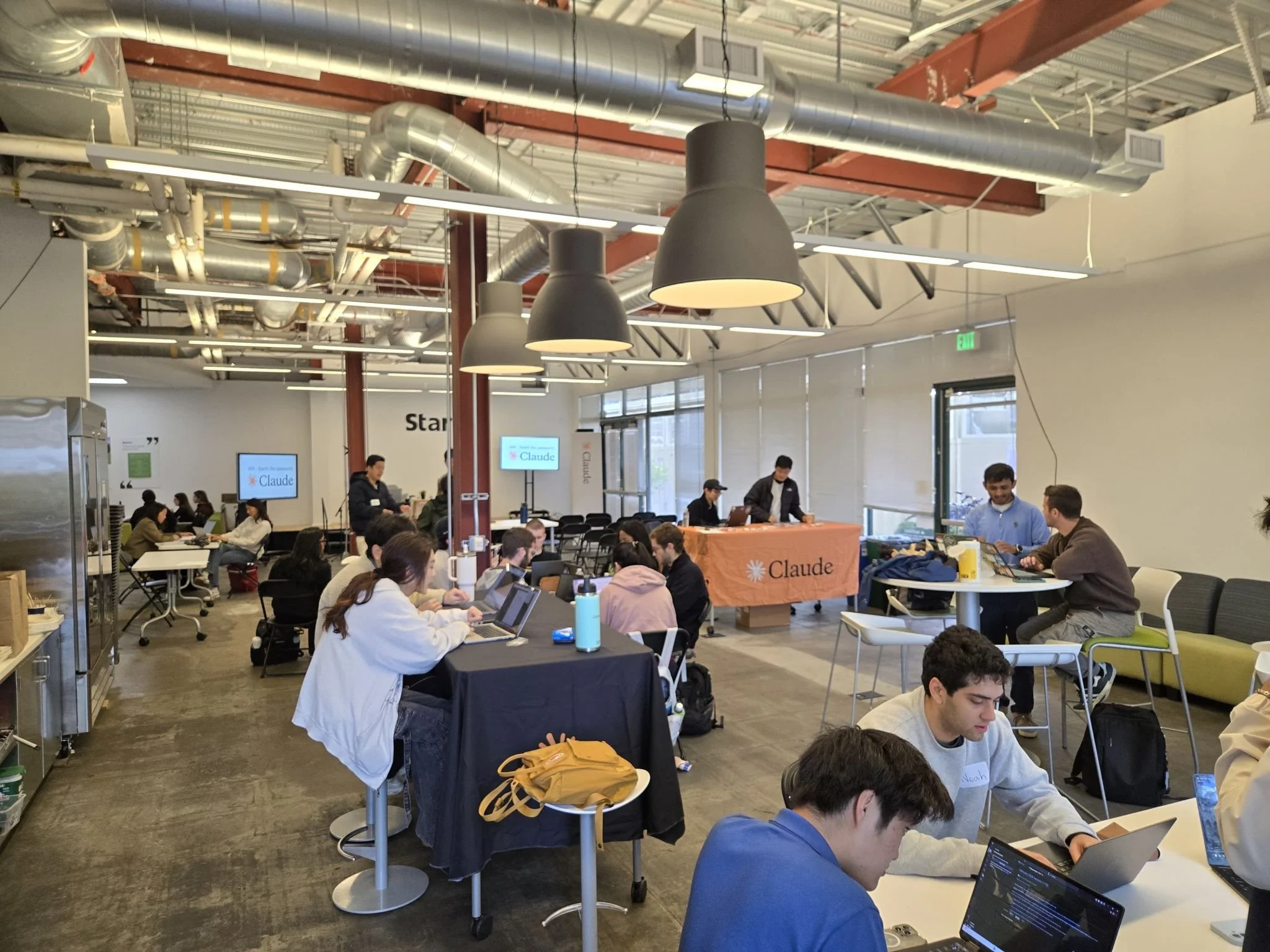
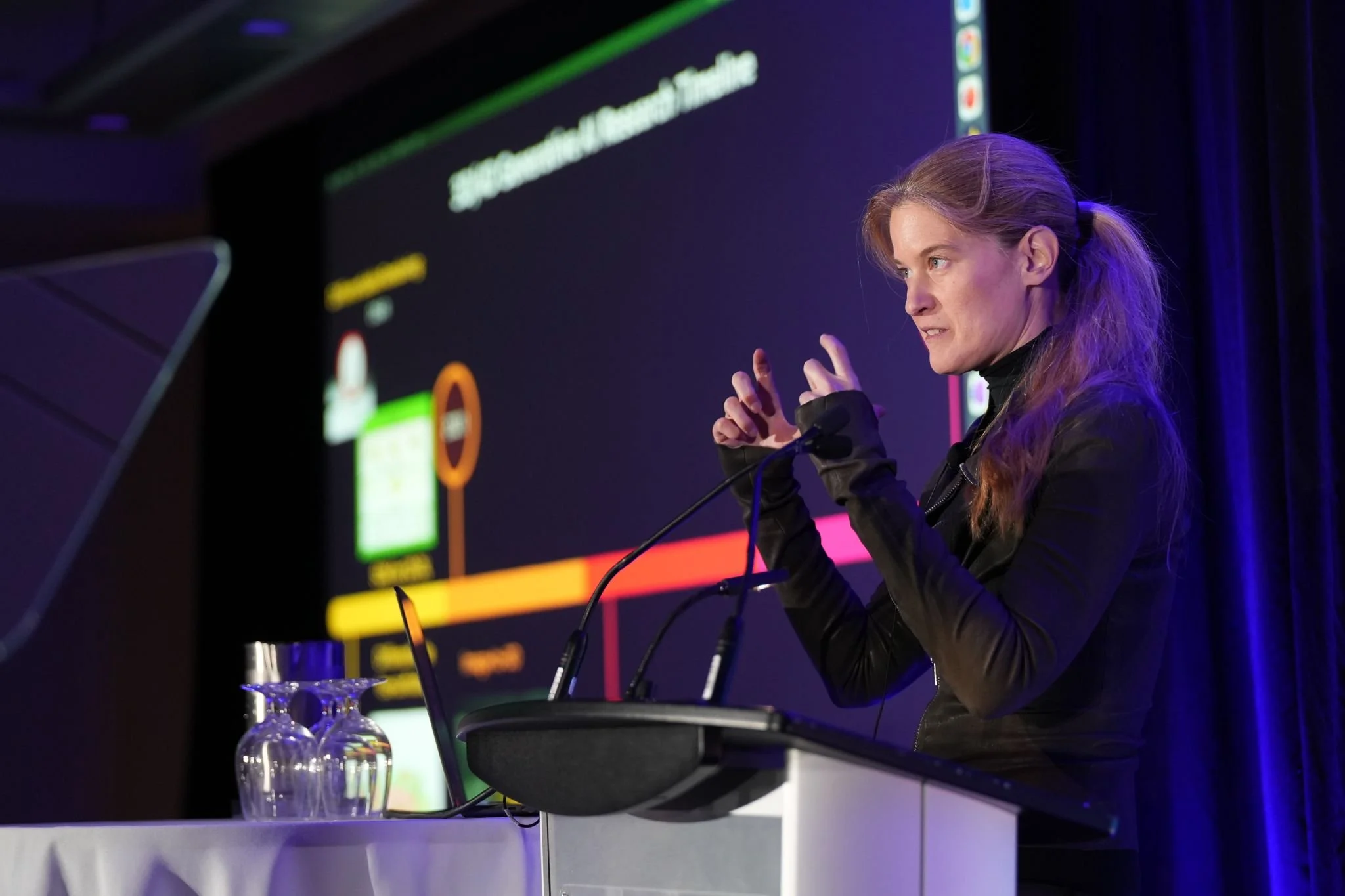
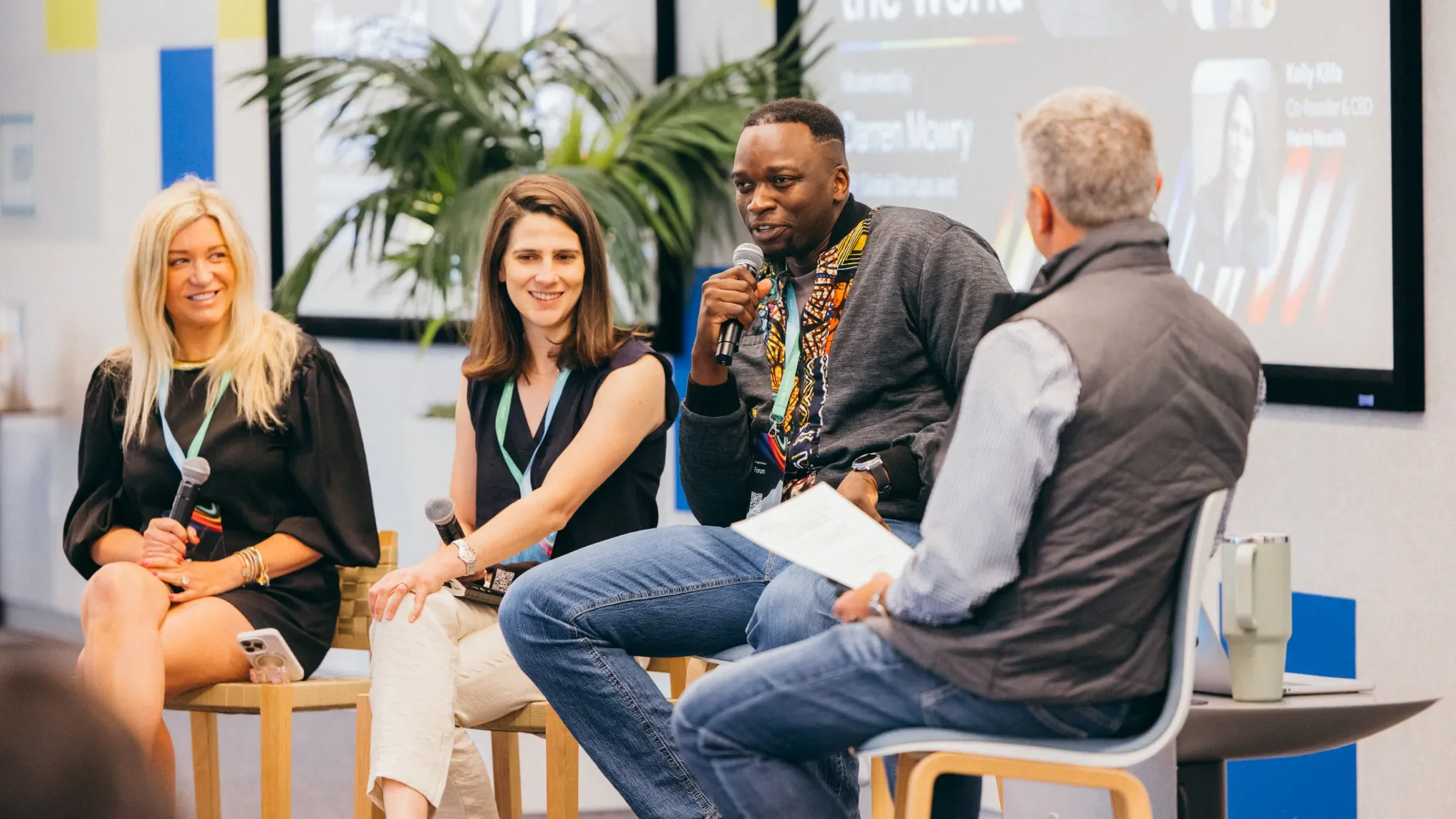
Students build AI-powered tools using Claude during a Stanford hackathon organized by the Claude Builder Club Photo Credit: Arinze Obiezue
Stanford University students built a series of AI-driven tools using Anthropic’s Claude model during a recent hackathon organized by the Claude Builder Club, with projects targeting healthcare, education, and administrative challenges.
The event signals how quickly students are moving from learning about AI to applying it in practical, problem-focused settings.
The hackathon, organized by Stanford MBA candidate Arinze Obiezue, brought together around 50 students to develop working prototypes in a limited timeframe. Participants focused on use cases including support for Alzheimer’s patients, tools to navigate U.S. immigration processes, and systems to help students manage workloads and coordination.
Obiezue shared details of the event in a LinkedIn post, noting both the pace of development and the range of applications built during the session.
Short-form builds surface decision-focused AI use cases
Among the projects, a tool called Crucible was selected as the standout entry. Developed by Kartikeya Goel, Noah Sabbavarapu, and Max Yan, the system is designed to test user decision-making rather than reinforce it.
The tool uses a multi-agent structure where separate AI components frame a decision, identify assumptions, generate opposing arguments, and then produce a recommendation with defined confidence levels and conditions that could change the outcome.
The approach reflects a shift in how AI is being used in student-built tools, moving from answer generation toward structured reasoning and decision support.
Hackathons move from learning to application
The event was supported by contributors from StartX, Slow Ventures, Plaud, Maritime, Netflix, and the Stanford Accelerator for Learning, highlighting the mix of academic and industry involvement in early-stage AI experimentation.
The Claude Builder Club @ Stanford also promoted the event on LinkedIn ahead of the session, positioning it as a move beyond workshops toward hands-on development using AI models.
Projects developed during the hackathon focused on real-world scenarios, with participants working within a few hours to build functional prototypes. This format continues to be used as a testing ground for how quickly students can translate AI capabilities into usable tools.
Interest in the event exceeded available capacity, with more than 200 students reportedly seeking to participate. Organizers indicated that future events will expand to accommodate larger groups.
The level of demand points to a shift in student expectations, with a growing emphasis on building and experimenting with AI systems rather than only studying them. For EdTech and workforce development, this trend aligns with increased focus on applied AI skills and hands-on learning environments.