OpenAI sets out AI industrial policy strategy under Chief Global Affairs Officer Lehane
Senior hires and new initiatives signal a coordinated approach to AI governance, workforce engagement, and education input.
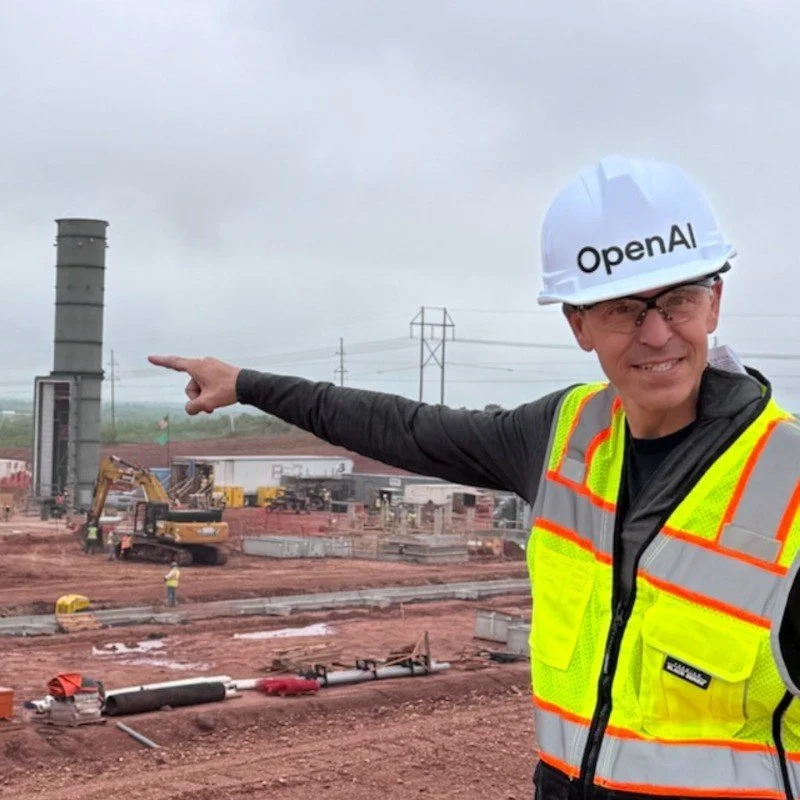
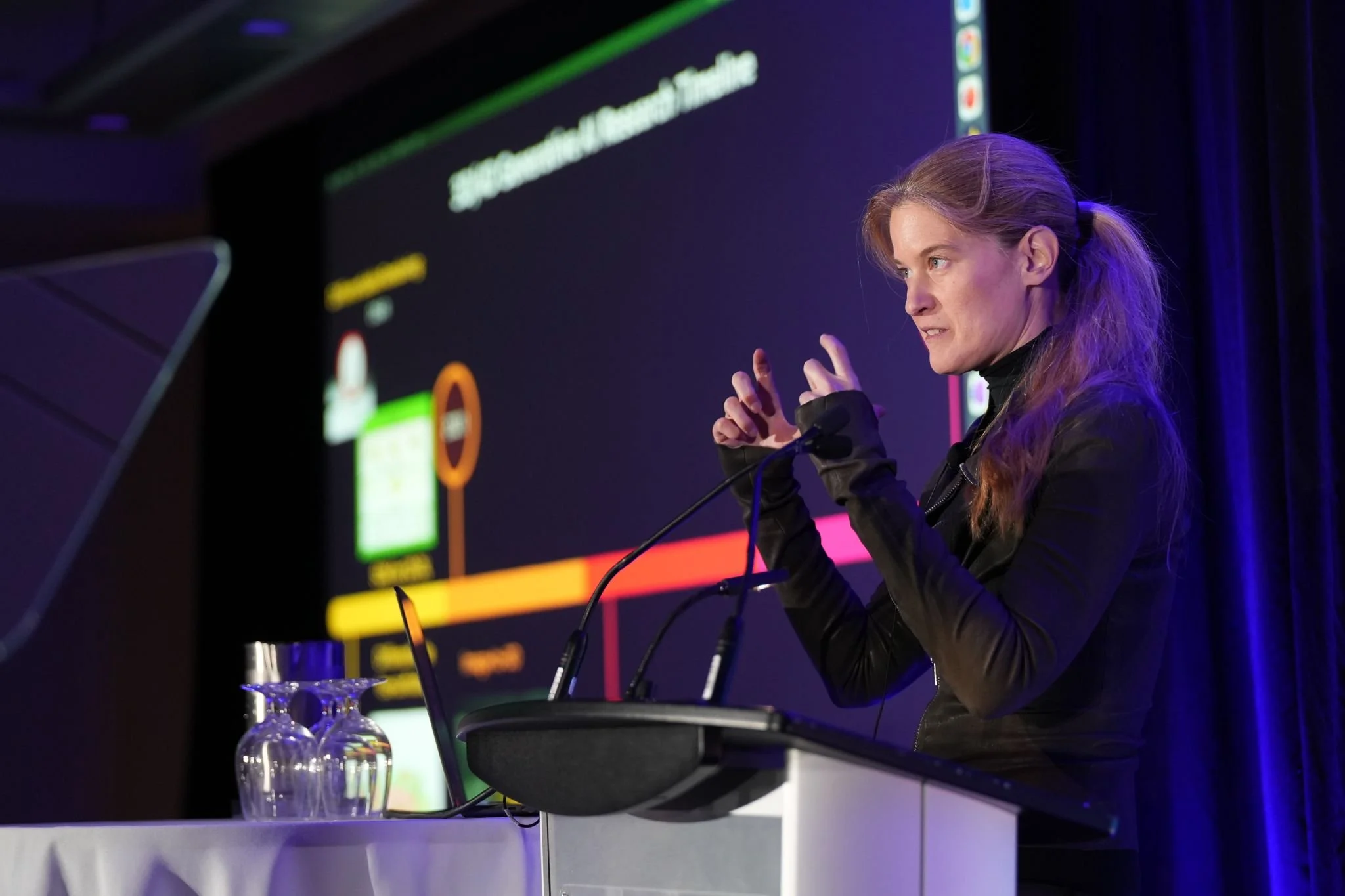
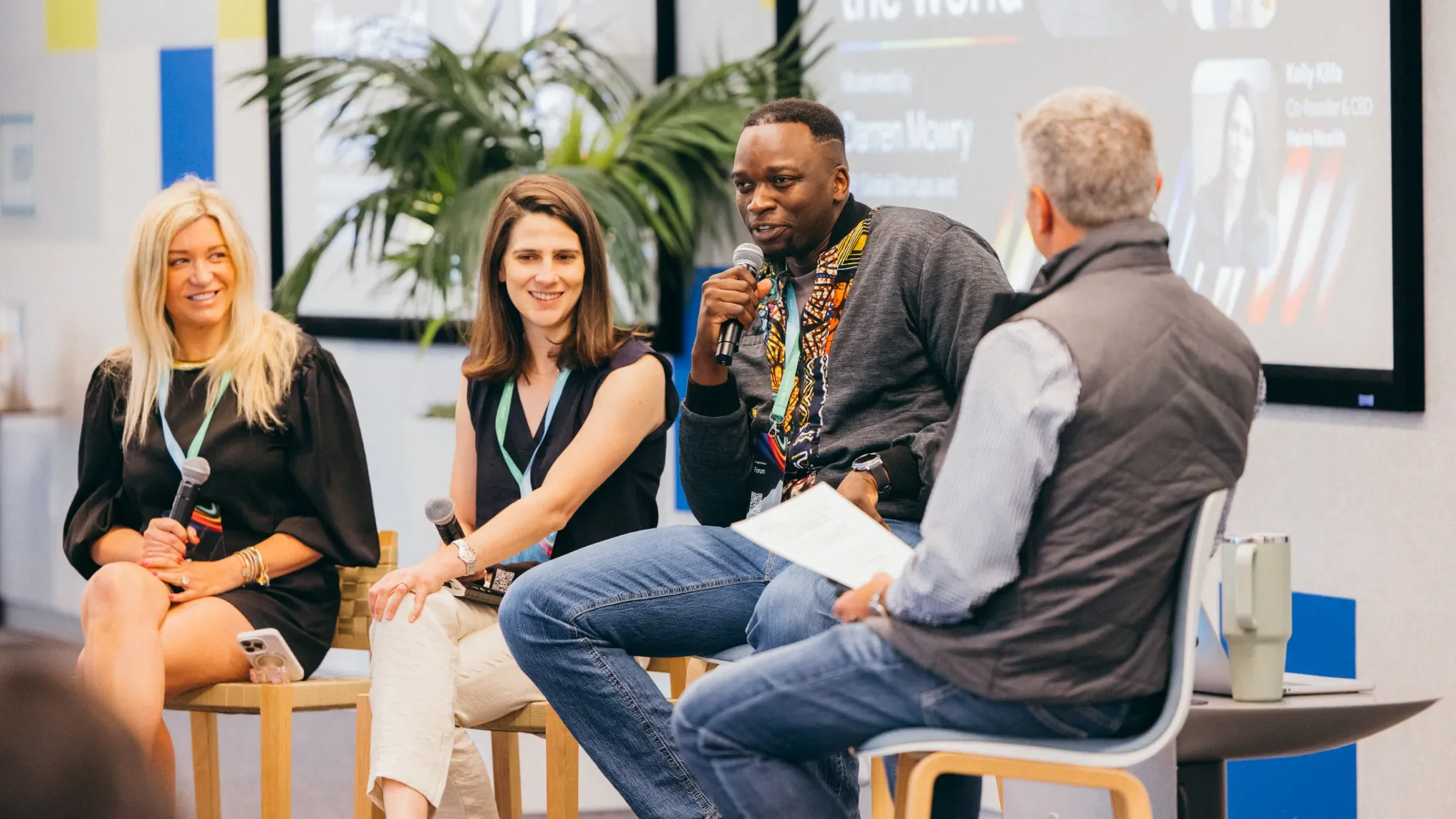
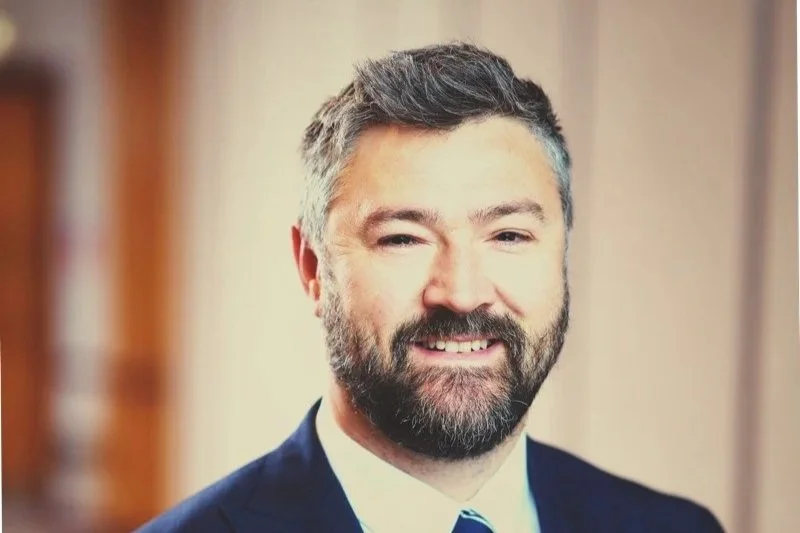
Chris Lehane, Chief Global Affairs Officer at OpenAI, outlines the company’s approach to AI industrial policy and global governance strategy
OpenAI has expanded its global affairs team, bringing in senior hires from across the tech sector to support what it describes as a “National Industrial Policy” for artificial intelligence.
Details of the hiring strategy were shared in a LinkedIn post by Chris Lehane, Chief Global Affairs Officer at OpenAI, where he set out how the company intends to engage with governments and influence AI policy frameworks.
Positioning AI in historical terms, Lehane wrote: “AI is a general-purpose technology on par with electricity and the printing press.”
He went on to explain the rationale behind the hires, noting: “That’s why we’re bringing in talent, under the leadership of VP of Global Policy Ann O'Leary, to drive New Industrial Policy.”
Building a policy team across regions
The expansion includes senior appointments across key markets, with Donnie Fowler leading US state policy, Sanghyun Lee overseeing Asia-Pacific, Tom Duff Gordon covering EMEA, Bruno Lewicki leading Latin America, and Brent Thomas responsible for Australia and New Zealand.
Highlighting the background of these hires, Lehane pointed out: “These new hires are from across the tech ecosystem, including from companies we compete with.”
He framed their experience in operational terms, adding: “They are all leaders with a campaign ethos in their DNA: they’ve operated in contested environments, built coalitions, and moved ideas into action.”
The group brings experience from Meta, Google, Coinbase, Airbnb, and TikTok, with a focus on navigating regulatory environments and translating policy into implementation.
Lehane set out how OpenAI is positioning its approach within national policy discussions, describing the strategy in political terms: “Their candidate is OpenAI’s National Industrial Policy. Their bumper sticker is AI that is ‘free, fair, and safe.’”
He also outlined the intended outcome of this approach, writing: “Their Election Days are getting these ideas translated into laws and frameworks around the world.”
This framing places AI development within the context of legislation and national strategy, rather than product deployment alone.
Education and workforce engagement
Alongside hiring, OpenAI connected its policy work to workforce and education initiatives, including The Workshop, OpenAI Academies, AI Economics Forums, and the OpenAI Forum.
Lehane emphasized the need for real-world input, stating: “If AI is going to work, it has to work for people.”
Expanding on this, he added: “So we’re also engaging directly with those on the front lines—teachers, building trades, and organizations focused on protecting kids—to pressure test ideas, understand real-world impact, and shape better policy.”
Separately, in a LinkedIn post announcing his appointment, Sanghyun Lee outlined the regional dimension of this work and the importance of policy engagement alongside technological development.
Reflecting on the role of governments and institutions, Lee wrote: “When a technology is as powerful as AI, progress is not only about innovation. It is also about how thoughtfully we engage with governments, institutions, and communities to help ensure its benefits are shared broadly and responsibly.”
He also pointed to the role of Asia-Pacific in shaping adoption, noting that the region “will play an important role in shaping how AI is adopted, governed, and trusted.”
For the EdTech sector, the approach signals closer alignment between AI policy, skills development, and classroom use, with increased scrutiny on how tools are implemented for students, teachers, and institutions.