OpenAI launches Learning Lab to build evidence base for AI in education
The research network will bring together researchers, educators, students, and builders to study AI's effects on learning, teaching, assessment, and education systems

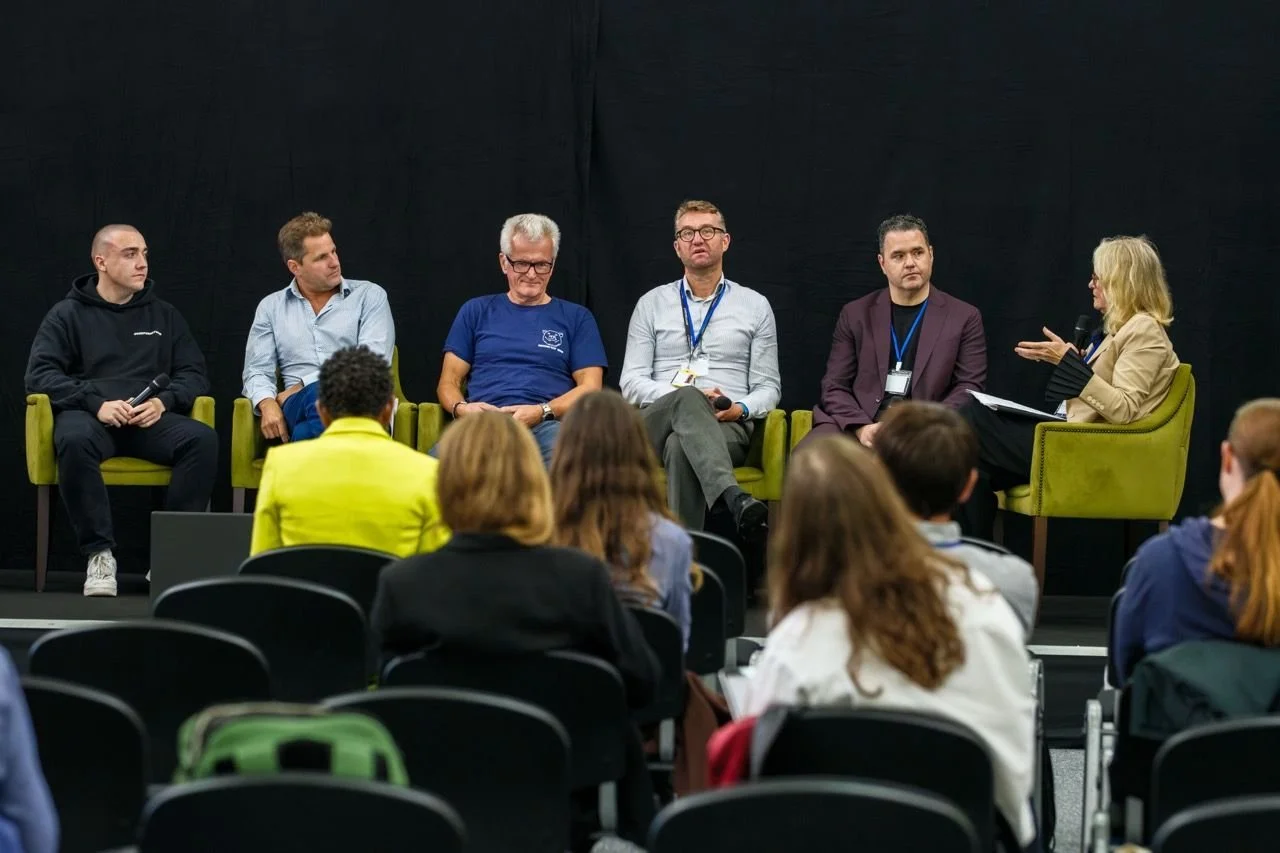
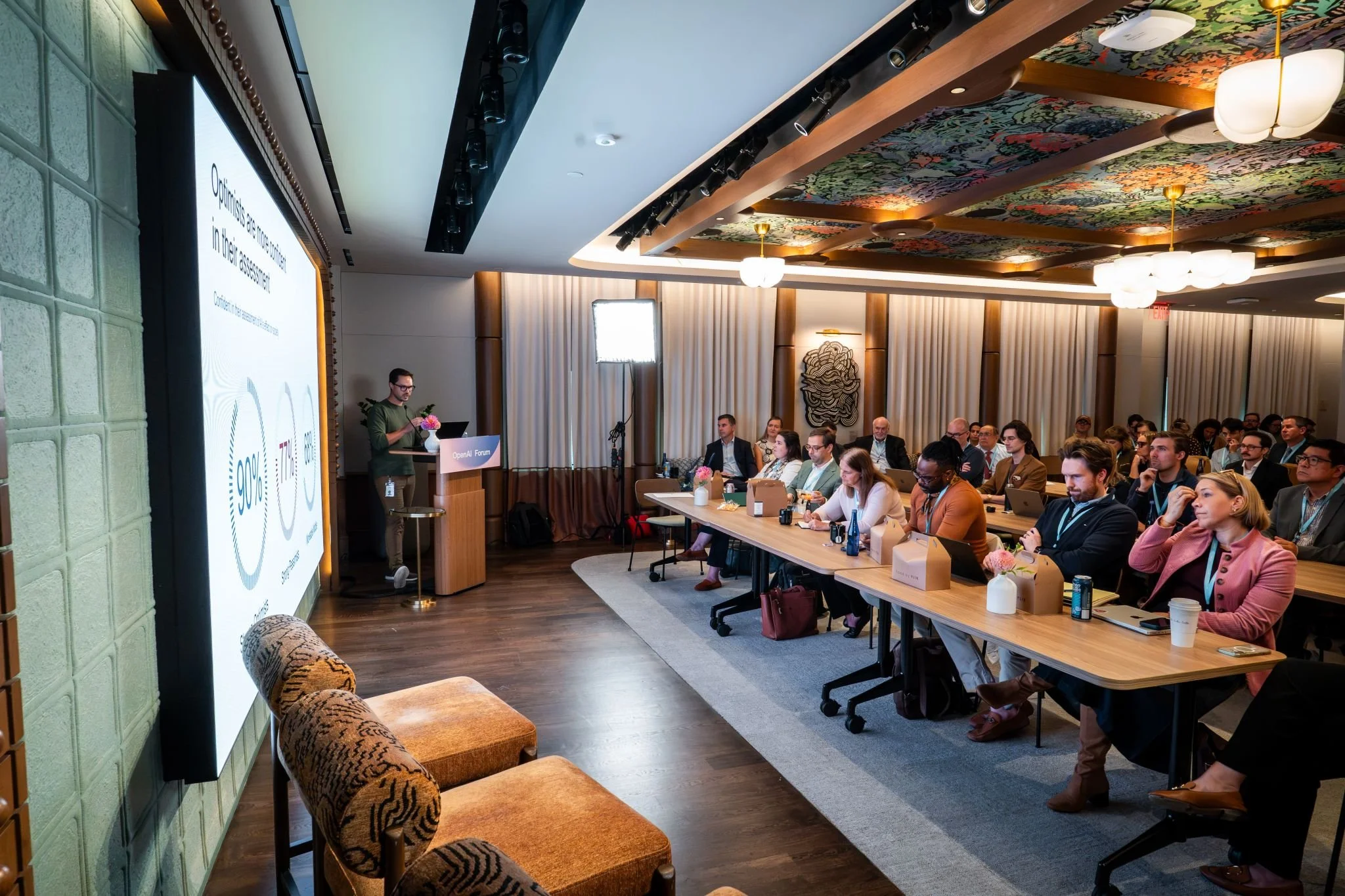
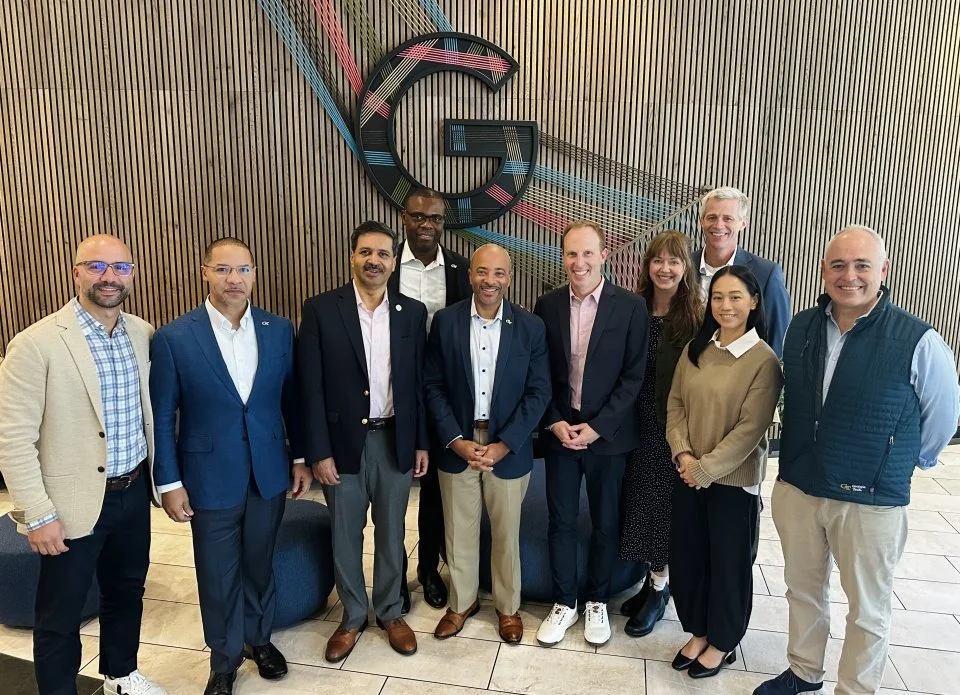
OpenAI Education convened researchers, educators, and builders at its San Francisco headquarters for the first Learning Lab gathering. Image: OpenAI
OpenAI Education has launched the Learning Lab, a research network intended to build a stronger evidence base around how artificial intelligence affects learning as education systems move from pilots toward wider deployment.
The initiative is designed to connect independent researchers, educators, students, and builders across disciplines including learning science, neuroscience, economics, sociology, policy, and technology. OpenAI says the network will develop shared research questions and measures, examine what works across different settings, and feed emerging evidence into both education practice and its own products.
The company is also acknowledging limits in what is currently known. It describes existing research on AI's effectiveness for learning as "early and mixed" and points to the risk that students could use AI to reach answers without doing the thinking needed to build understanding, judgment, and longer-term skills.
"These challenges cannot be solved by a better model or a single study," OpenAI states.
The Learning Lab has three stated goals: maintaining a research network that continues across future model releases, sharing findings that can contribute to the field and inform OpenAI's products, and giving participants greater understanding of frontier AI through hands-on work and access to the company's technical teams.
First convening brings research groups together
OpenAI's Education team held the first Learning Lab convening at its San Francisco headquarters last week, bringing together researchers, educators, and builders from several countries.
Researchers from the University of Tartu presented work connected to Estonia's national AI rollout and their study of how AI affects cognition over time. The University of Tartu and Stanford University are also working with OpenAI on new approaches to measuring learning outcomes.
The meeting opened additional areas of collaboration, including research with Stanford's Accelerator for Learning, participation in the University of Oxford's AIEOU global community of practice, and work on challenges from Cornell University's National Tutoring Observatory.
Students and teachers also contributed to the gathering. Ethan Truong, a member of the inaugural ChatGPT Futures class, discussed his experience using AI and called for researchers to explore further questions around student agency.
Professor Alfonso Gambardella and OpenAI Chief Economist Ronnie Chatterji presented findings from a Bocconi study. OpenAI summarizes the results as showing that AI improved the quality of students' work, while critical-thinking training increased originality. The material supplied does not include further study design, sample, or methodology details.
Research intended to continue across model releases
The Learning Lab is being positioned as an ongoing research ecosystem rather than a single research project. OpenAI says some of the questions it wants to investigate could take years to answer and plans to combine longer-term causal research with shorter studies that can provide earlier signals.
"Good research takes time, and some of the questions we're asking may take years to answer well," the company states.
It also plans to make research tools, methodologies, and learnings more widely available. Existing resources highlighted alongside the launch include the OpenAI Research Index, Researcher Access Program, ChatGPT for Academic Researchers, Learning Outcomes Measurement Suite, OpenAI Forum, and OpenAI Academy.
OpenAI is inviting researchers studying how ChatGPT affects teaching and learning, examining AI's effects on assessment and education systems, or developing relevant measures, methods, and datasets to register their interest in joining the Learning Lab.