New York City imposes one-year generative AI moratorium through eighth grade
The policy will affect nearly 600,000 public school students in 2026-27, while high schools will run limited AI pilots and twice-yearly AI literacy modules
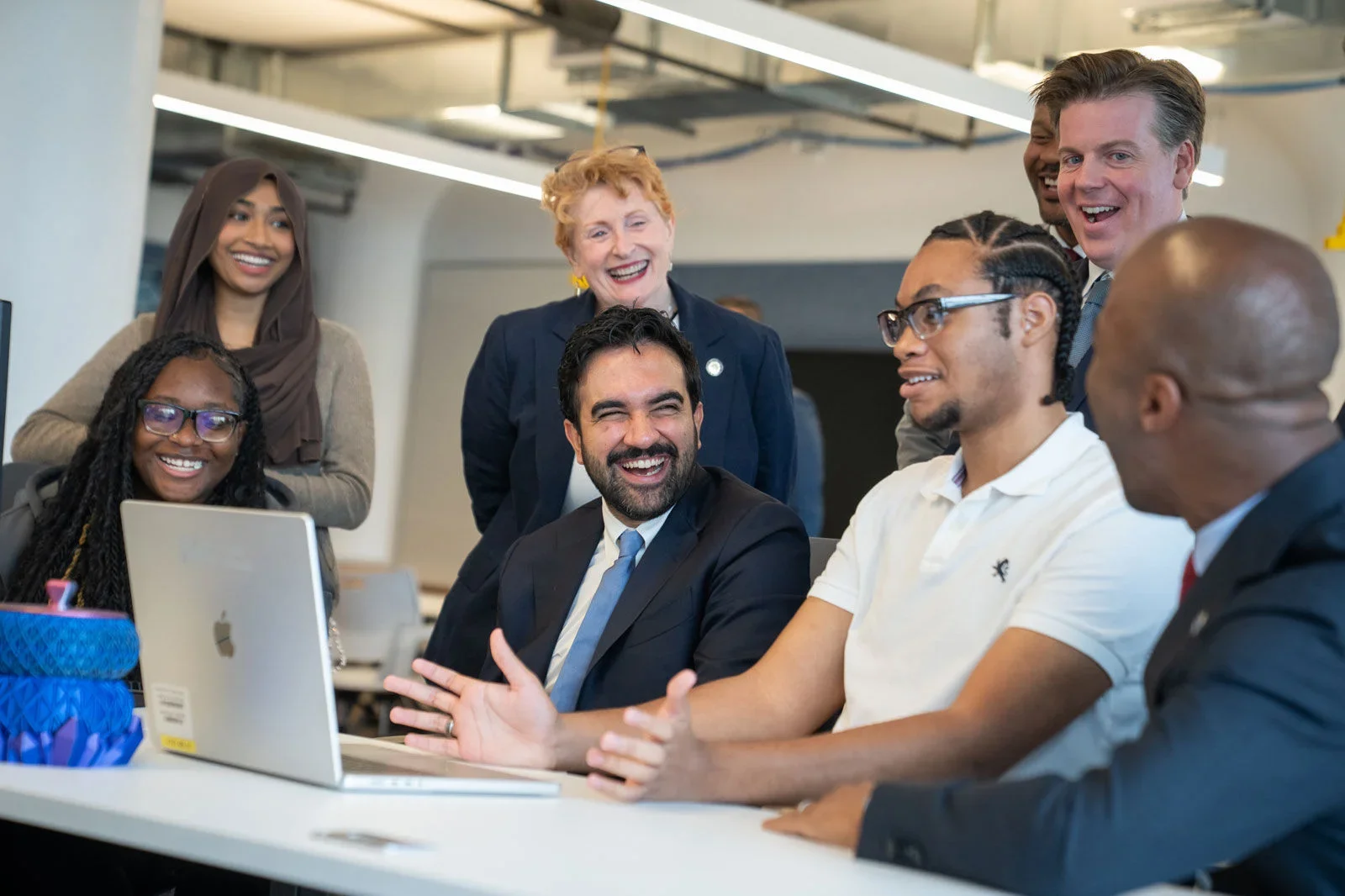
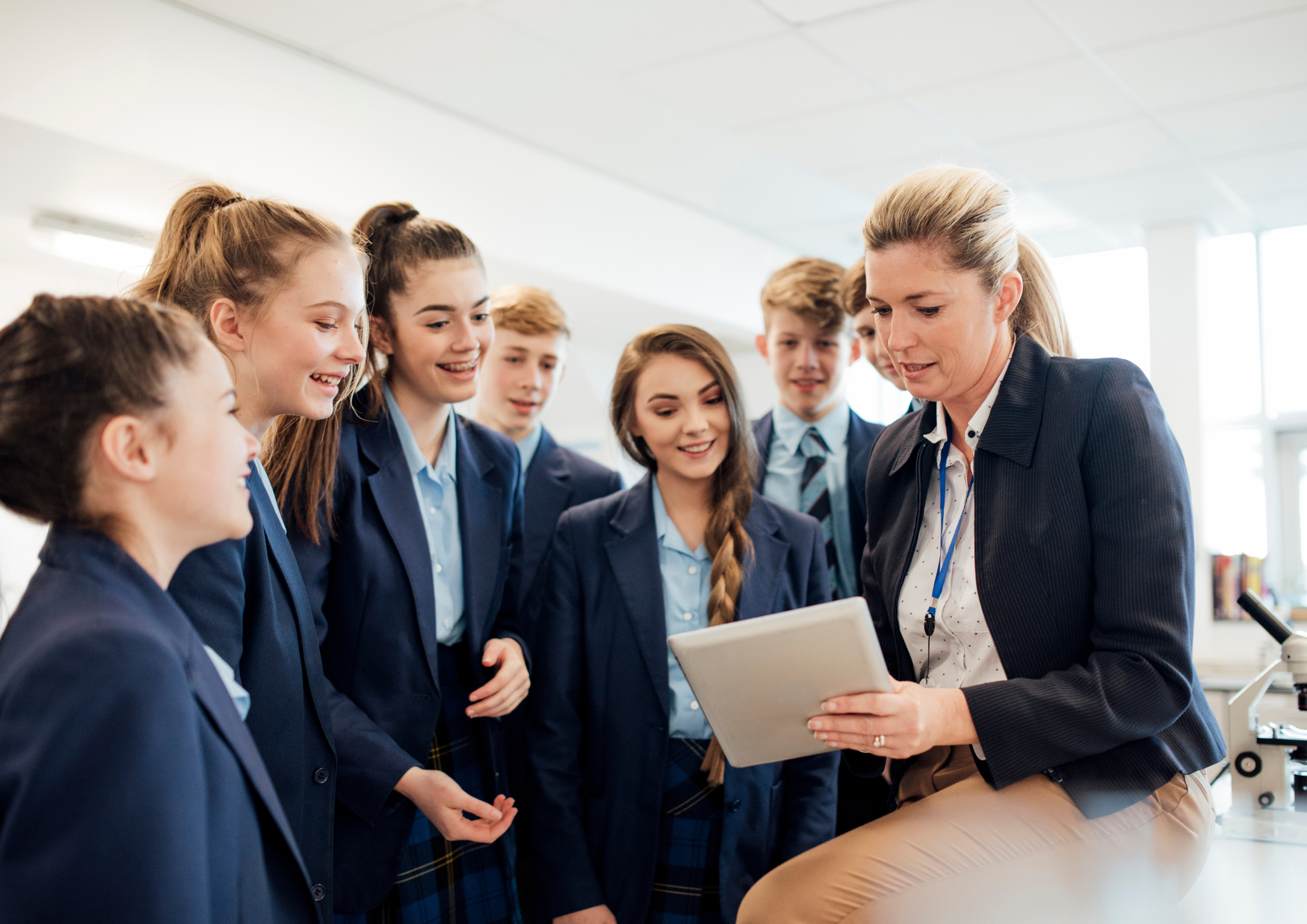
New York City Mayor Mamdani meets with students and education officials as his administration announces a one-year moratorium on student-facing generative AI from 2-K through eighth grade
New York City Public Schools will block student-facing generative AI for children from 2-K through eighth grade during the 2026-27 school year, while restricting high school use to supervised pilots and introducing AI critical thinking instruction for older students.
Mayor Zohran Kwame Mamdani and Schools Chancellor Kamar H. Samuels announced the one-year moratorium alongside new limits on screen time. Nearly 600,000 students, around two-thirds of the public school system's enrollment, will be covered by the generative AI restriction.
The administration describes the policy as the most expansive student-facing AI moratorium in the United States. In practice, it prohibits software using student-facing generative AI from 2-K through eighth grade and bans companion chatbots across all grades.
There are exceptions. Students with disabilities and multilingual learners can continue using AI where it functions as assistive technology, while students taking part in career readiness programs, including computer science, are also exempt. Teachers remain permitted to use AI for instructional planning and operational work provided tools meet New York City Public Schools safety standards.
"Children need teachers and human connection in order to learn and grow. They need to develop skills alongside their peers, build relationships with educators and wrestle with tough problems on their own," Mamdani says.
He adds: "The tech industry wants us to believe that A.I.-powered early education is not only inevitable, but necessary. We do not see it that way."
High schools get AI literacy and tightly limited pilots
The policy takes a different approach to high school students. Up to 50,000 students in general education classes, approximately 5 percent of the public school population, can take part in five AI pilots. Participating schools will be limited to a maximum of five classes each, and the tools must be used under the direct supervision of a trained educator.
The pilots cover five products and programs: Quill for English language arts, Edia for mathematics, Brisk Teaching's Brisk Boost for teacher-created activities, Playlab across multiple subjects, and Intel AI-Ready Schools for semester-long projects.
Use is constrained differently for each pilot. Quill is capped at 15 minutes a week and Edia at 20 minutes. Brisk Boost can be used for 10 to 20 minutes once or twice a week, while Playlab is limited to two assignments per marking period. Students using Intel AI-Ready Schools can work with it for one period each week.
New York City Public Schools says the pilots were selected using safety and data privacy standards, with an emphasis on teacher-led instruction and keeping students responsible for the core thinking involved in their work.
Every high school student will also have access to two 45-minute AI literacy modules during the year. The sessions will cover what AI is and is not, bias, risks, ethical considerations, and its potential implications for careers and future skills.
Samuels says the intention is to establish limits while the school system gathers evidence about classroom use.
"We're putting guardrails in place to protect the human connection, curiosity and creativity that help children grow," he says. "We're standing firmly in our belief that innovation does not mean more technology, and over the next year, we will lead with evidence to make sure technology serves learning — not the other way around."
Screen time and technology vendors face tighter scrutiny
The AI restrictions sit alongside a broader screen time policy. One-to-one screen use will be restricted for students in second grade and below. The system recommends a maximum of 30 minutes a day for grades three through five and 45 minutes for grades six through eight.
Technology products used across New York City Public Schools will also face a wider review. Tools can be barred if they are judged not to be mission-critical to learning, with assessments covering vendor safety and transparency, ethics, evidence of learning design and instructional impact, existing research, and user feedback.
The city will use the 2026-27 school year to examine both the moratorium and the high school pilots through a new Technology in Schools Coalition. Its membership will include students, educators, parent leaders, elected officials, advocates, union partners, and experts.
The coalition is due to publish recommendations that will inform the school system's approach to AI in future academic years.