Microsoft Research names 2026 fellowship cohort across AI, education, and systems
Global group of fellows and advisors spans core AI research areas, with projects tied to education, workforce skills, and human-AI collaboration.

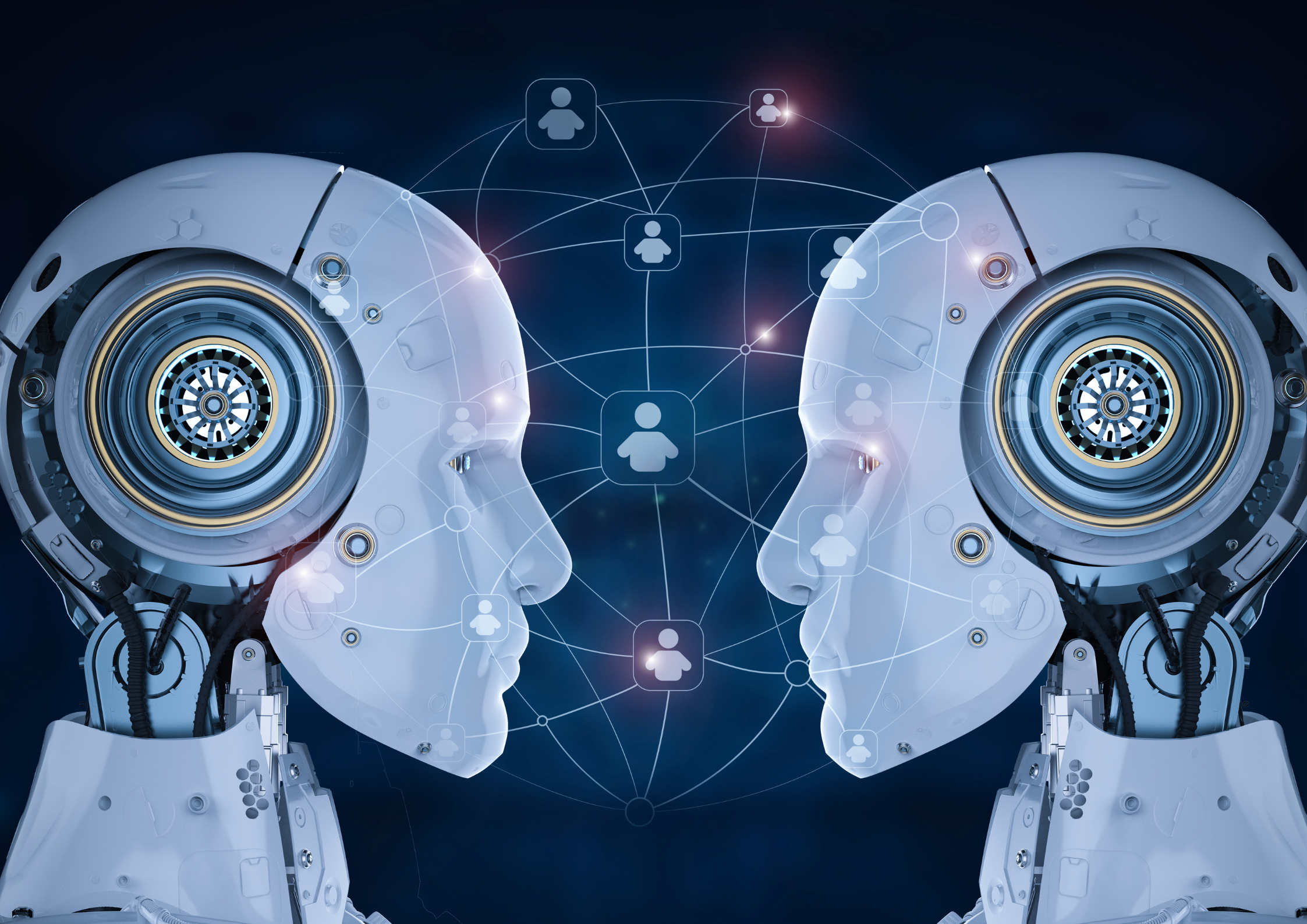
Abstract visualization of AI systems and data flows, highlighting the role of advanced models and infrastructure in shaping education, research, and workforce skills.
Microsoft Research has announced its 2026 Fellowship cohort, bringing together researchers and advisors working across artificial intelligence, systems, and scientific modeling, with several projects directly linked to education, skills, and human-AI interaction.
The cohort covers a range of themes including AI for societal impact, model evaluation, infrastructure, and collaboration, reflecting where research is currently focused as institutions and industry assess how AI will be deployed in real-world environments, including classrooms and workforce settings.
Microsoft Research shared the announcement in a LinkedIn post, outlining the scope of work and the global mix of fellows and advisors contributing to the program.
Focus on AI, skills, and real-world application
Projects within the fellowship include research into global employment outcomes linked to AI adoption, development of interactive AI tools, and work on grounding AI systems in different languages and cultural contexts.
Several areas intersect with education and workforce development. Research led by Namrata Kala, Associate Professor at Massachusetts Institute of Technology, examines employment, hiring, and performance outcomes tied to AI adoption. Other projects focus on how AI can support creativity, collaboration, and applied learning environments.
The program also includes work on tackling misinformation through provenance tools and evaluating how AI systems perform across different contexts, signaling ongoing concerns around reliability and trust.
Systems, evaluation, and infrastructure remain central
A significant portion of the cohort’s work focuses on core AI development, including scalable reasoning, model adaptation, and evaluation. Projects led by researchers at institutions including Stanford University, University of California, Los Angeles, and Imperial College London explore how models can be tested, improved, and deployed more efficiently.
There is also continued investment in infrastructure, with research into AI systems for electricity planning and reinforcement learning post-training. These areas underpin how AI tools are scaled and integrated into sectors such as education and public services.
Collaboration and interaction move into focus
Human-AI collaboration is a recurring theme across the cohort. Projects explore AI as a collaborator rather than a tool, including work on creativity, group interaction, and socially aware AI agents.
Research into multimodal and embodied intelligence, including robotics and multimodal language models, points to longer-term shifts in how AI systems interact with users across environments.
For education and EdTech, the breadth of research signals a pipeline of developments that could influence how AI tools are used in teaching, assessment, and skills development, although most projects remain at research or early-stage application.