Kaggle and Google DeepMind open Gemma 4 hackathon focused on AI skills and real-world impact
$200,000 competition challenges developers to build AI tools for education, health, and digital equity using open models.

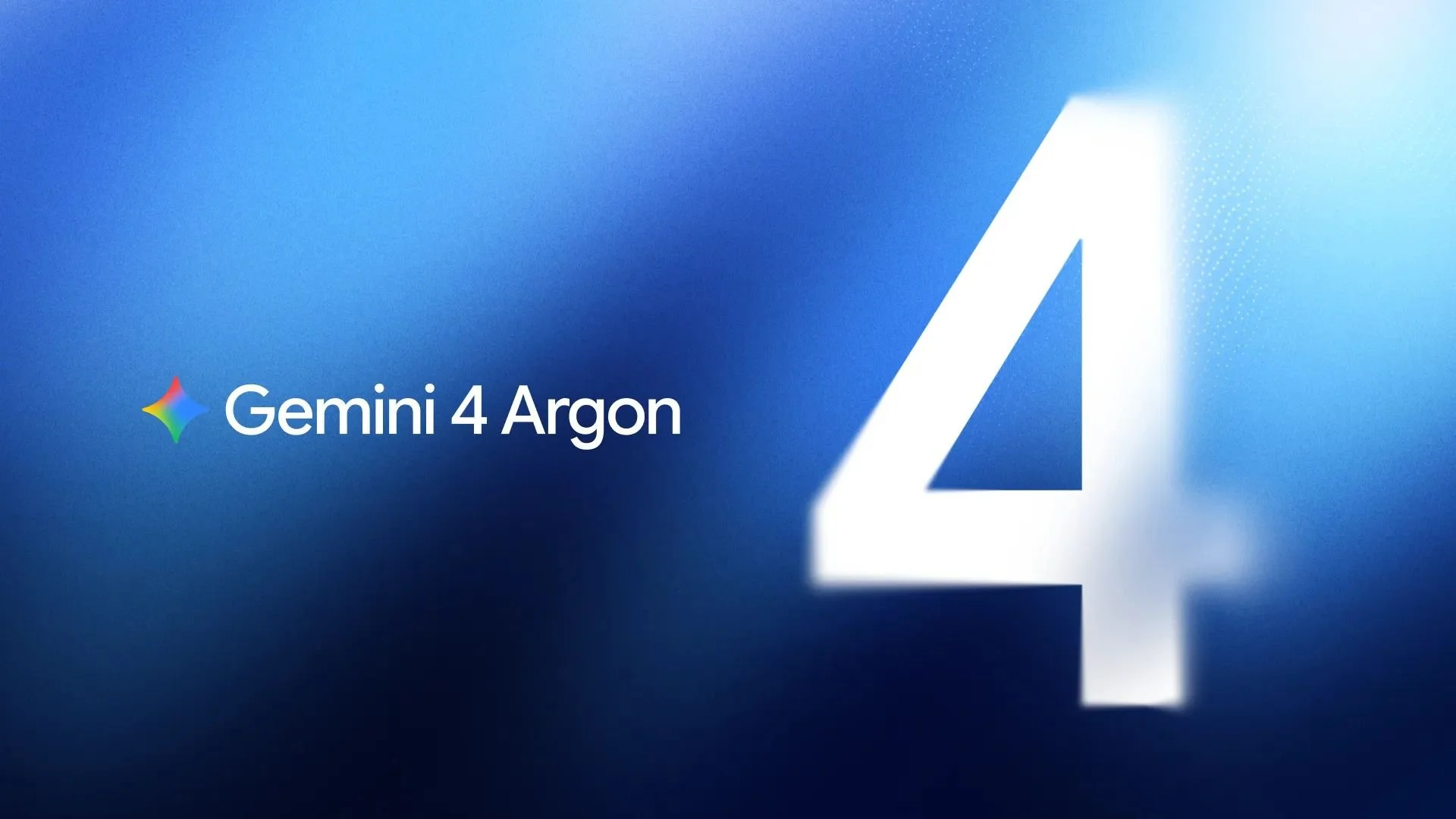
Kaggle and Google DeepMind have opened a new global hackathon centered on Gemma 4, a family of open AI models, as demand grows for practical AI skills and applied learning across sectors including education.
The Gemma 4 Good hackathon invites developers to build applications addressing real-world challenges, including digital learning, health, and global resilience, using models that can be run locally on devices or deployed at scale. The initiative reflects increasing focus on hands-on AI development and workforce-ready skills, particularly in environments where access, infrastructure, and privacy are constraints.
Gemma 4 is described as a family of open models based on the same research as Gemini 3, with weights available for developers to download, customize, and run on their own hardware.
The models are available in multiple sizes, including versions designed for workstations and optimized “edge” models for mobile devices, enabling use in lower-connectivity environments such as classrooms or remote settings.
Capabilities include multimodal input across text, vision, and audio, as well as native tool use, allowing developers to build systems that can interact with external data sources or trigger actions through APIs.
The models are released under an Apache 2.0 license, allowing flexibility for commercial and research use.
Hackathon targets education, equity, and workforce skills
The competition focuses on applications that demonstrate real-world utility, with categories including health and sciences, global resilience, future of education, digital equity, and safety.
In the education track, participants are encouraged to build tools that adapt to individual learners and support educators through integrated systems, aligning with broader trends in personalized learning and AI-supported teaching.
The structure emphasizes practical implementation. Submissions must include a working demo, a public code repository, and a technical write-up outlining how Gemma 4 has been applied, alongside a short video demonstrating real-world use.
Evaluation prioritizes real-world impact and execution
Projects will be assessed on impact, technical execution, and the ability to communicate a clear use case, with judging weighted toward how effectively solutions address real problems and demonstrate functionality.
The hackathon includes a total prize pool of $200,000, with awards across general, impact-focused, and technical categories. The submission deadline is May 18, 2026.
By requiring working prototypes and documented implementation, the competition aligns with a shift toward applied AI learning, where developers are expected to demonstrate not just concept, but deployment and usability.