Google.org commits $4.6 million to AI education rollout across Latin America
Funding, teacher training, and university engagement signal a broader push to scale AI skills across schools and higher education.
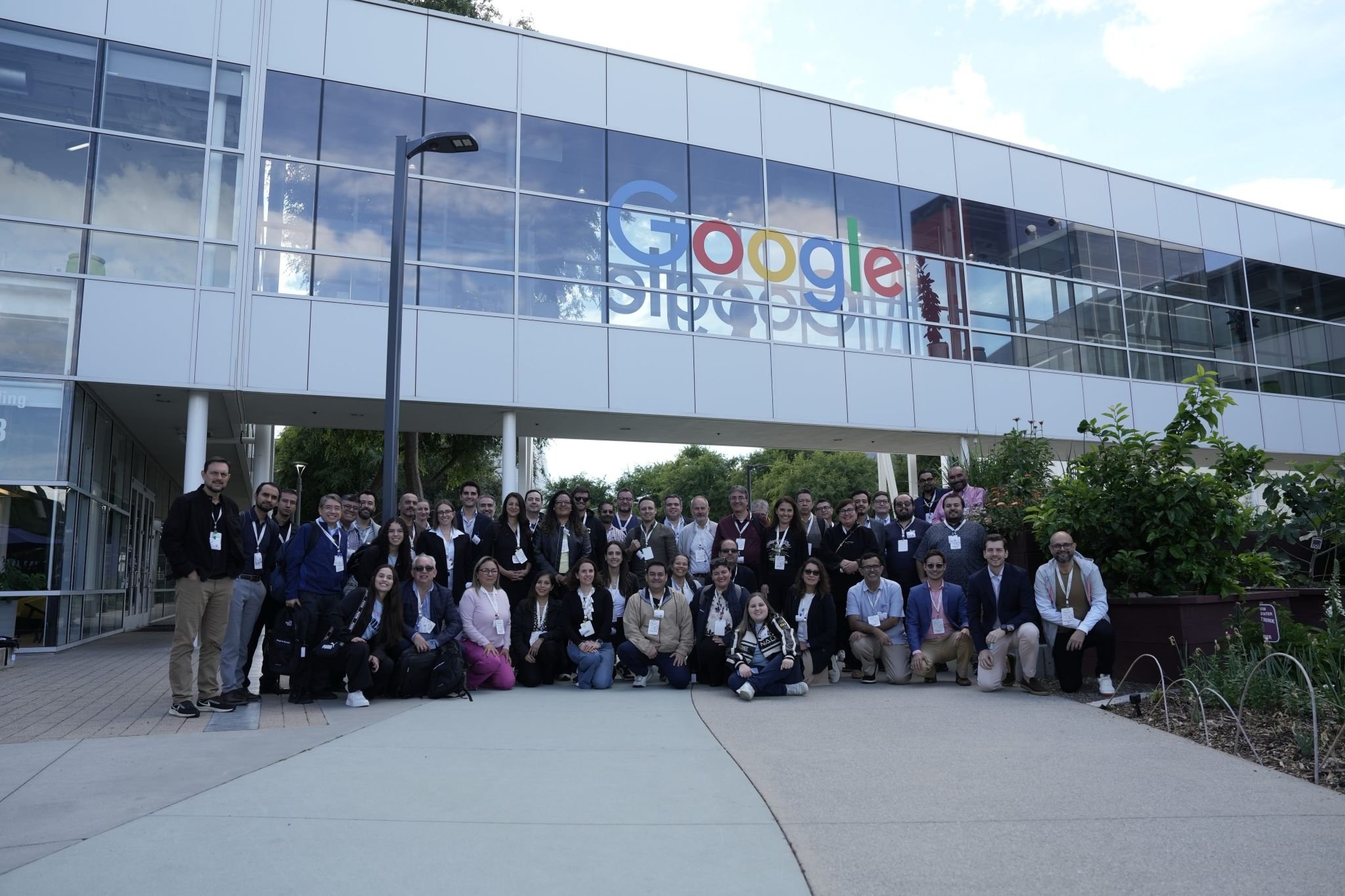
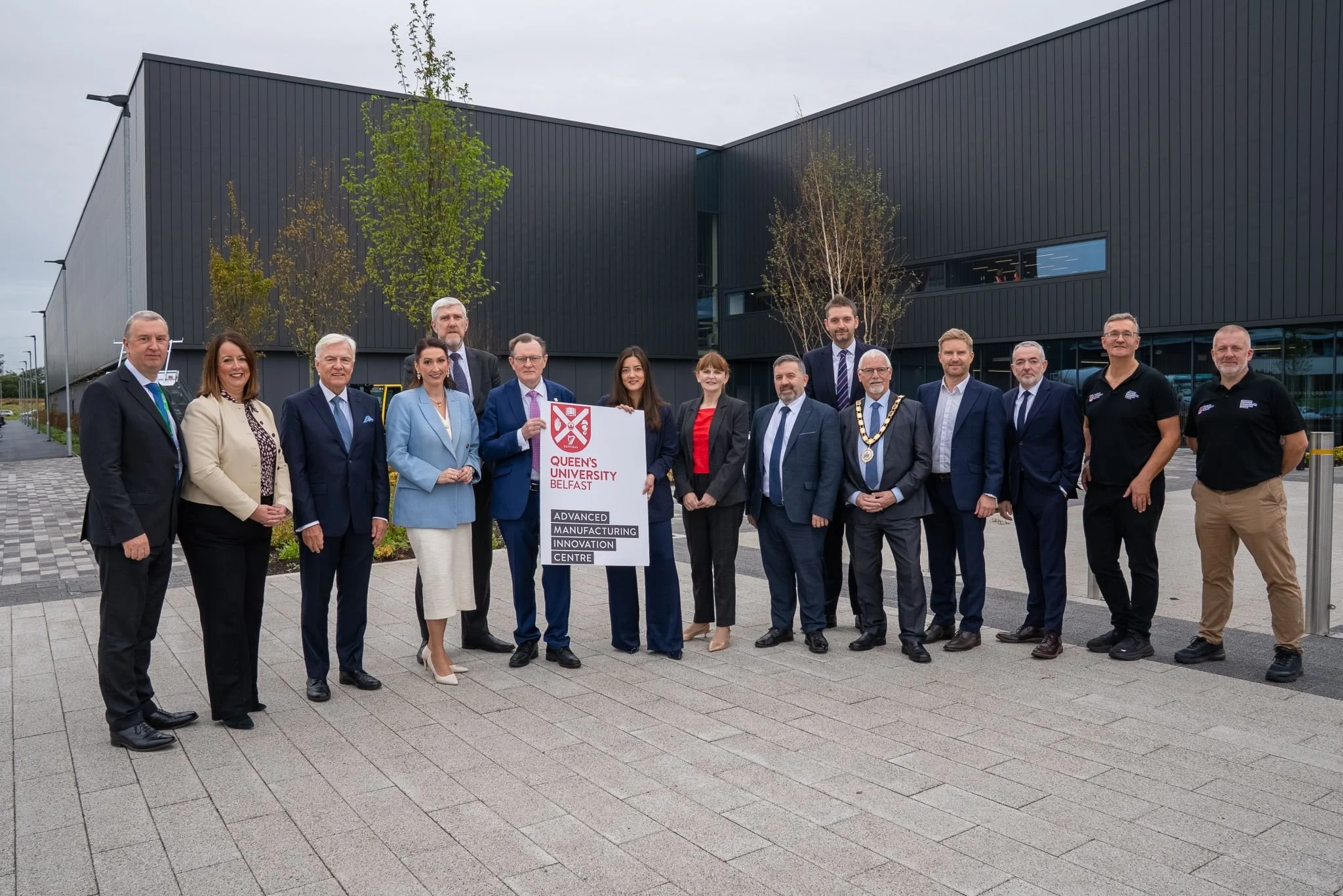
Delegates from 35 Latin American universities gather at Google HQ in Mountain View for the AI Education Summit, bringing together institutions representing over 5.5 million students. Photo Credit: Felipe Neves
Google.org has committed $4.6 million to expand artificial intelligence education across Latin America, working with the Raspberry Pi Foundation to scale its Experience AI program across nine countries.
The move sits alongside a series of Google-led university initiatives in the region, pointing to a coordinated effort to build AI capability across both school and higher education systems.
The funding will support rollout in Argentina, Brazil, Chile, Colombia, the Dominican Republic, El Salvador, Mexico, Peru, and Uruguay, with a target of reaching 1.25 million students by 2028. The focus is on moving beyond access to AI tools toward structured understanding, skills development, and responsible use.
Teacher training model underpins scale
Delivery will follow a “train the trainer” approach, with the Raspberry Pi Foundation working with local nonprofit organizations to prepare 24,000 educators. The model is designed to extend reach into classrooms while embedding capability within national education systems rather than relying on one-off interventions.
Alejandro Almazan Zimerman, Head of Google for Education for Mexico, Central America and the Caribbean at Google, highlighted the shift in expectations around AI in a LinkedIn post. He said: “Artificial intelligence is already in the classroom. The challenge now is how we accompany the new generations so that they not only use it, but understand it and build it.”
Curriculum targets AI literacy and responsible use
Experience AI, co-developed by Google DeepMind and the Raspberry Pi Foundation, provides teaching materials for students aged 11 to 14. The program includes modules on how AI systems work, media literacy, and the responsible use of generative AI tools.
It also addresses how data is used in AI systems and how students can evaluate outputs, with a focus on misinformation and critical thinking.
Eleonora Rabinovich, Director of Government Affairs and Public Policy at Google Hispanic America, said: “Every day I witness the incredible potential of Latin Americans to innovate and solve local problems with global impact.”
She added: “Our goal is ambitious, but vital: to reach 1.25 million students by 2028.”
The program was co-created with input from Google DeepMind and is positioned as a structured pathway into AI literacy rather than a standalone resource.
University engagement signals broader strategy
Alongside the funding, Google has been increasing activity in higher education across the region. In a LinkedIn post, Felipe Neves, AI and Education at Google, said: “Last week was incredible! We hosted the very first AI Education Summit for Latin American Higher Education institutions at Google HQ in Mountain View, California.”
The event brought together 58 leaders from 35 universities, representing more than 5.5 million students, with sessions focused on AI research, implementation, and institutional strategy. It also included the finals of the Gemini Challenge and a workshop at Stanford University.
Neves added: “We left feeling incredibly energized, full of new ideas, and more certain than ever that Latin America is exceptionally well-represented in the future of education and technology.”
Antonio Bebiano Neto, Senior Market Maker for Google for Education in Mexico, also reflected on the summit in a LinkedIn post, stating: “The Google LATAM HED Summit was more than just a professional event; for me, it was a reminder of the power of Education and the impact of digital transformation.”
He added: “LATAM is at the Forefront of AI in Education: Universities across Latin America are embracing AI with open arms.”
Taken together, the funding for schools and activity in higher education point to a joined-up approach, where AI capability is being developed across the full education pipeline.