Google outlines new phase of AI in healthcare research at The Check Up event
Google Research details progress across clinical AI, developer tools, and public health models, with early evidence of real-world deployment and testing.
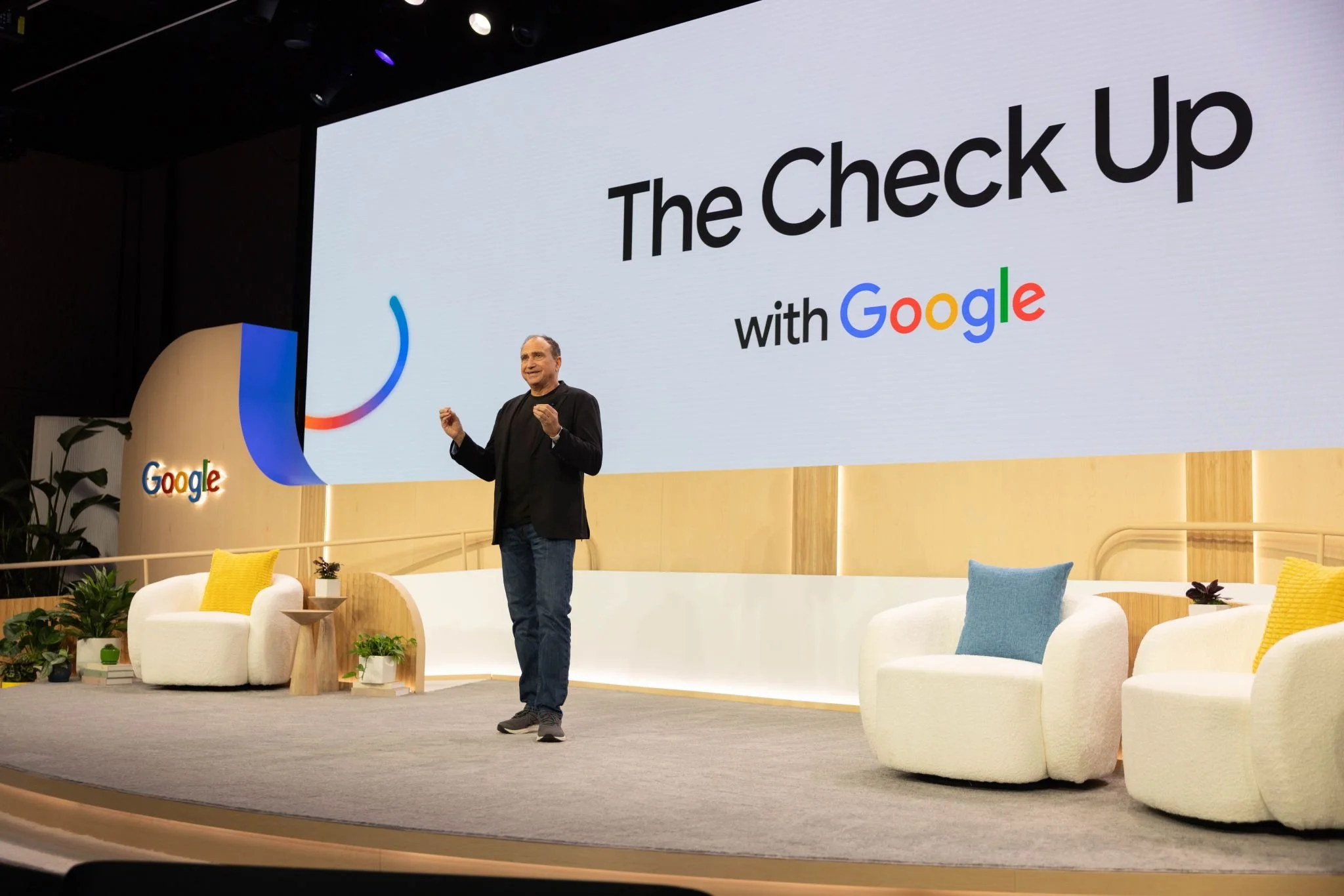
Google has outlined a series of updates across its healthcare AI research portfolio at its The Check Up event, highlighting how AI systems are moving from experimental work into clinical studies, developer ecosystems, and public health applications.
The updates, shared by Yossi Matias, Vice President at Google and Head of Google Research, point to a broader shift in how AI is being applied across healthcare, from screening and diagnostics to personalized care and large-scale research.
In a LinkedIn post, Matias said the company is “entering a new era of innovation in scientific and clinical research for health,” adding that AI has the potential to “helping billions of people live longer, healthier lives.”
Clinical AI systems move into real-world validation
Google Research presented new findings showing how its AI systems are being tested beyond controlled environments, including clinical research and healthcare delivery settings.
Research published in Nature Cancer, conducted with Imperial College London and the UK’s National Health Service, found that an experimental AI system identified 25 percent of “interval” breast cancers that were previously missed by traditional screenings. The same system demonstrated potential to reduce radiologist workloads by 40 percent when integrated into clinical workflows.
The company is also progressing its conversational AI system, AMIE, into prospective validation. A nationwide study is underway with Included Health to assess how AI-driven systems can support telehealth and clinical decision-making.
Alongside this, Google highlighted the scale of its diabetic retinopathy screening work, which has now been used in more than one million screenings across India, Thailand, and Australia through healthcare partnerships.
Matias referenced this broader direction in his LinkedIn post, stating: “AI as a Collaborator for Clinicians” is becoming a core focus, with systems designed to support diagnosis, reasoning, and workload reduction.
Developer ecosystem and open models expand access
Google is also expanding access to healthcare AI through open-weight models and developer tools, positioning these as building blocks for wider adoption.
Its Health AI Developer Foundations (HAI-DEF) framework includes MedGemma, a set of medical models for text and image interpretation. According to Matias, MedGemma has been downloaded three million times and is being used across a range of applications globally.
Real-world implementations include deployments at the All India Institute of Medical Sciences for outpatient triage and dermatology screening, and ongoing work in Singapore’s Ministry of Health to adapt models for primary and specialty care.
In his LinkedIn post, Matias framed this as part of a wider push to “empower the global community,” pointing to open-weight models as a starting point for developers building healthcare applications.
Google also noted that recent developer engagement includes more than 850 submissions to the MedGemma Impact Challenge, reflecting growing activity around applied AI in healthcare.
From individual care to population-level health insights
Beyond clinical and developer use cases, Google is extending AI into public health and large-scale research through its geospatial and scientific systems.
Google Earth AI, a collection of geospatial models and datasets, is being used to analyze environmental and behavioral data to support public health planning. In one example, researchers combined Google data with survey insights to map measles vaccination coverage at ZIP-code level, identifying clusters of undervaccination linked to recent outbreaks.
Matias described this direction as “AI as a Navigator for Public Health,” highlighting how these systems can shift healthcare from reactive response to more predictive and preventative approaches.
The company also pointed to continued work in scientific research, including multi-agent systems such as Co-Scientist and Gemini Deep Think, which are being tested for hypothesis generation and experimental design across fields including genomics, neuroscience, and public health.
Across the updates, the focus remains on moving AI from research environments into practical use, while maintaining what Google describes as a commitment to clinical validation, peer-reviewed publication, and collaboration with healthcare providers and researchers.
ETIH Innovation Awards 2026
The ETIH Innovation Awards 2026 are now open and recognize education technology organizations delivering measurable impact across K–12, higher education, and lifelong learning. The awards are open to entries from the UK, the Americas, and internationally, with submissions assessed on evidence of outcomes and real-world application.