AI workforce readiness depends on labor mobility, Kevin Frazier tells House committee
Kevin Frazier has shared a summary of his congressional testimony on LinkedIn, arguing that outdated labor laws and limited worker mobility risk undermining efforts to prepare the U.S. workforce for AI-driven change.
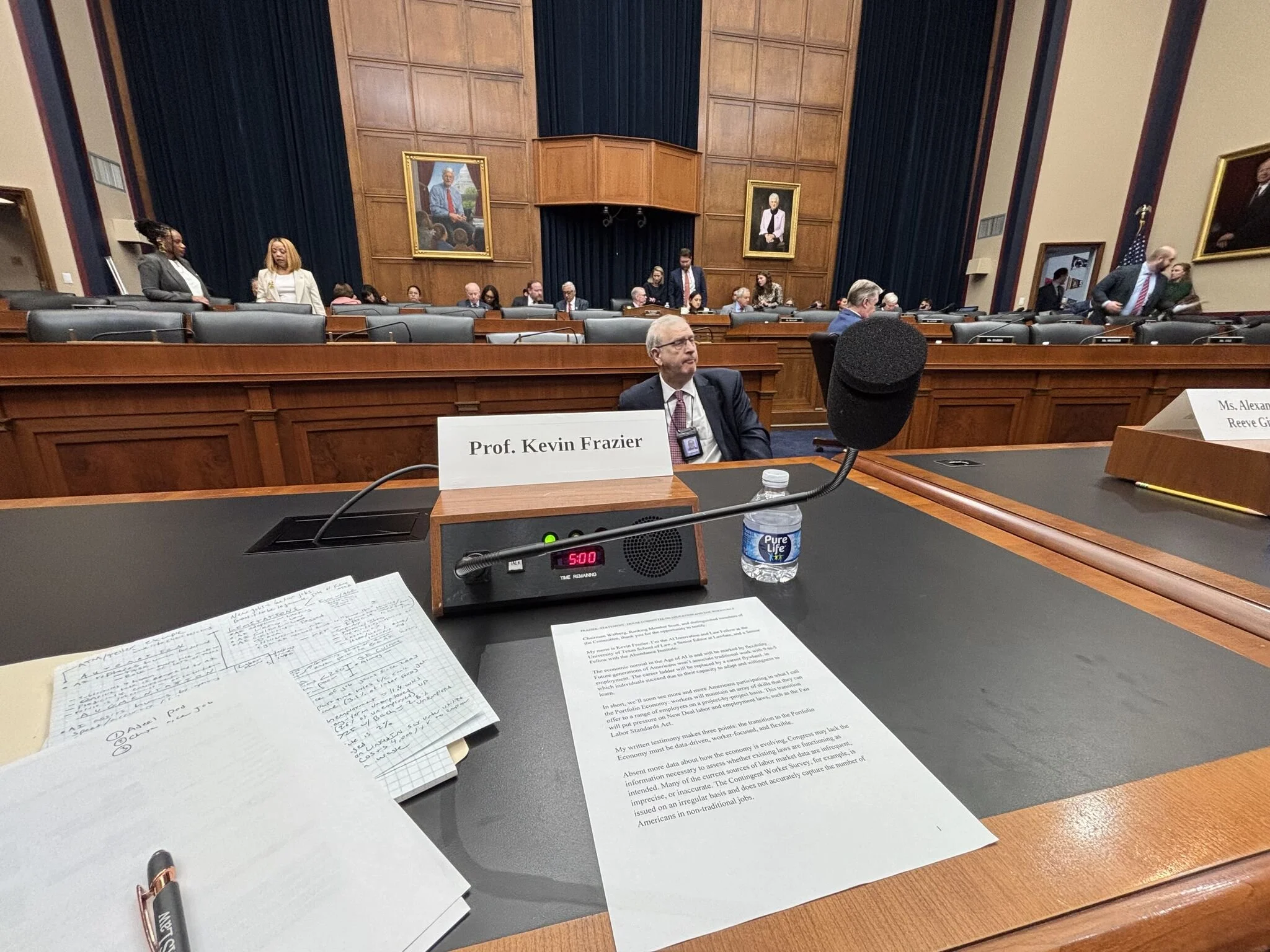
Photo credit: Kevin Fraizer
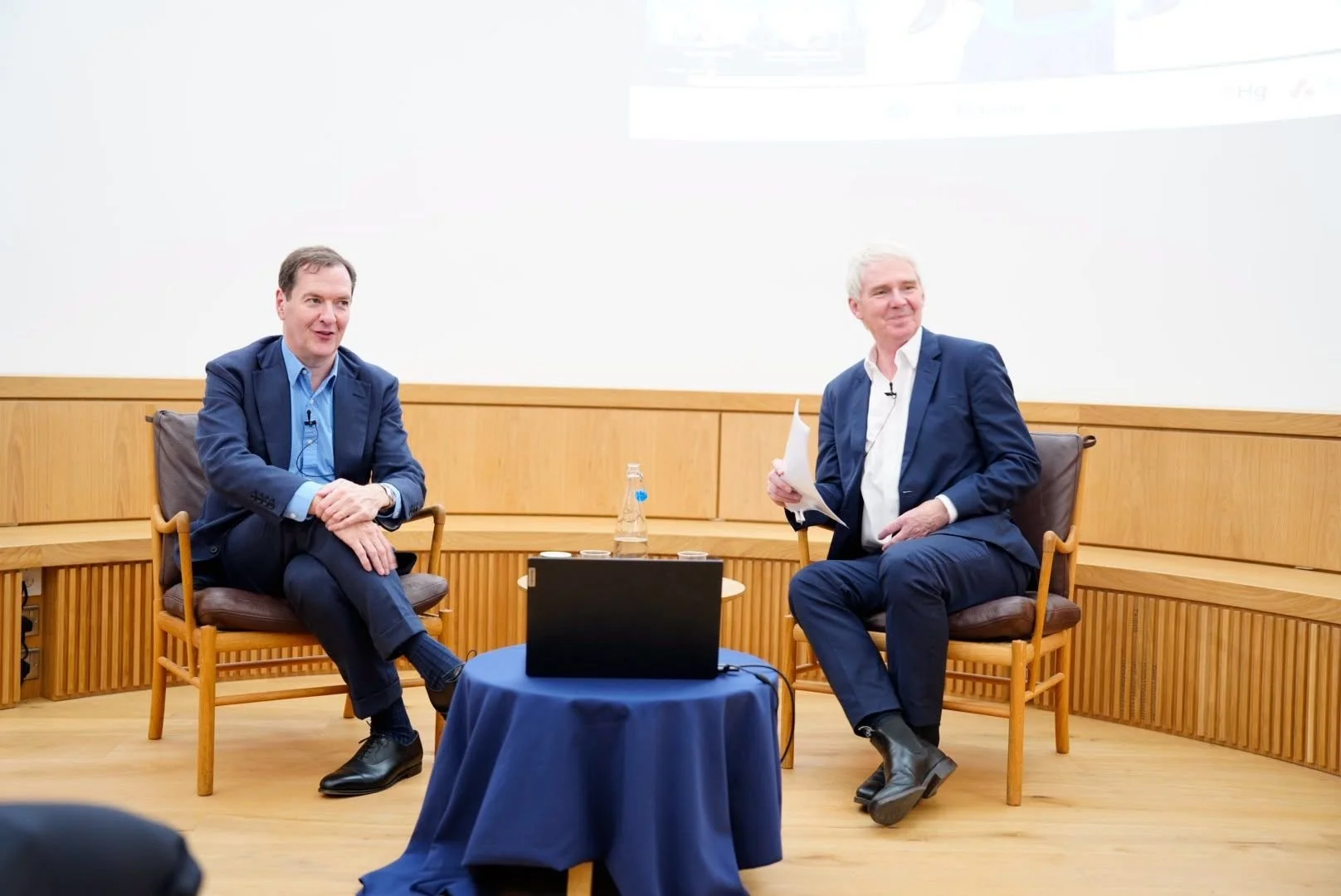
Kevin Frazier, Senior Fellow at the Abundance Institute and Director of AI Innovation and Law at The University of Texas School of Law, has taken to LinkedIn to outline his testimony before the House Education and the Workforce Committee, where he cautioned that economic rigidity, not technology, may be one of the biggest barriers to building an AI-ready American workforce.
Frazier appeared before lawmakers as part of a hearing examining how education, labor policy, and workforce systems must adapt as artificial intelligence reshapes jobs and career pathways across the U.S. economy.
In his post, Frazier opened by linking economic dynamism to productivity, stressing that worker movement and business formation are essential for growth, “A more dynamic economy is a more productive economy.”
He continued by arguing that this dynamism is currently missing from the U.S. labor market, adding, “That’s not happening right now… firms are ‘hoarding’ labor, workers are ‘job hugging,’ and economists suspect we’re in a ‘great freeze.’”
According to Frazier, this slowdown in labor movement conflicts directly with the pace at which AI is changing how work is organized and performed.
Decades-old labor laws flagged as mismatch
Frazier then turned to federal labor policy, highlighting what he described as a structural disconnect between modern work and legacy regulation.
Frazier noted, “The Fair Labor Standards Act relies on economic assumptions from the 1930s.” He argued that the law’s rigidity limits the flexible work arrangements increasingly demanded by both employers and workers, particularly as AI enables more modular and project-based roles.
He also pointed to tax policy as another source of friction. Frazier said, “The Internal Revenue Code imposes unnecessary burdens on independent workers come tax season—subjecting them to a more complex and time-intensive process.”
Expanding on the broader context, Frazier described how AI, robotics, augmented reality, and virtual reality are accelerating a shift toward what he called a “portfolio economy.” Frazier explained, “We’re entering the Portfolio Economy—firms are fissuring and work is becoming more fractional and fragmented.” He warned that maintaining existing legal and policy frameworks could leave many workers struggling to adapt.
Frazier cautioned, “If we insist on the status quo, then many Americans will struggle to navigate this new reality.”
Education and civil rights voices join workforce debate
Frazier testified alongside leaders from technology, education, and civil rights organizations, including Alexandra Reeve Givens, President and Chief Executive Officer at the Center for Democracy and Technology, Chaya Nayak from OpenAI, and Adeel Khan, Founder and Chief Executive Officer at MagicSchool AI.
In a separate LinkedIn post, the Center for Democracy and Technology highlighted Reeve Givens’ emphasis on guardrails that protect workers, students, and families as AI reshapes education and employment, reinforcing that workforce readiness is not solely an economic issue.
Frazier closed by arguing that without reforms that enable worker mobility and entrepreneurship, investments in AI education and skills development may fall short of their intended impact. Frazier concluded, “If we lean into dynamism, however, everyone can benefit in the long run.”
ETIH Innovation Awards 2026

The ETIH Innovation Awards 2026 are now open and recognize education technology organizations delivering measurable impact across K–12, higher education, and lifelong learning. The awards are open to entries from the UK, the Americas, and internationally, with submissions assessed on evidence of outcomes and real-world application.