OpenAI outlines skills-to-jobs strategy as workforce lead testifies on Capitol Hill
OpenAI’s policy team has taken to LinkedIn to outline how the company plans to link AI skills, credentials, and jobs as Congress examines workforce readiness.
Chan Park, Head of U.S. & Canada Policy & Partnerships at OpenAI, took to LinkedIn to share that OpenAI’s workforce and education strategy would be under scrutiny on Capitol Hill, as senior staff testified on building an AI-ready American workforce.
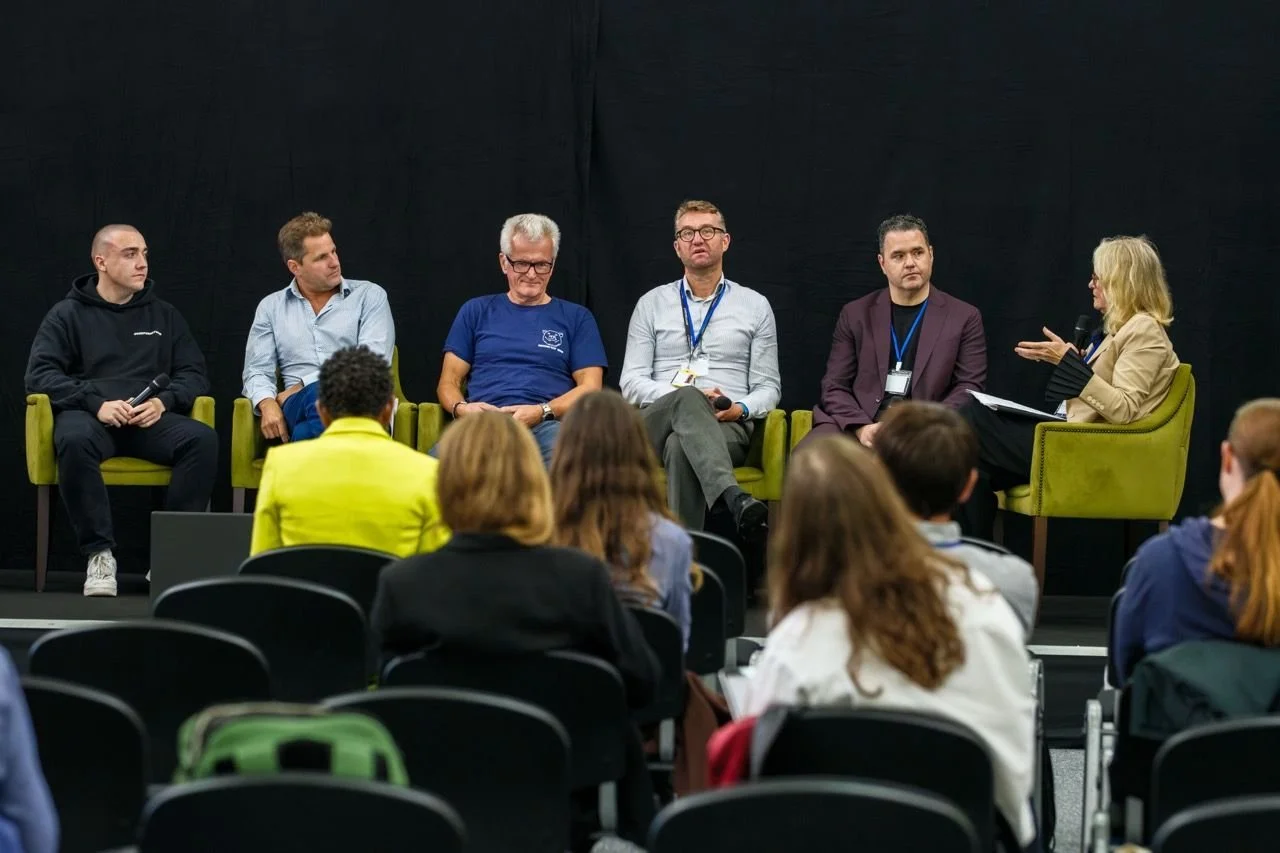
Park said OpenAI’s team was heading to Capitol Hill as Chaya Nayak, Head of Certifications and Jobs Platform at OpenAI, testified before the House Education and the Workforce Committee. The hearing focused on how AI tools are changing work and what is required to ensure workers can adapt as demand for AI-related skills grows.
Park wrote, “This morning, our team heads to Capitol Hill as OpenAI’s Chaya Nayak testifies before the House Education and the Workforce Committee on how we can build an AI-ready American workforce.”
Gap between AI tools and worker skills
In his post, Park pointed to a widening gap between the capabilities of AI tools and the number of people equipped to use them effectively at work.
He wrote, “AI is already changing how people work. Every day, millions of people use tools like ChatGPT to learn, write, analyze, and solve problems at work. But there is still a large gap between what these tools can do and how many people have the skills and confidence to use them well.”
According to Park, addressing that gap is central to ensuring AI-driven economic benefits are broadly shared rather than concentrated.
Park outlined OpenAI’s plan to build what he described as a full “skills-to-jobs pipeline.” The approach links learning, credentials, and employment rather than treating them as separate steps. He wrote, “That is why OpenAI is building a full skills-to-jobs pipeline. Through OpenAI Certifications, workers can earn verifiable, job-ready credentials directly inside the tools they are using to learn. And soon, the OpenAI Jobs Platform will connect those verified skills to employers who are hiring.”
OpenAI’s stated goal is to help ten million Americans earn AI credentials by 2030.
Employers and educators involved
Park said the initiative is being developed alongside employers, state governments, community organizations, and educators, with the aim of aligning credentials to real hiring needs. He cited employers including Walmart, John Deere, Accenture, and Indeed as partners in the effort. According to Park, the intention is to connect learning outcomes to tangible job opportunities rather than abstract skills.
The House hearing also featured witnesses from across education, law, and EdTech, including leaders from MagicSchool AI, the Center for Democracy & Technology, and the University of Texas Law School.
Park positioned the testimony as part of a broader conversation about how AI policy, workforce development, and education intersect. He wrote, “Closing that gap is critical to ensuring that all Americans – not just a select few – can share in the benefits AI unlocks.”
ETIH Innovation Awards 2026

The ETIH Innovation Awards 2026 are now open and recognize education technology organizations delivering measurable impact across K–12, higher education, and lifelong learning. The awards are open to entries from the UK, the Americas, and internationally, with submissions assessed on evidence of outcomes and real-world application.