World first claimed Down Under as digital games distribution platform launches at University of Sydney
Stanford University among first institutions to subscribe to Ludolio as global rollout begins
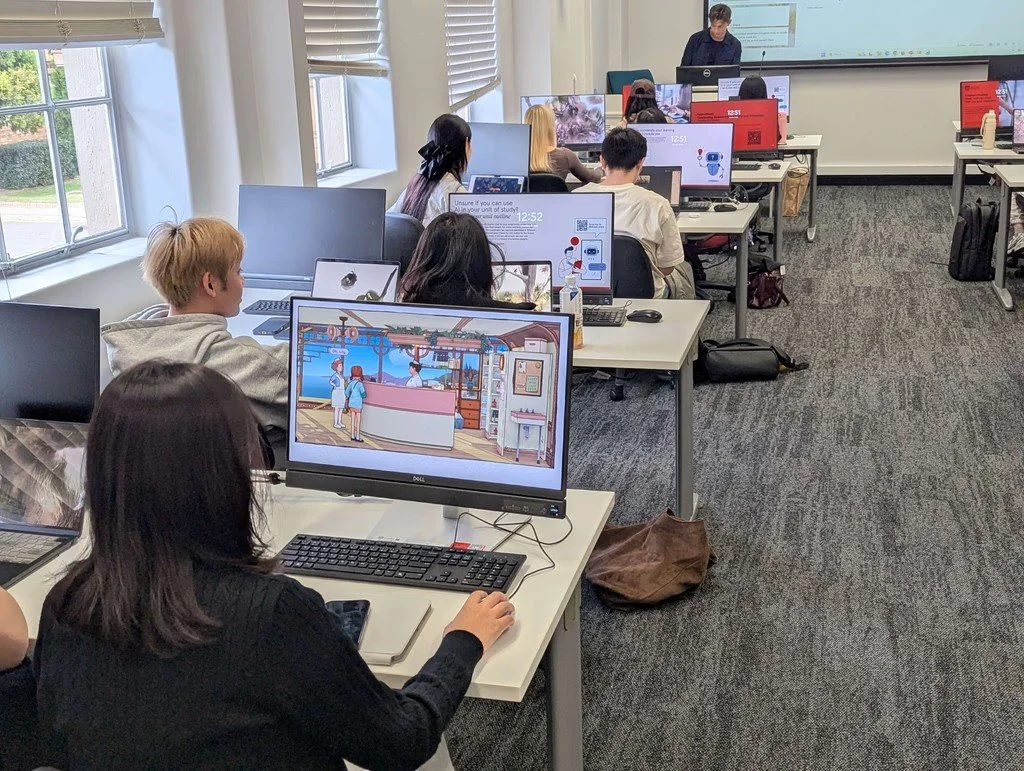
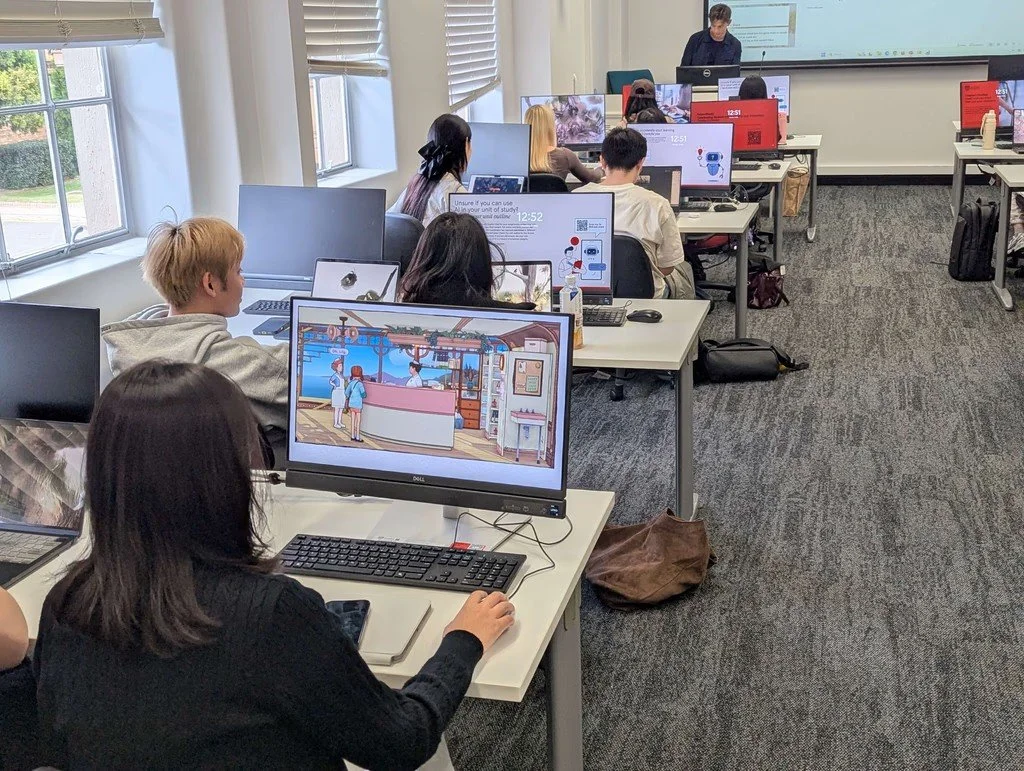
Ludolio is the first digital gaming platform to be used by students for learning and research
The University of Sydney has launched Ludolio, pitched as a world first digital gaming platform allowing school and university libraries to lend video games to students for learning and research.
The platform is now being rolled out to universities around Australia and the world, including Stanford University in the United States.
Created by academics in the Sydney Games and Play Lab, the platform hosts a library of video games freely available to students. At the University of Sydney, games are studied across multiple disciplines, including digital cultures, library sciences, teacher education, design, and digital humanities.
Ludolio removes longstanding legal and technical barriers to using commercial video games in teaching and learning.
Jen Scott Curwood, Associate Professor and Director of the Sydney Games and Play Lab and Chief Learning Officer of Ludolio, said games are now a central cultural form, and research shows games can support learning, creativity and critical thinking.
Despite the growing importance of games in culture and education, schools and universities have lacked the infrastructure needed to provide students with lawful, direct access to commercial games.
Most games are distributed through consumer platforms blocked by institutional IT systems or requiring individual purchase.
"Games are one of the most influential cultural industries in the world, and schools and universities need an innovative platform to readily integrate them into teaching and learning," said Curwood, who is Associate Professor in English Education and Media Studies in the Sydney School of Education and Social Work at the University of Sydney.
"If you’re studying film, the university provides access to films. If you’re studying literature, you can borrow books from the library. Games should be treated the same way. Students need to experience them first-hand, and educators need access to learning analytics to understand how students’ gameplay shapes their cognition."
Studying games at university
More than 1000 students are already using Ludolio at the University of Sydney and the University of Melbourne, which subscribed to Ludolio this semester.
At Sydney, students across education, engineering and arts use the platform in five units, including Teaching English 2, Sustainable Design, Engineering and Management, and Games and Mixed Realities.
At Melbourne, it is being used in Leisure, Play, and Gaming Cultures. Ludolio is also available to all students and academics at both universities.
Stanford University is among the first international institutions intending to adopt Ludolio, alongside the University of Utah and other US universities. The platform is targeting 10 institutions by the end of the year as its global rollout begins.
Dr Henry Lowood, a librarian, curator and games historian at Stanford University, said Ludolio addresses a challenge universities have faced for decade.
"I am thrilled to support Ludolio’s development as a games historian and curator who has wished for decades for a library-facing service offering ready, online access to games for pedagogy and research. Ludolio is the first big step towards a sustainable solution for putting game collections in front of our students and faculty," he said.