University of Westminster launches AI Network to expand AI research, collaboration, and innovation
The University of Westminster in England has launched its AI Network, bringing researchers, students, and industry partners together to develop cross-disciplinary projects and expand external funding opportunities.
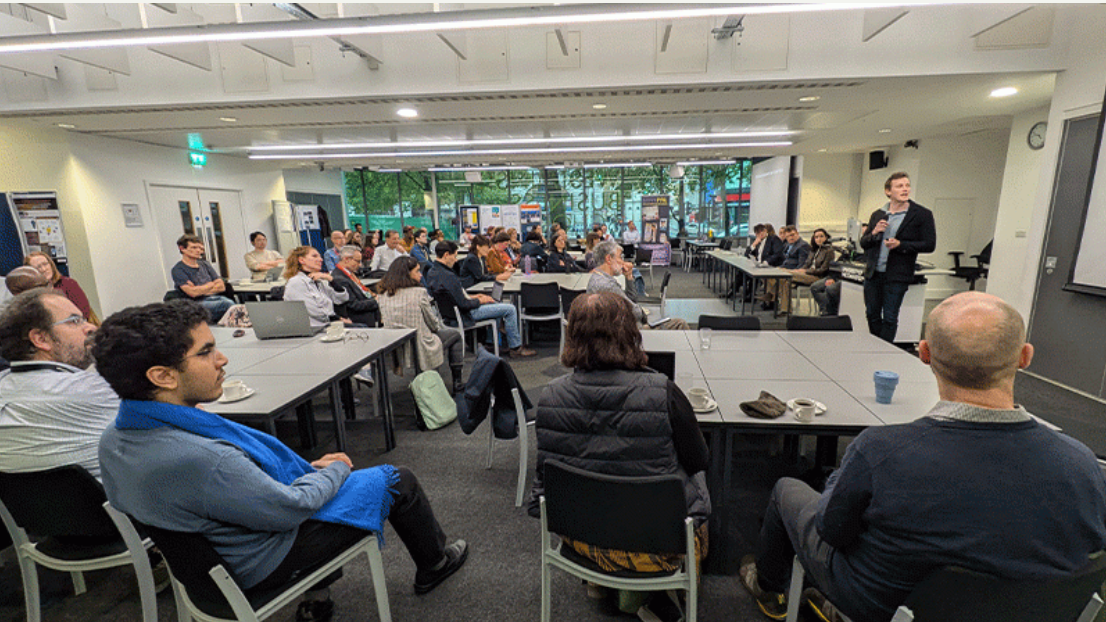
The University of Westminster has confirmed that its AI Network has supported or led eight external funding applications and secured two new industry partnerships, positioning the new research center as a focal point for artificial intelligence work across the institution.
The Westminster AI Network operates as a university-wide research center that connects academics, students, and external partners around AI and data science. It is designed to coordinate cross-disciplinary projects and aligns with the university’s broader research and knowledge exchange strategy, which follows the UN Sustainable Development Goals.
Dr Alexander Bolotov, Reader in Computer Science and Engineering and Co-leader of the network, says, “The formal establishment of Westminster AI Network in May was the recognition of one of Westminster’s research strengths. Our recent launch event has demonstrated very high level of engagement across all Westminster colleges and schools, bringing 81 participants. Moreover, the launch event has brought two new partnerships, with StarPal.AI and On the Mend, which have started working on joint applications for external funding. Overall, since July, the Westminster AI Network has led, supported or partnered in eight applications for external funding.”
Launch event highlights projects and competition entries
The launch event on October 22 at the Marylebone Campus included research pitches from students and staff competing for internal support from Westminster’s Research and Knowledge Exchange Office. Selected proposals will receive mentoring and resources to progress their project ideas.
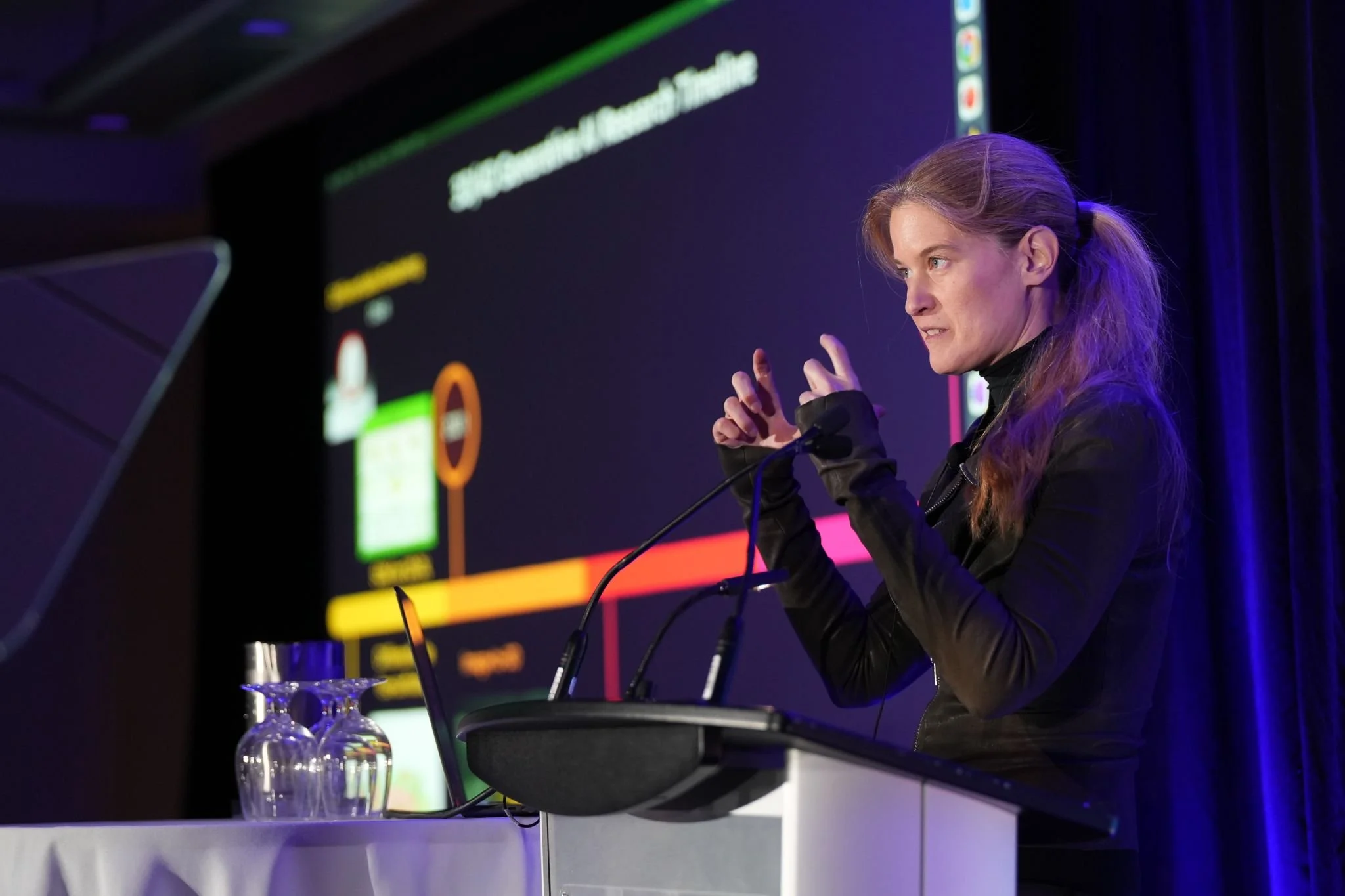
A panel discussion chaired by Reader in Computer Science Dr Barbara Villarini and Computer Science Lecturer Dr Tom Oliver examined trends in AI ethics, enterprise deployment, generative AI, creative computing, and cognitive science. Speakers focused on applied use cases and practical challenges rather than high-level concepts.
Invited panelist Edward Frank Morris, CEO and Lead Prompt Engineer at Enigmatica, says, “I left the event impressed, mostly because it was filled with people actually building instead of performing innovation theatre for applause. It reminded me that AI is only as sharp as the minds wielding it, and the real breakthrough happens the moment you realise the tool isn’t transforming the work, it’s transforming the worker.”
One of the project pitches came from PhD researcher in Computer Science Timur Martinez-Mukimov and Dr Daphne Economou. Their proposal introduces a web-based immersive sign language platform that allows teachers to create custom sign-language content, transform it into interactive games, and receive real-time performance feedback. The project also compares different learning experiences to assess engagement, motivation, and outcomes in sign language education.
The launch led into plans for the AI Research Showcase 2025, which will give researchers space to present ongoing work and explore opportunities for collaboration. Westminster states that the AI Network will continue to align projects with Sustainable Development Goals connected to innovation, reducing inequalities, and partnerships.
The ETIH Innovation Awards 2026

The EdTech Innovation Hub Awards celebrate excellence in global education technology, with a particular focus on workforce development, AI integration, and innovative learning solutions across all stages of education.
Now open for entries, the ETIH Innovation Awards 2026 recognize the companies, platforms, and individuals driving transformation in the sector, from AI-driven assessment tools and personalized learning systems, to upskilling solutions and digital platforms that connect learners with real-world outcomes.
Submissions are open to organizations across the UK, the Americas, and internationally. Entries should highlight measurable impact, whether in K–12 classrooms, higher education institutions, or lifelong learning settings.