Sazience and MIT African Graduate Association spotlight AI imaging project at hackathon
A student-built AI system developed during a joint hackathon between Sazience Technology Academy and the MIT African Graduate Association has explored how machine learning could support faster medical image interpretation in resource-constrained healthcare settings.
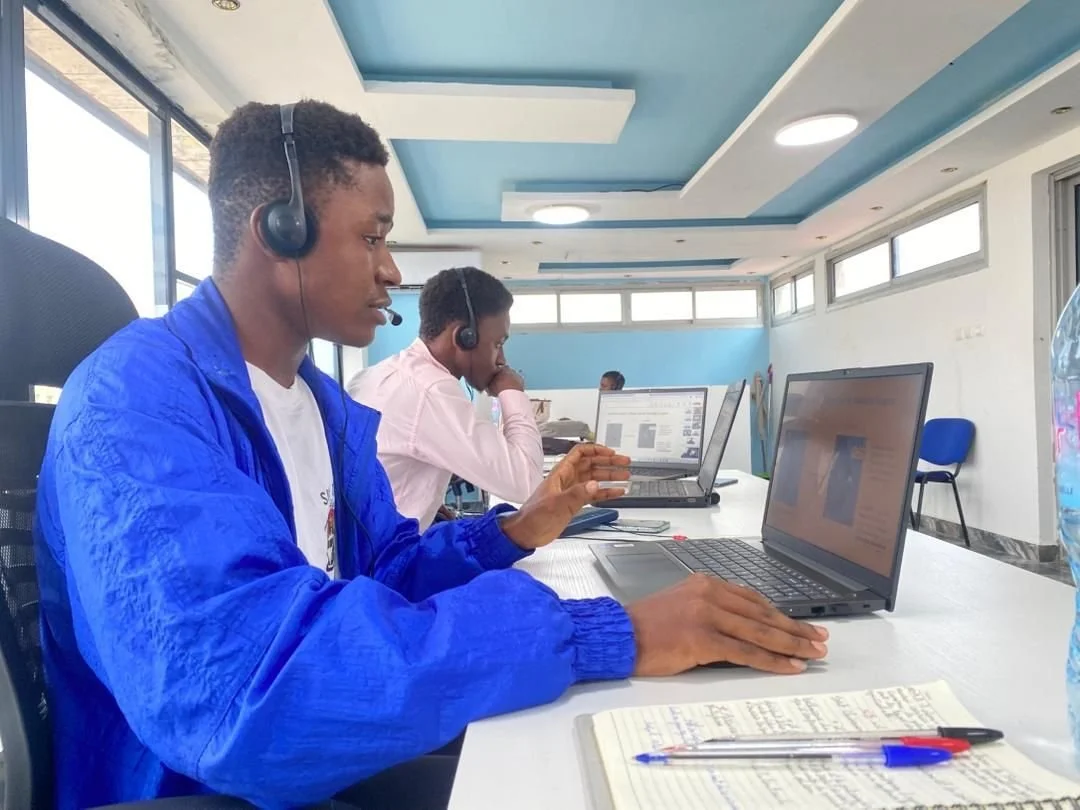
Sazience Technology has highlighted the outcome of a recent healthcare-focused hackathon delivered through its training arm, Sazience Technology Academy, in collaboration with the MIT African Graduate Association.
The update was shared via LinkedIn, where Sazience Technology outlined work completed by Group 1 during the MIT African Graduate Association x Sazience Technology Academy Hackathon. The project focused on how artificial intelligence could assist clinicians in interpreting medical images more quickly, particularly in environments where specialist access is limited.
Sazience Technology operates across the Middle East and Africa, delivering digital transformation services and applied technology training. Its Academy focuses on hands-on learning, with an emphasis on applied AI and real-world problem solving.
Hackathon focuses on diagnostic bottlenecks
According to the LinkedIn post, the student team targeted delays in medical image interpretation, citing time-intensive review processes, limited availability of specialists, and challenges faced by general practitioners who often lack immediate expert support.
Sazience Technology wrote that the project centered on “one of the most critical challenges in healthcare: medical image interpretation,” with a specific focus on African healthcare settings.
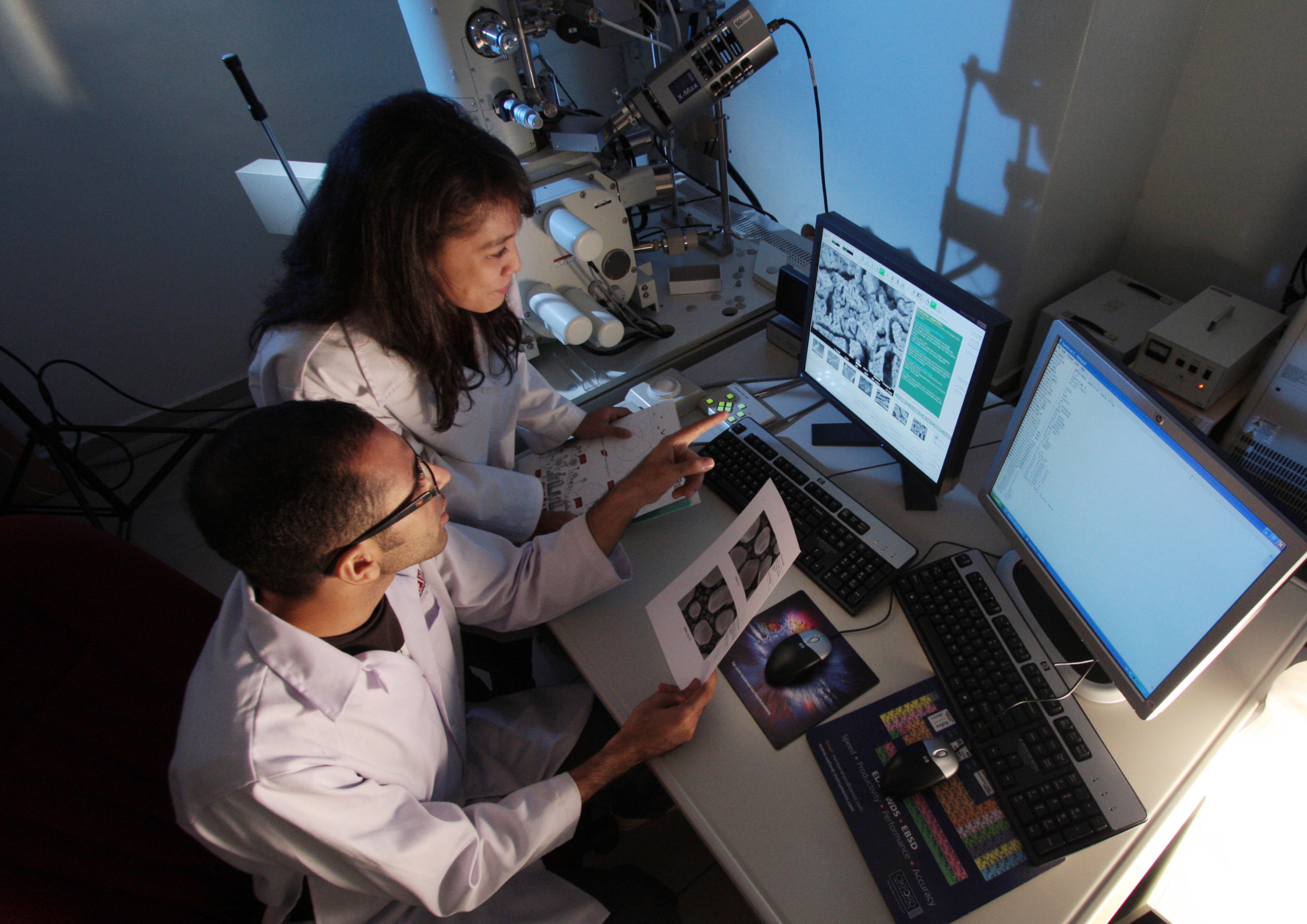
The team developed a supervised machine learning system trained on hundreds of labeled medical images. The system analyzes clinical images and produces probable diagnostic indications designed to support faster and more informed referral decisions.
Sazience Technology wrote that the system is intended to “assist general practitioners in understanding what may be happening in an image, enabling faster and more informed referral,” while also helping specialists reduce the time required to review and interpret cases.
The post notes that the model was built to perform across images of variable quality and to generate structured, interpretable outputs suitable for lightweight clinical workflows.
Positioned as decision support, not diagnosis
The LinkedIn update is explicit that the system is not designed to replace clinicians or act as an automated diagnostic authority. Sazience Technology stated, “The system does not replace clinicians. It augments clinical judgment by accelerating image analysis and helping ensure that critical cases are identified and referred more efficiently.”
The project was developed as part of the Academy’s applied training model, which aims to move students beyond theory and into practical implementation aligned with real clinical needs.
ETIH Innovation Awards 2026

The ETIH Innovation Awards 2026 are now open and recognize education technology organizations delivering measurable impact across K–12, higher education, and lifelong learning. The awards are open to entries from the UK, the Americas, and internationally, with submissions assessed on evidence of outcomes and real-world application.