Oxford pays tribute to pioneering engineer Professor Malcolm McCulloch
The engineer, teacher, and sustainable energy researcher is remembered for his work with students, colleagues, and university spinouts.
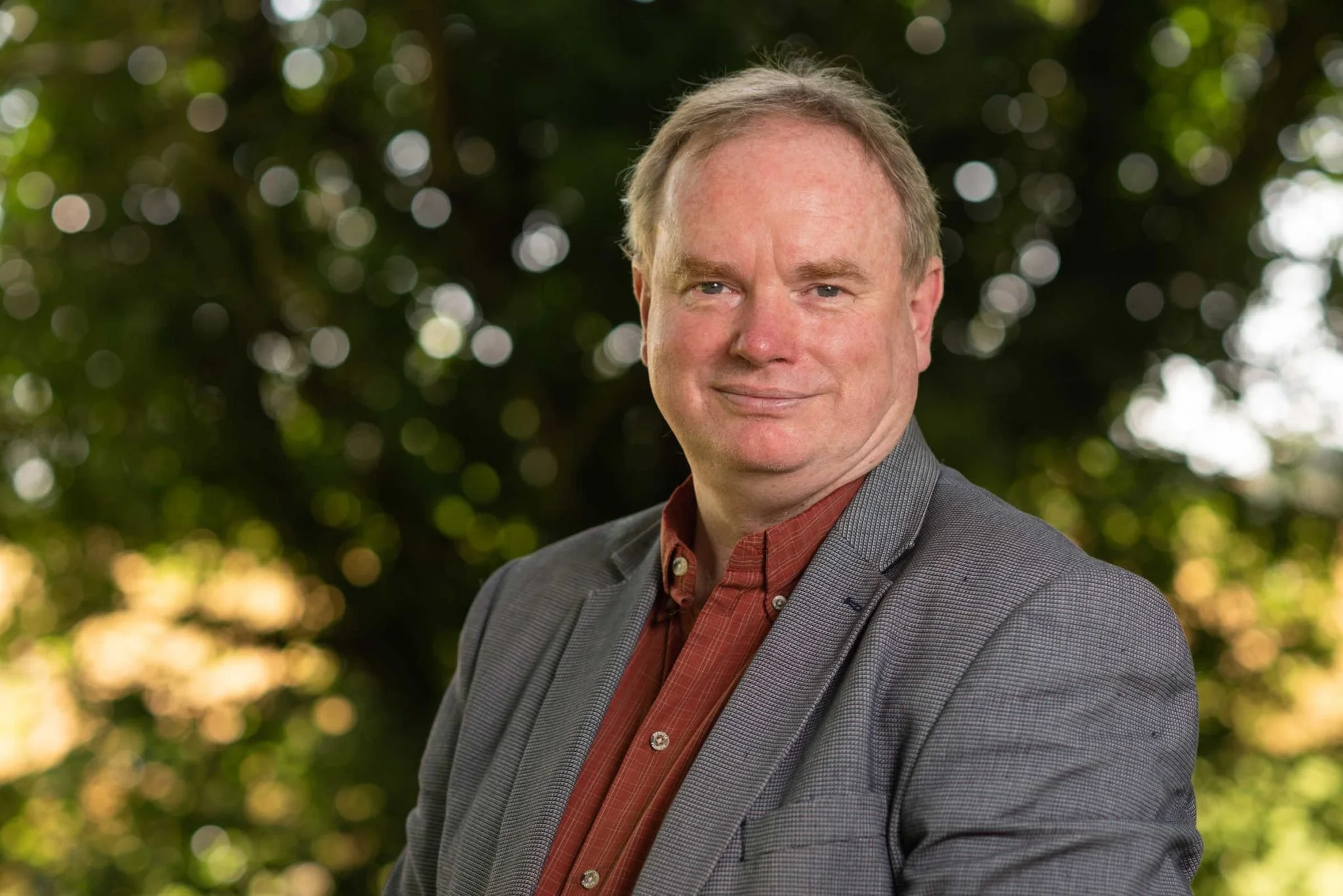
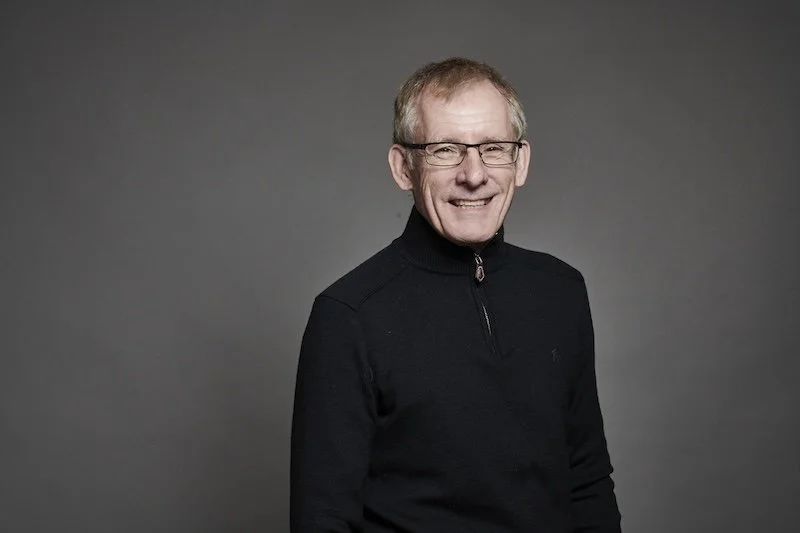
The University of Oxford has paid tribute to Professor Malcolm McCulloch following his death on June 12. Photo credit: Oxford University
The University of Oxford has announced that Professor Malcolm McCulloch, an engineer, sustainable energy researcher, and teacher in its Department of Engineering Science, died on Friday, June 12, after a period of illness.
McCulloch founded and led the Department of Engineering Science’s Energy and Power Group for more than three decades. He was also Professor of Energy Systems and a Tutorial Fellow in Engineering at Christ Church.
His research focused on improving access to sustainable energy in developing countries and integrating renewable energy into established electricity systems. He produced more than 300 publications and received over 13,000 citations during his career.
McCulloch and his research group also worked to move engineering research from laboratories into commercial and practical applications. Their work contributed to multiple university spinouts, the development of the first hydrogen-powered sports car, and advances in lightweight electric motor technology.
The University has published tributes from colleagues who worked with McCulloch across engineering research, teaching, energy policy, and postgraduate education.
Clean energy research led to spinouts and new technologies
McCulloch approached climate change and energy inequality through engineering projects designed to produce measurable outcomes.
His work examined how renewable energy could be integrated into existing electricity systems and how sustainable power technologies could be deployed in countries where access to energy remained limited.
Research conducted through the Energy and Power Group led to multiple spinout businesses, including electric motor company YASA Motors.
Professor of Engineering Science David Howey says: "Malcolm pioneered clean energy research in the department, including co-founding several spinout companies such as YASA motors. Malcolm was a big part of the reason that I ended up coming to Oxford at all and took me under his wing when I first arrived. Countless students, researchers and colleagues were inspired by his creativity and warmth. We will miss him hugely".
McCulloch’s research group also contributed to the development of a hydrogen-powered sports car and technologies designed to improve the weight and efficiency of electric motors.
Alongside his work within the Department of Engineering Science, McCulloch held roles connected with several University of Oxford energy programs and institutes.
He served as Co-Director of the Institute for Carbon and Energy Reduction in Transport at the Oxford Martin School between 2008 and 2013.
McCulloch also contributed to the development of the University’s ZERO Institute, which works across zero-carbon energy systems and infrastructure, and to the MSc in Energy Systems.
Teaching remained central throughout his career
McCulloch taught generations of engineering students through the Department of Engineering Science and Christ Church.
As a Tutorial Fellow, he combined research and institutional leadership with small-group teaching, student supervision, admissions work, and support for engineering activities at the college.
Deputy Head of Department Professor Richard Willden says: "I had the pleasure of teaching with Malcolm in Christ Church for 19 years. He was always a popular tutor who inspired interest and will be sorely missed. There were many memorable occasions over the years with highlights including admissions interviews that entered delightful wormhole conversations, celebrating student successes, to the annual Christ Church Engineering BBQ.
“This event was the highlight of the college engineering calendar, at which Malcolm demonstrated his South African prowess as he managed three BBQs at once, producing a platter that would make any South African proud".
McCulloch also contributed to decisions concerning sustainability and the management of Christ Church’s buildings, estate, and resources.
His work on the MSc in Energy Systems included responsibility for teaching modules and supervising postgraduate dissertations.
Professor David Wallom says: "Malcolm's exceptional commitment to the next generation was clear throughout our time working together on the MSc in Energy Systems. As module leader, where he inspired through his clear commitment to energy decarbonisation in the developed and developing world and his talent to enthuse through teaching.
“As a dissertation supervisor, where he supported the individual personal development of so many of our alumni, often supervising more in a year than he should but always ensuring they are able to fulfill their potential. He will be sorely missed by all of us. As one of our alumni said, 'You once said the most effective thing left for you to fight climate change is teaching us. We will make you proud'".
Oxford colleagues remember his support for students and researchers
The University’s tribute describes McCulloch as a researcher who combined technical work with sustained support for students, early-career academics, and collaborators.
His leadership of the Energy and Power Group placed him at the center of Oxford’s work on electricity systems, renewable energy, transport, and engineering commercialization for more than 30 years.
Colleagues also credited McCulloch with encouraging researchers to pursue practical applications for their work and helping students develop careers across engineering, energy, and research.
His university roles connected teaching, research, spinout creation, sustainability policy, and postgraduate training across the Department of Engineering Science, Christ Church, the Oxford Martin School, and the ZERO Institute.
The Department of Engineering Science has extended its condolences to McCulloch’s family and loved ones. Its tribute records the impact of his work on students, researchers, alumni, and collaborators across Oxford and the wider engineering community.