OpenAI backs California youth AI safety bill requiring age checks, audits and parental controls
SB 1119 would create a specific framework for teenagers using AI, covering harmful content, crisis support, personal data and parental controls while preserving access to educational features

California’s SB 1119 would introduce age-specific safeguards for teenagers using AI while preserving access to educational features
California is moving toward a dedicated set of rules for how teenagers use AI, with Senate Bill 1119 setting out requirements for age checks, independent safety audits, parental controls and protections against harmful or high-risk interactions.
OpenAI has now publicly backed the legislation and is urging Governor Gavin Newsom to sign it into law. The bill is designed specifically around AI rather than treating the technology in the same way as social media. For users identified as ages 13 to 17, its protections would apply automatically.
Among its key requirements, AI providers would have to determine a user’s age, identify and address safety risks before making products available to young people, undergo independent audits and protect teenagers from harmful content including self-harm, sexually exploitative material and other high-risk interactions.
Providers would also be expected to give parents tools to manage and limit their children’s use, connect young people with crisis-support resources when serious risks emerge, restrict targeted advertising and protect personal information. OpenAI says those requirements broadly match the direction it has taken with ChatGPT for Teens.
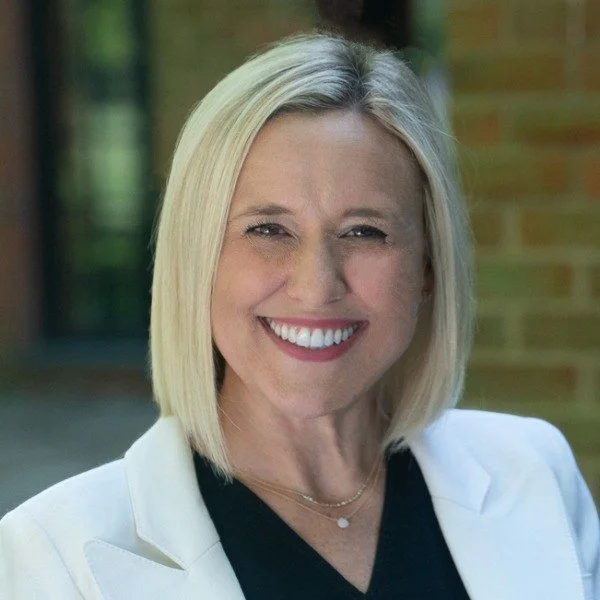
“In the absence of federal action, California has an opportunity to set a strong standard for youth AI safety,” Ann O’Leary, OpenAI’s VP of Global Policy, says.
California is separating AI from social media regulation
SB 1119 is progressing as California also considers a separate bill aimed at social media platforms used by children under 16.
AB 1709, approved by the state Legislature on August 31, targets design features including infinite feeds and autoplay that are intended to drive prolonged engagement.
SB 1119 takes a different approach. Rather than restricting teenagers’ access to AI tools, it sets conditions around how those systems should operate when they know or estimate that a user is under 18.
OpenAI has made that separation central to its support. “SB 1119 also appropriately recognizes that AI is not social media,” the company states.
The company says nearly nine in ten teenagers who use ChatGPT turn to it for learning, information, skill-building or productivity during a given week. That figure comes from OpenAI rather than an independent dataset.
Its argument is that regulation should preserve those uses while applying stronger default protections to young people. For students, that means educational features such as Study mode, Quizzes and Learning Visualizations could remain available under the framework. ChatGPT for Teens applies additional safeguards around self-harm, graphic content, dangerous activities, body image and romantic or sexual interactions.
If OpenAI’s systems estimate that someone is under 18, or a user states that they are between 13 and 17, they are automatically placed into the teen experience. The company says those protections form part of the baseline product rather than settings teenagers can turn off.
Memory is specifically protected under the bill
One of the more detailed policy questions in SB 1119 concerns AI memory. ChatGPT’s memory feature allows the system to use relevant details from previous conversations when responding later. OpenAI argues that this can be useful for education. A student preparing for an exam, for example, can continue working through concepts covered in earlier conversations rather than beginning again each time.
The company also says previous conversational context can support safety responses. A request that appears routine on its own may require a different response if it follows repeated signs of acute distress or harmful intent. OpenAI says that context can help ChatGPT de-escalate an interaction, direct a teenager toward real-world support and, in some high-risk circumstances, trigger parental notifications.
SB 1119 is structured to preserve what OpenAI describes as responsible uses of memory rather than preventing the feature from being used with teenagers.
Users can still review, delete or disable memory and use Temporary Chat. OpenAI also says the additional protections within ChatGPT for Teens remain in place whether memory is turned on or off.
Newsom now has the decision
OpenAI’s backing adds a major AI provider to the groups supporting a California framework built around mandatory protections rather than an outright restriction on teen access.
The company has previously introduced parental controls, age prediction, a Teen Safety Blueprint and under-18 rules within its Model Spec governing how its models are intended to behave.
SB 1119 would move some of the same principles into legislation, creating requirements that apply at state level rather than leaving youth protections entirely to individual AI companies.
OpenAI Global Affairs framed its position on LinkedIn in straightforward terms: “Teen safety and teen opportunity aren't competing goals. The right approach is to advance them together.”
California is therefore considering two different regulatory models for technologies widely used by young people: limiting engagement-driven features on social media through AB 1709, while setting age-specific safeguards around continued AI access through SB 1119.
Newsom has until September 30 to decide whether to sign or veto legislation passed by the state Legislature.